































drift right guide for precision players
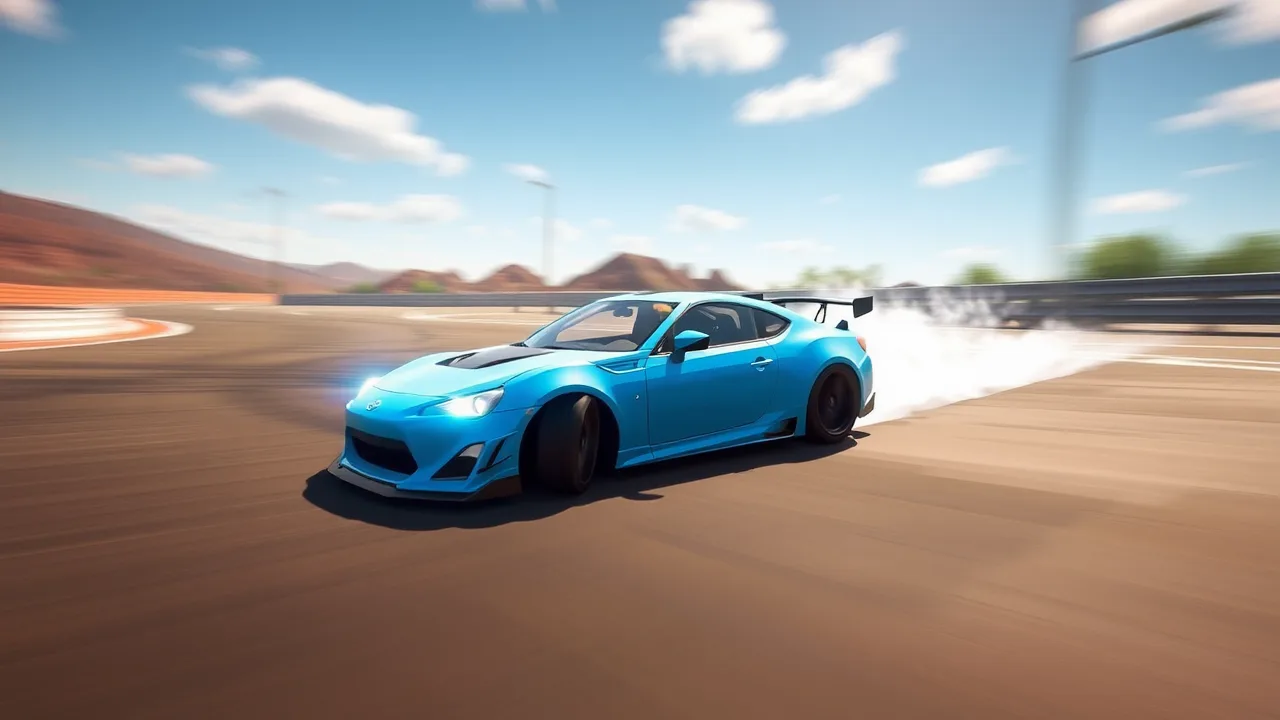
drift right is that clean, snappy loop where timing beats horsepower. It’s a minimalist driver’s test: steer with intent, manage angle, and chain perfect slides. Think of it as the browser version of fingertip car control. If you’re new to the language of sideways grip, the term drifting covers the core idea: deliberately breaking traction to carve corners while staying composed. The magic isn’t top speed, it’s rhythm. Early runs are all about reading the turn radius, feathering input, and spotting the moment where a tiny correction saves a long combo. As you climb, that same discipline scales into score, style, and consistency. Because it’s web-based, sessions are quick to start and easy to reset, perfect for “one more try” improvement. You’ll feel it when it clicks: the car pivots, you hold the slide, the track opens up, and your brain goes quiet. Simple rules, deep mastery.
🎮 Core gameplay loop of drift right
Every round starts the same: get rolling, commit to a drift, correct without panic, and string corners. The loop is basically three beats. One: initiate with a gentle input. Two: stabilize the angle by pulsing steer rather than yanking. Three: exit clean so you’re set up for the next turn. Miss any beat and you’re either straightening too soon or spinning out. The secret sauce is consistency. Micro-corrections keep the nose aimed and the rear happy. Watch the road’s curvature and pre-load your inputs before the corner bites. Long-term improvement comes from rhythm training: aim for three, then five, then ten perfect links. If a section ruins you, isolate it and grind. The feedback is instant, which means you can iterate fast. Score is nice, but flow is the goal. Nail the loop and every other mechanic falls into place.
❓ What is drift right? A gamer’s definition
It’s a browser drift challenge built around one core constraint: commit to predictable arcs and manage them with tiny adjustments. Unlike open-world racers or sim-heavy drift sandboxes, drift right strips out garage bloat and throws you straight into execution. No car collecting. No parts headache. Just you versus geometry. The rules are simple: don’t clip edges, don’t over-rotate, keep the slide alive. It’s closer to a rhythm game wearing racing clothes than a full sim. If you vibe with high-score chases, clean inputs, and skill that scales without grind, this is your lane. Compared to “bigger” racers, the difference is pacing: there’s zero downtime between attempts, so learning compounds quickly. You’ll be surprised how much technique fits into a one-minute session. The ceiling is real too: at higher speeds, only disciplined inputs keep you alive. Easy to try, hard to perfect.
⚙️ Game physics and movement model in drift right
Physics here are arcade-leaning but consistent. Momentum matters, grip is forgiving, and weight transfer is readable. Inputs have a small buffer so taps feel intentional, not twitchy. The car pivots around a stable center, which makes angle recovery doable if you react early. Oversteer builds fast if you spam, so think “pulse and place” rather than “hold and hope.” Corner radii telegraph your next move: tighter arcs want earlier, shorter inputs; wider sweepers reward a longer, smoother hold. Exit speed is earned by releasing angle before the straight, not after. The game doesn’t bury you under tire temps or aero nonsense; it gives you a predictable canvas so your muscle memory can cook. Once you respect inertia and learn to pre-aim the chassis, the car feels like it’s on a rail you control with timing. Clean physics, honest punishments, fair rewards.
🕹️ Best keybinds and button maps for drift right
Keep it simple. On keyboard, bind steer to left/right arrows or A/D, and leave throttle on up arrow or W. Avoid stacking drift and steer on weird macros; you want clarity, not convenience. If the game supports controller, map steer to the left stick and keep sensitivity low to reduce snappy over-inputs. Deadzone should be tiny so micro-nudges register, but not zero to avoid drift creep. Turn off any motion blur that hides edge detail. If there’s a camera distance slider, nudge it back until you see both apex and exit. Audio on, music down a notch so tire scrub cues pop. The golden rule: every control should have one job. When you miss, it must be obvious whether the fault was timing, angle, or throttle. That’s how you edit habits fast and lock in correct muscle memory.
🌐 One click start: launch drift right with no download
This is pure browser gaming. Open the tab, load quick, drive. No installers, no drivers, no hoops. That’s perfect for school breaks or office cooldowns where you need a stealthy minute of focus. If your machine is older, close heavy apps and keep one tab. WebGL runs cleaner when RAM isn’t getting bullied. Fullscreen if you can, but windowed is fine if it keeps frames stable. On spotty Wi-Fi, let assets cache once and you’re good. If your arrow keys are shared with system shortcuts, flip those off in OS settings. Cloud sync isn’t required; this is session-based fun that respects your time. If you want to share a run, screen-record and drop it in your group chat. Zero friction, max reps. That accessibility is the point: more tries equals more skill, fast.
🚀 Fast fun: low time commitment in drift right
Sessions are snackable. Two minutes gets you legit practice, ten minutes is a real climb, half an hour feels like a training block. That cadence makes it perfect between tasks or while your download bar crawls. The dopamine is honest too: when you improve, it’s because your hands learned. No gear crutches, no pay-to-win bumps. You can literally see the curve of your progress in longer link chains and calmer hands. Because there’s so little setup, the ratio of play to wait time is elite. That’s why this style endures: it respects your schedule while still offering depth. Put it in your daily rotation as a focus primer or as a cooldown after sweatier games. You’ll come back tomorrow, and you’ll be better, because this loop trains precision, patience, and poise.
📘 Early objectives: what to do first in drift right
Start slow. Your first objective isn’t score, it’s stability. Learn the car’s bite point: the exact tap length that sets a safe angle without whipping you. Next, pick a corner you always flub and lab it until it’s boring. When you feel panic, pause, breathe, and restart before the bad habit locks in. Build a three-turn routine you can execute blindfolded. That’s your warm-up each session. Then add one new turn and protect the routine. If you’re clipping edges, you’re entering too hot or correcting too late. Soften the input, or initiate earlier. Record a run and watch your hands; timing fixes 80 percent of problems. Last, set tiny goals: five linked turns today, seven tomorrow. Small wins stack. Keep it tidy and the big scores show up on their own.
🔥 Similar games for drift right
Below are five on-site picks that hit similar drift vibes. Each one keeps the focus on angle control, clean loops, and repeatable practice.
Drift Boss
This one is the classic “edge of the platform” drifter where timing is everything. You’re threading needle-thin lanes and committing to turns with no guardrails, which sharpens your discipline for any precision drift title. The early game is about resisting greedy inputs; you push too hard and it’s a clean fall. Midgame introduces faster rhythms that feel like a metronome for your hands. Customize your mental pacing: count beats out loud if it helps. Somewhere in the middle of your run, drop into Drift Boss and you’ll immediately feel why it’s a staple. Use it as a daily consistency check. A few clean chains here translate directly back to better lines and safer exits in your main grind.
Nitro Car Drift
If you want that extra spice, Nitro Car Drift layers speed pressure onto your angle decisions. It’s fast enough to expose sloppy habits but forgiving enough to teach fixes. Practice early initiation to keep exits tidy, then feather throttle to hold line without washing wide. Focus on reading track camber and commit to smooth inputs rather than spammy corrections. Right in the middle of a training block, hop into Nitro Car Drift to stress-test your rhythm under higher pace. Treat off-track moments as data, not failure. The point is controlled exposure: make the game reveal your weak links, then go patch them. Come back to your main runs and watch your confidence rise.
Xtreme Drift 2 Online
This pick gives you bigger environments and longer arcs, which is perfect for practicing sustained slides and angle management across changing radii. It rewards reading the road ahead and setting your chassis before the corner rather than mid-turn. Try pacing laps and timing your inputs to visual landmarks. Mid-paragraph moment to click into Xtreme Drift 2 Online and lab those long holds that tighten at exit. You’ll learn to release angle sooner than you think so you’re straight when the straight arrives. That habit alone is a game changer back in tighter, arcade-leaning modes where exit speed dictates the next section.
GTR Drift Fever
Looking for a little heat with cops on your tail. GTR Drift Fever mixes pressure with points, forcing clean lines even while you’re being chased. It’s brilliant for composure training: if you can drift under stress, you can drift anywhere. Build a loop where you alternate calm practice runs with one or two “hot” chases. Somewhere mid-thought, jump into GTR Drift Fever and set a target score you must hit before you quit. The pursuit vibe sharpens decision making and punishes greed in a way that sticks. Transfer that mental control back to normal sessions and you’ll notice fewer panic taps and cleaner exits.
Real Drift Super Cars Race
For a more robust playground, Real Drift Super Cars Race offers variety in cars and tracks, which is perfect for cross-training. Swap vehicles to feel how weight and grip shift your timing. Short, technical layouts teach snap control, while wider circuits build long-form patience. The sweet spot is running three steady laps without messy saves. In the middle of your routine, open Real Drift Super Cars Race and commit to clean, repeatable lines. Track your own “no correction” segments and celebrate progress when those segments grow. That consistency transfers cleanly to minimalist drifters where one micro-mistake ends the run.