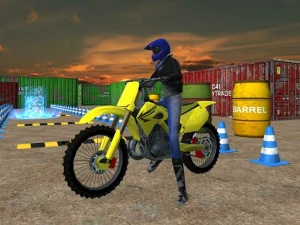
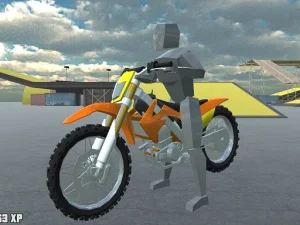
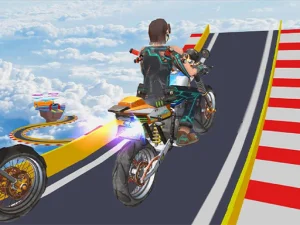
Learn the bike in Motorcycle Stunt Racing
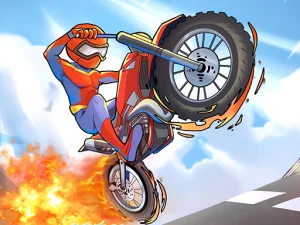
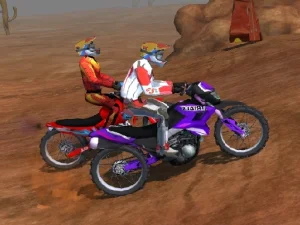
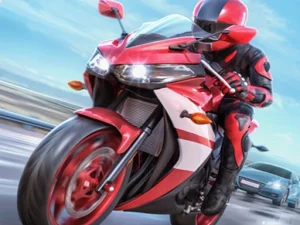
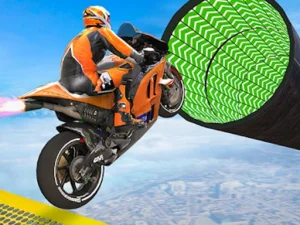
Motorcycle Stunt Racing combines AI bike races with obstacle courses and high-speed tracks. The documented driving input is WASD, with Shift providing nitro. The supplier describes opportunities to unlock bikes with increased power and performance as you progress. Begin with the selected bike's response rather than planning around an unlock you do not yet have.
Give an opening run a clear purpose: learn how a measured input changes the approach to a course feature. Watch where the bike arrives after the action, not only how it begins moving. The useful result is a position from which you can read and attempt the following section.
Plan the exit as well as the entry
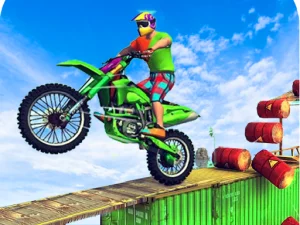
An obstacle is part of a route, not an isolated image to reach at any cost. Identify the position you want after passing it and consider how the entry will affect that position. A hurried approach may clear the immediate feature while leaving the bike poorly directed for what follows.
Look ahead far enough to recognise the next decision. If the line becomes uncertain, revise the approach before relying on extra speed to carry you through. The course provides feedback about both direction and timing. Use that feedback to make a particular section more dependable instead of treating every retry as a demand for a more aggressive run.
Use nitro when the route gives it a purpose
Shift activates the documented nitro function. Extra pace is easier to assess when you already understand the next passage and can see where it should leave you. Adding speed while making a large correction creates two problems to interpret at once: the line and the faster arrival.
During an overtaking opportunity, inspect the space beyond the rival as well as the gap beside it. An immediate opening does not establish that the following route remains comfortable. Decide where the bike should be after the pass and use the available movement accordingly. Keep attention on the course rather than only on the opponent you want to overtake.
Compare attempts before changing everything
Keep a familiar bike and section while studying an awkward approach. Change one decision and watch the result. If you switch vehicle, route and timing together, a better run may be difficult to repeat because you do not know which change mattered. A small improvement you can explain is a stronger basis for another attempt.
When more bikes become available, read their current information in the game. The general promise of increased power or performance does not establish an exact purchase order or a universally best vehicle. Choose a change that addresses something you have actually noticed during the ride.
Read additional controls from the selected title
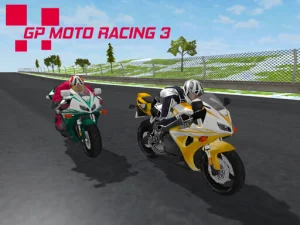
The confirmed overview gives driving and nitro inputs. Follow the live interface for anything else rather than inventing a trick key, a reset shortcut or a scoring formula. A similarly named motorcycle release can use a different setup, so check again when moving to another game in the collection.
Choose a manageable goal for a session, such as a clearer exit from one obstacle or a better-planned overtake. Learn the ordinary movement before combining every action. The motorcycle tag becomes more useful when it leads to a riding task you understand and a route whose feedback helps you make the next decision more precise.