


From Classic Slots to Crash Games: What's Inside a Modern Sweepstakes Casino?
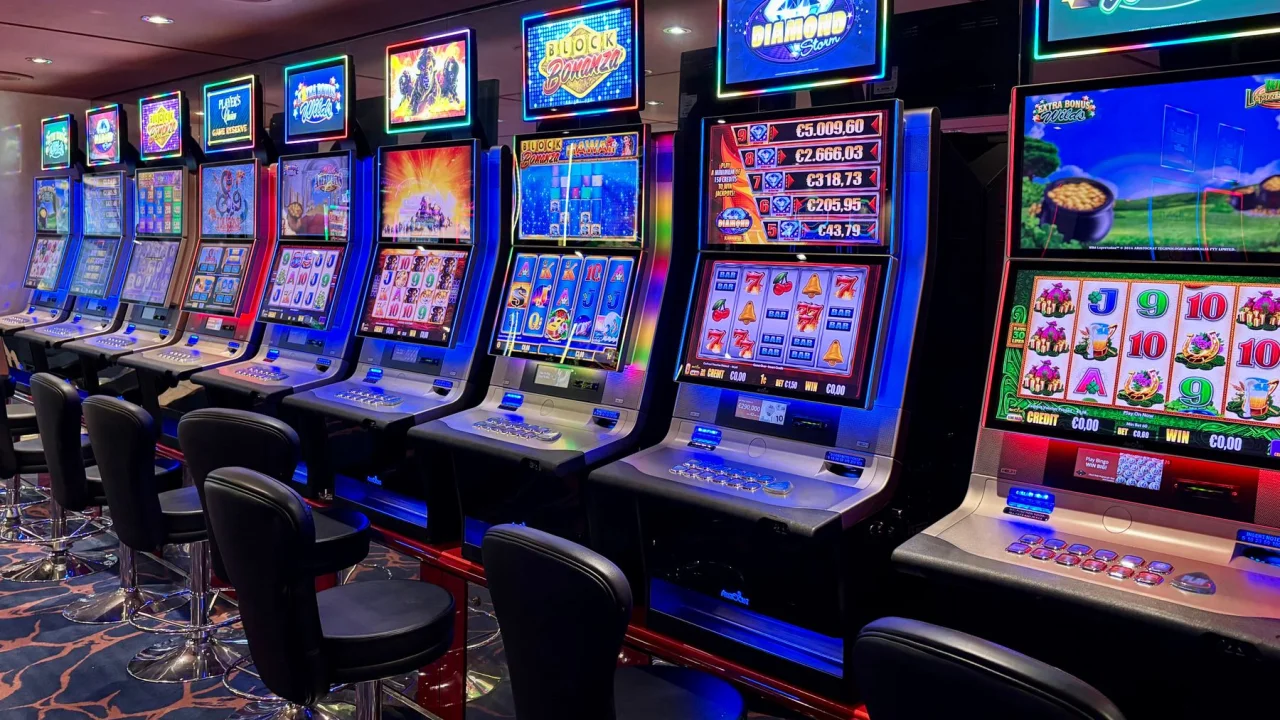
A three-reel slot flashes cherries and sevens. Open the game beside it and a rocket is climbing past a 2.00x multiplier, with a cash-out button that might become useless a second later. Plinko has neither reels nor rockets. It gives you a ball, a board of pegs and a set of landing slots. It's an odd combination to find in one sweepstakes casino lobby, even when all three games share a coin balance. They may look related, but playing them is another matter.
The Familiar Appeal of Classic Slots
The old fruit-machine format hasn't gone anywhere. Three reels spin, stop and show a row of symbols, with little explanation needed.
Video slots give developers much more room. One might have five reels and fixed paylines; another pays when symbols appear on consecutive reels, even if they don't line up in the same row. In a cascading game, winning symbols disappear and others drop into their places. Sometimes a bonus feature changes the layout altogether. The artwork rarely tells you which rules you're getting.
Game selection varies considerably between platforms. Covers, a sports and gaming publication, compares operators in its list of sweepstakes casinos, covering available game categories, coin systems and redemption conditions. Some platforms focus primarily on slots, while others offer a wider mix of crash games, Plinko, blackjack and live-dealer tables.
Two plain-looking slots can also have different mathematics. A published return-to-player percentage is a theoretical long-run figure, not a prediction for a particular session. That distinction gets lost easily when a machine is busy celebrating a small win with flashing lights.
Crash Games Turn Timing Into the Main Event
A multiplier starts at 1.00x and begins climbing. At 1.40x, there's a choice: cash out now or wait. Suppose it reaches 1.85x and the player stays in. The round might climb above 3.00x, or it might crash at 1.86x. One extra second makes the difference.
Some games let players set an automatic cash-out point before a round begins. Choose 1.50x and the game settles there if the multiplier reaches it. A crash at 1.49x still means the entry loses. The setting saves a click; it doesn't improve the underlying odds. Unlike a slot's spin button, cash-out remains a decision after the round begins.
The format looks at home beside arcade games. A rocket races upward, a line traces the multiplier or a character runs toward an approaching obstacle. A round builds quickly, then ends abruptly. You don't need to know poker hands or remember what five symbols pay. But the comparison has limits. In a platformer, learning when to jump can make you better at the next attempt. A crash game's stopping point isn't something a player can learn to anticipate from practice, when outcomes are independently generated. Those panels showing previous multipliers may look like useful clues. They aren't a timetable. Five low crashes don't make a high one due, and somebody cashing out at exactly the right moment in one round may miss completely in the next.
Plinko, Mines and the Games Between Genres
A Plinko board is almost entirely about watching. Drop the ball, follow its ricochets through the pegs and see which pocket catches it. The site's guide to Plinko-style browser games covers the pegboard and its quick rounds. Some versions allow a choice of drop position. Casino versions may borrow that look, but the multipliers and rules depend on the title. A high-value pocket at the edge of the board doesn't tell you how likely the ball is to reach it.
Mines does something more mischievous with its design. It borrows the covered-square grid of a puzzle game. Pick one square, then another, and decide whether to stop before revealing a hazard. Unlike Minesweeper, though, there's generally no numbered clue that lets you reason your way toward a safe tile. More hidden mines alter the odds, not the quality of your detective work.
Both games are easy to operate on a phone: a tap to drop the ball, another to uncover a square. The Entertainment Software Association's 2025 Global Power of Play research found that 55% of weekly video game players surveyed across 21 countries played on mobile devices. That measures video gaming generally, not sweepstakes casinos, but the design logic is clear on a phone screen.
Scratch cards take simplicity further. Their rubbing or tapping animation typically reveals an outcome already decided by the game. Plinko lets you watch a result unfold; Mines hides it under a square; a scratch card covers it in silver-colored pixels. What changes is how the result appears.
Traditional Tables Still Have Their Place
Roulette and blackjack ask for a different sort of attention. A roulette bet is placed before the wheel settles; blackjack involves decisions to hit or stand that affect the probabilities. Even roulette wheels aren't interchangeable: an American wheel has a zero and double zero, whereas a European wheel has only one zero. That extra pocket changes the house edge, despite both versions looking nearly identical in motion. Some platforms also have live-dealer tables, where a streamed host deals cards or spins the wheel. They're a slower experience than dropping a Plinko ball.
One Lobby, Two Different Types of Coins
Above the games, a small currency selector can be more important than the artwork. Sweepstakes casinos commonly separate Gold Coins, used for entertainment play, from Sweeps Coins that may qualify for prize redemption under an operator's rules. The same slot may appear in both modes, with different eligibility conditions.
A survey commissioned by the American Gaming Association, a trade group representing regulated gambling companies, sheds light on why the coin label matters. In June 2025 polling, 68% of surveyed sweepstakes casino users said their main reason for playing was to win real money. Prize redemption may involve identity checks, minimum thresholds and restrictions based on state or location. Sweepstakes promotions generally provide a free method of entry, although the process and eligibility requirements vary between operators. Players should also check whether the sweepstakes model is permitted in their state, since some jurisdictions have prohibited or restricted these platforms.
Someone can leave a Plinko round, change the coin mode and reopen what appears to be precisely the same board. The ball still tumbles through the same pegs. Up in the corner, though, the currency label is different.
What Matters Beyond the Game Selection
A modern sweepstakes casino can offer everything from traditional slot machines to fast-paced crash games and interactive formats such as Mines and Plinko. Yet the differences go beyond animation and gameplay speed. Each title has its own rules, probabilities and potential outcomes.
The platform itself matters just as much as the games it offers. Coin systems, prize redemption requirements, geographic restrictions and game availability can vary considerably between operators. Understanding those differences is essential before choosing where and how to play.
A large game library may look impressive, but knowing what each game offers and how the platform operates provides a much clearer picture of the overall experience.