































How Blackjack Algorithms Simulate Shuffling and Card Distribution Online
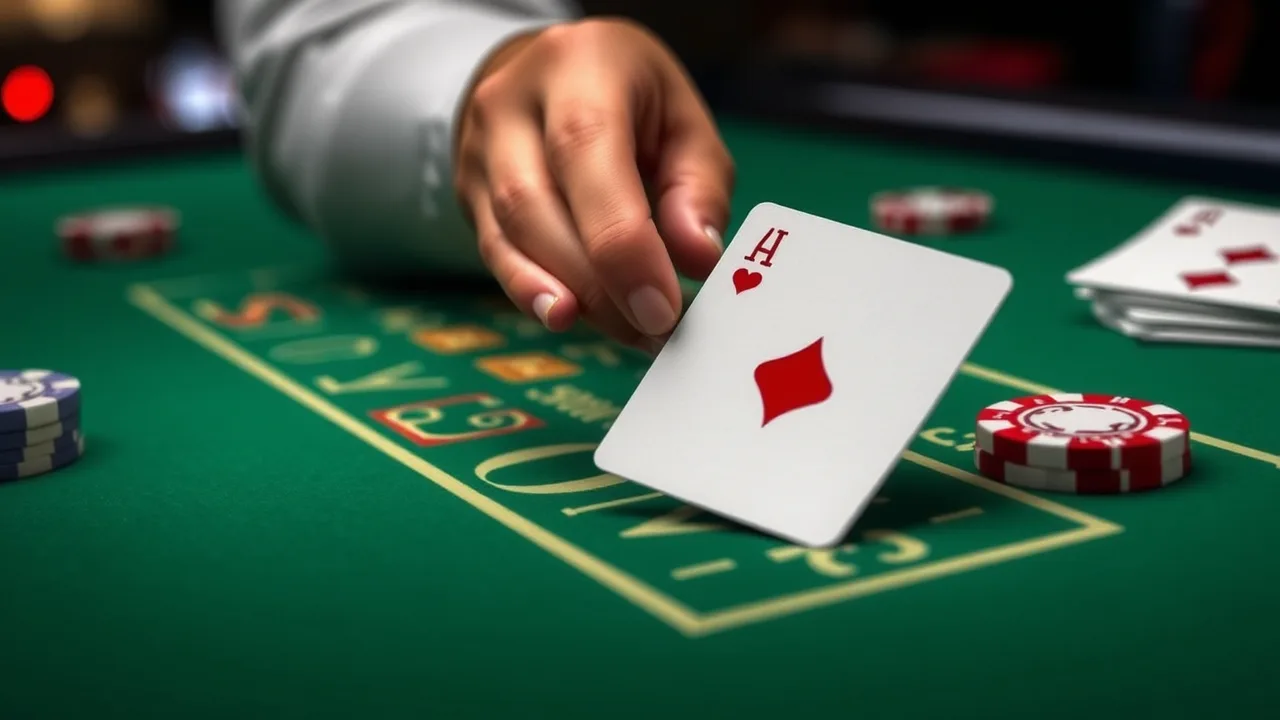
How randomness is generated
Platforms rely on random number generators that produce bits (the smallest units of digital data — shown as 0 or 1) derived from a secure, secret seed (an initial unpredictable value).Modern blackjack sites use cryptographic random number generators. The aim is straightforward: even if someone records long runs of outputs, they still should not deduce or forecast future results.
Engines typically gather unpredictable data (entropy), fold it into their internal state, and use it to generate extended sequences of random values. Robust designs reseed periodically and whenever enough fresh entropy appears. That approach significantly lowers exposure if any single component fails or becomes compromised.
Why cryptographic strength matters
A speedy, non-cryptographic generator might clear basic statistical checks yet still reveal structure. Card games give determined players time to observe long sequences and hunt correlations. Cryptographic generators defend against such inference. They also reduce damage if an attacker learns some outputs. Without insight into the hidden state and reseeding cadence, predicting future values becomes genuinely impractical for adversaries.
In blackjack, the shoe is a container holding multiple decks of cards, allowing the dealer to draw without reshuffling too frequently. To mirror this in software, the program constructs a digital shoe as a list (array) of numbers. Each number denotes a single specific card, associated with both its rank and its suit, used at the table.
For instance, if the game employs eight decks, the array holds 416 numbers in total. The system may also encode elements like the cut card (marking where the shoe ends), burn cards (removed before play starts), and penetration rules (how far into the shoe the game proceeds before reshuffling). Operations such as comparisons or swaps act on these numeric values instead of text labels, which keeps the process quicker and less error-prone overall and safer.
How shuffling is simulated
Most platforms use the Fisher Yates shuffle. It’s simple and mathematically fair when driven by uniform integers (whole numbers picked at random). That ensures every permutation is equally likely, truly.
Some systems implement a riffle model, simulating a deck split into two halves and interleaving the cards, much like a traditional hand shuffle seen at tables or in casinos. This aesthetic is used for realism on livestreams, yet platforms still rely on Fisher Yates, or equivalents, to guarantee uniformity.
Dealing cards to players and the dealer
After the shoe is shuffled, dealing becomes straightforward. The engine tracks a pointer to the current top card. Each time a card is dispensed, that pointer advances by one. No replacement occurs. Table rules dictate the distribution order across seats and dealer. Typically, the game deals one face-up card to each seated position, then one to the dealer, then repeats for the second round, with the dealer taking a hole card where applicable. Procedures vary slightly between regional rule sets.
Preventing bias when mapping random values
When code consumes random numbers from a generator, it often must convert them into card positions or other discrete choices. It must guarantee each option remains equally likely. If the program simply divides a raw value by the number of choices, tiny biases can creep in, because the generator’s range may not divide cleanly. Even small bias might grant one position a slightly higher chance than another over many repeated trials.
To avoid that, developers apply a technique called “rejection sampling”. If a random value falls into the leftover range that would skew odds, the program rejects it and pulls another, looping until fair value maps to choices.
Certification and oversight
Reputable operators submit their games to independent labs like eCOGRA or iTech Labs. Regulators in licensed markets mandate this process before a title goes live. Periodic retesting verifies that updates have not altered shuffle logic or the generator’s behavior. Public certificates document which version passed evaluation, enabling players and affiliates to confirm details and reference the exact build tested.
Live dealer games and physical shuffling
Live dealer blackjack uses physical cards on camera. Nevertheless, platform software still tracks the shoe and validates sequencing to prevent errors. Studios employ automatic shuffling machines between shoes. The system reconciles scanned cards with expected counts and flags any mismatches for review.
What to look for as a player
Choose licensed sites with current certificates. Look for a help page that explains the random generator and naming of the shuffle method. Avoid platforms that lack information about regulators and testing partners. Check casino review sites where various factors, such as security and customer support are taken into account. As well as checking reviews of platforms, read about the games you may want to play, whether a classic table game or newer games inspired by classics. Players should remember that even though reputable sites use fair methods, the house always has the edge and casino games are largely based on luck.
Explore more traditional browser games and discover your next favorite title on BestCrazyGames BestCrazyGames.