































I Am Monkey on BestCrazyGames: What You Can Do in the Zoo
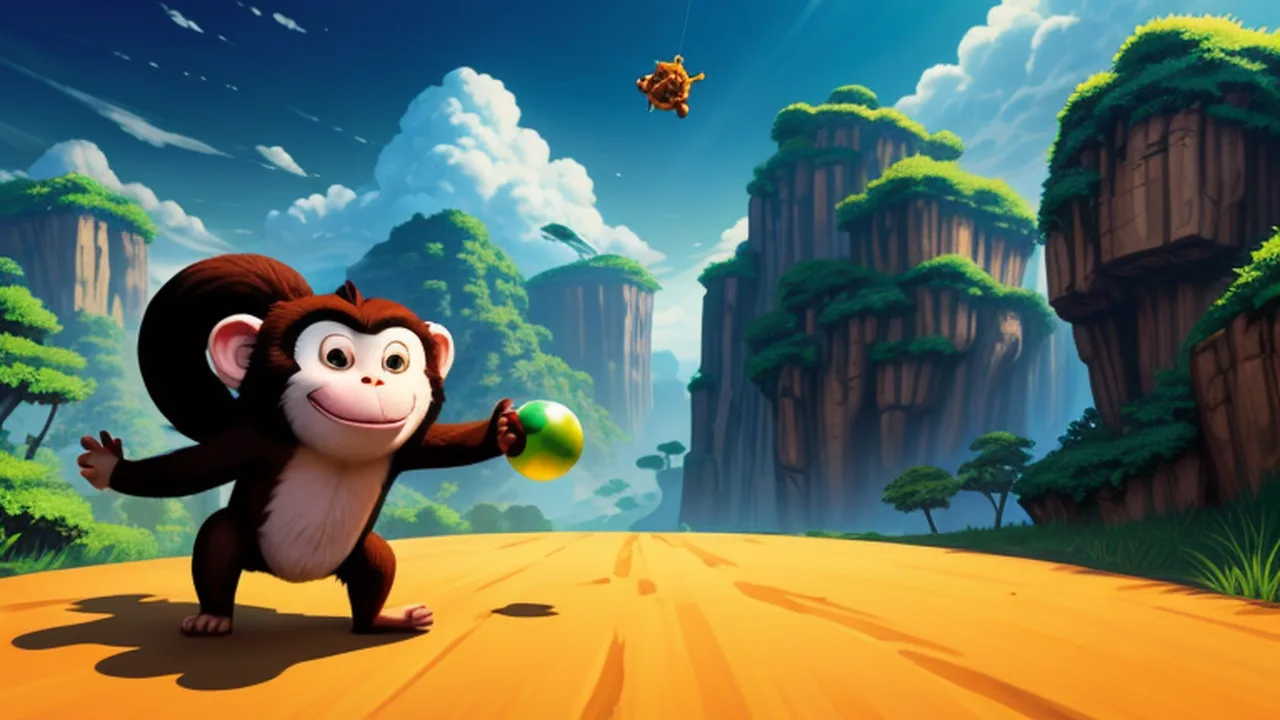
I Am Monkey puts you in a zoo with a monkey to control, objects to interact with and tasks to find. The point of a first visit is to see what you can do with the setting. Move around the opening area, approach a character and see how the game offers a task. If you like games with a long straight course or a score to chase from the first few seconds, this is a different pace. The zoo gives you reasons to look around before choosing where to go.
A search for “I Am Monkey Crazy Games” can also turn up other games featuring monkeys. Check the title in the player if you came for the zoo scenario. A platform challenge or escape game can use the same animal theme and still ask you to do something entirely different. Start with the environment and controls shown in front of you, then decide whether that gives you the sort of session you wanted.
Find the first task without wandering past it
The game page describes the elephant as a source of new tasks. When you load in, look for the route to the elephant and take a short walk through a recognizable part of the zoo. Notice one or two large landmarks you can use to orient yourself again. A particular enclosure, path or distinctive shape can tell you where you are after you turn the camera around. Give the opening interaction a moment to show you what it expects. Once you have a task, use its visible wording to decide where to move next.
If several objects catch your attention at once, choose the one closest to making the current objective clear. See whether the game shows an interaction when you approach it. Watch what changes after the action, whether that is a prompt, an item or a movement in the scene. This is useful because a zoo game can put decorative characters and objects close to things it actually wants you to use. The reaction from the current player tells you which ones matter to the task.
You can take a small detour to understand the movements and still come back to the same task. Before you leave the area where it began, look back and choose a feature you can recognize on the return. Once you know how to get back, a different path is easier to explore without losing the thread. For a short break, one completed task or one interaction that leads to a new prompt gives you a reasonable place to stop.
Try movement while you can still see the scene change
The desktop controls the site lists include WASD to move, Space to jump and mouse clicks for the game's action. On compatible touch devices, check for the joystick and on-screen buttons described by the game. The current player is the clearest guide if the version you opened has a different layout. Make a brief move and see which way the monkey goes relative to the view. Then try the jump somewhere you can see the starting point, the part you pass and the eventual landing.
A zoo scene can make it easy to lose track of a target while turning or jumping. On the first route, pick a likely landmark and return to it after trying a new input. If you overshoot, make the next move shorter and observe the response. If the view is the confusing part, practice a change in direction from a place with a distinctive point in the background. You want to be able to tell which move changed your position and which one only changed what you could see.
On a touchscreen, use an open part of the game to find a comfortable grip. See whether your thumb or finger covers the part of the scene that shows the next object. If it does, try a different view or choose a spot where you have more room to observe while moving. A control can work technically and still make the action hard to follow on a smaller screen. Spend the first minute seeing how it feels before deciding how far to play.
Use an object to see what kind of game this is
Once you have an objective, spend a moment looking at where its useful objects sit in relation to each other. Follow a single piece of the task and see whether it gives you another place to investigate. If a visitor or animal moves around the scene, wait long enough to see whether the movement changes what the objective wants. There is more to learn from one interaction you understand than from moving quickly past several unexplained prompts.
For a small first session, choose an object you can reach and work through whatever the current game indicates. Confirm the result before starting another thing. For a longer visit, try an objective that takes you into a different part of the zoo. Use a landmark from the opening and see whether you can find your way back after you have finished it. The interest comes from what the place gives you to do, so let the tasks shape the route instead of treating every new section as part of the same obstacle course.
When you leave and return, begin with the task or part of the map you found easiest to recognize. The controls can start feeling familiar after a few short tests. Then you can spend more time deciding which destination or object you actually want to explore. If the current build presents a different first task, start with the wording it gives you and adjust the route from there.
Try a course or an escape when you want a clearer finish
Fart Monkeys Obby Parkour puts a monkey on platform courses. The levels have a finish and three golden bananas to find. Jumping, a second lift in the air and more specialized moves help you reach different places. Choose it if you want to see a route one landing at a time. A quick visit can be about a single banana or a gap you can cross again. You can spend a longer visit looking for all the pickups after you know the way through.
Fart Monkeys Splash Escape takes the theme into flooded pool halls with an escape objective. Its sound-sensitive monster, valves and clues make it a different kind of activity from touring a zoo. Look for the interaction that tells you what the current hall needs, then decide how much time you have to work on it. The route and clues give the visit a beginning and a finish even if you choose to play only through one part.
The games answer different questions. A zoo task can ask you to recognize an animal or object and see what happens when you use it. A parkour level asks whether you can reach a particular landing with a visible route back. An escape asks which clue or mechanism will take you forward. Choose the zoo when the appeal is exploring and trying interactions. Choose a course or escape when you want to set a more specific end for the visit.
Give the zoo a short, focused first look
Start with an obvious path and one visible objective. Learn a movement and see how the display tells you when the game accepts an action. Then follow one task long enough to understand its result. If the interaction is what you enjoy, explore a little farther and use a familiar landmark to make the new route easy to remember. If you prefer seeing one clear course at a time, move to a platform game once you know what the zoo offers.
Use the time you actually have. A few minutes can be enough to reach the elephant, understand the first instructions and make one useful move. More time gives you room to see how the zoo connects its characters and tasks. Either kind of visit works best when you choose one part of the scene you want to understand, give it your attention and stop after seeing what changed.
Decide whether the zoo suits the time you have
The zoo is especially useful when you want the activity to come from noticing something in the scene. Leave yourself enough time to finish a prompt or to see the outcome of an interaction. If you only have time to walk past the first enclosure, a short platform level can give you a more defined objective. If you have enough time for a task and an extra walk, use the second part to see how the zoo looks from a different route.
Movement and the camera are part of that decision. A player who enjoys exploring a 3D scene can spend several minutes learning one area. A player who would rather compare the results of a few quick inputs may prefer the obstacle course. Give the zoo enough time to show you which of those it offers today, and use a single task as the reason to stay.