































lows adventure — tight jumps, clean reads, zero fluff
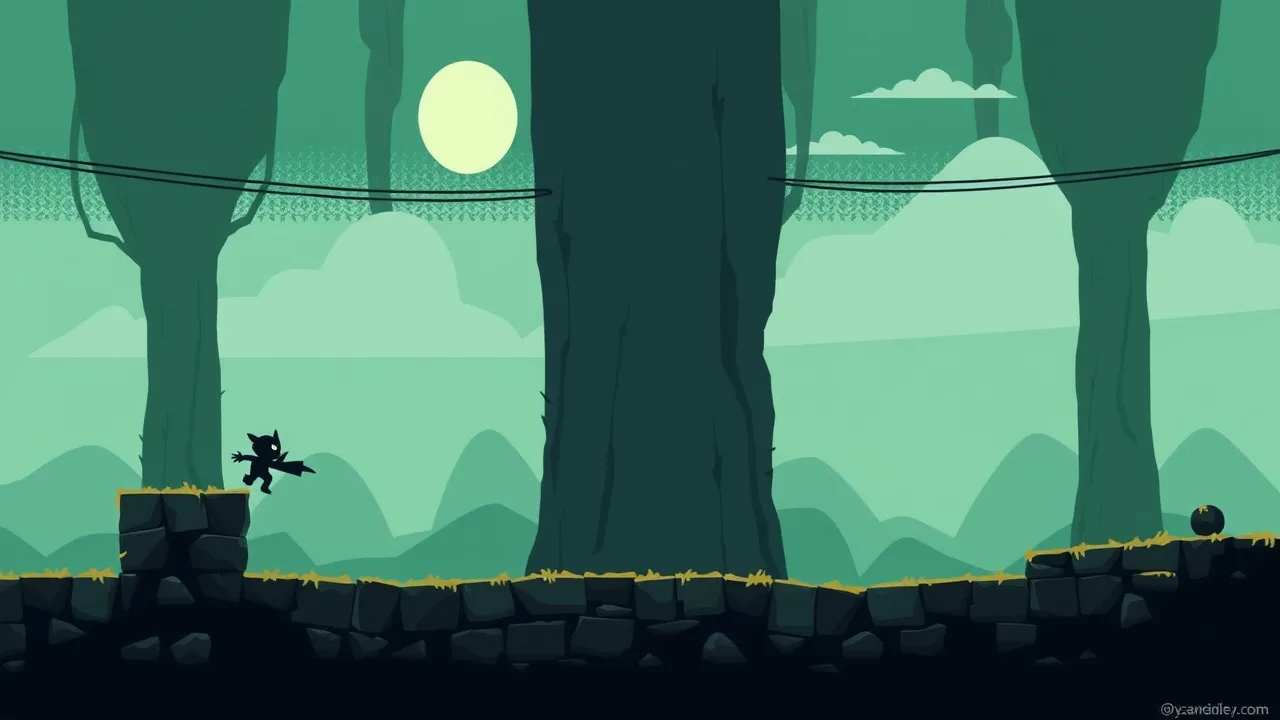
If your thumbs crave honest platforming, lows adventure is the snack that fights back. Stages are compact, cycles are readable, and the jump arc is consistent enough to build real muscle memory. First run = “learn the room.” Second run = “route a faster line.” Third run = “hit it clean, no pauses.” The physics are old-school respectful momentum matters, mid-air trims actually move you, and coyote time saves those “toe-off” prayers. Hazards aren’t cheap; they’re lessons. Expect short levels (under two minutes), frequent checkpoints, and a few cheeky optional collectibles that sit exactly where your discipline breaks. If you vibe with the fundamentals of a platform game, you’ll feel at home instantly. Start your lap here and let the timer humble you (in a good way): lows adventure.
Common rookie mistakes in lows adventure and fixes 🛠️
Over-holding jump: You’re sailing past safe ledges because you full-press by default. Fix: drill short-hop taps on flat ground 10 perfects in a row before moving on.
Ignoring cycles: You brute-force moving platforms and eat spikes. Fix: enter the room, count a full cycle once, then commit; knowledge beats panic.
No buffer timing: You hit jump a frame late at edges. Fix: learn the buffer window press jump just before landing and feel it carry into the next takeoff.
Momentum fear: You stop on every tile, destroying flow. Fix: pick one screen and forbid hard stops; use micro taps to adjust.
Greedy collectibles: Grab coins mid-PB and lose everything. Fix: separate “route+collect” runs from “PB” runs.
Reset paralysis: You keep trying a doomed line. Fix: bind quick-restart and reset on first unclean input. The game rewards discipline; treat every screen like a rhythm you’re learning, not a puzzle you can mash through.
What is lows adventure? A gamer’s definition 🧭
It’s a 2D sidescroller that strips the genre to its bones: read → route → execute. No stat trees, no RPG padding just honest jump physics, moving platforms, light enemy patterns, and exits that demand composure. Objectives are simple reach the goal, snag optional pickups if you’re feeling spicy. Compared with puzzle-heavy platformers, this leans kinetic: fewer box-pushes, more timing chains. The loop stays snackable 30- to 90-second screens, instant respawns yet the ceiling climbs fast once you start chaining springboards, crumble tiles, and cycle syncs. New players: walk the room once, then decide your line before moving. Veterans: chase silent inputs and micro-optimizations that shave tenths without risky YOLOs. It’s the good kind of retro: readable visuals, fair rules, and punishment that teaches rather than trolls.
Signature mechanics that define lows adventure 🧩
Coyote time grants grace frames after leaving a ledge great for learning edges without rage. Input buffering caches a press just before landing so runs stay fluid. Stateful movers keep consistent cycles when you re-enter, helping speed-rounters route reliably. Springs scale with press length, crumble tiles regrow on a timer (yo-yo tech!), and enemies telegraph with clean animation cadence. The kit synergizes: buffer into coyote to string crumbles, spring to a mover during the safe phase, then soft-land with a short tap so you don’t slide off. You always know why you failed early jump, late buffer, wrong cycle not because the game changed the rules, but because you did.
Best keybinds and button maps for lows adventure 🎮
Keyboard: Jump on Space + a backup on K (or Up Arrow) so your index/middle can alternate without clawing. Dash/slide on Left Shift, Restart on R (one-tap, no confirmation). Controller: Jump on the south face button, Dash on RT/R2, Restart on Y/△. Prefer D-pad for pixel edges; sticks need a modest deadzone so drift doesn’t kill ledge holds. Turn on vibration only if it doesn’t add input delay. If there’s a drop-through command, keep it far from Jump to avoid fat-finger tragedies. Fullscreen trims latency; use it once your PBs get tight.
Play lows adventure online free in your browser 🌐
Open, load, play no install. If the canvas is black: hard refresh (Ctrl/Cmd+Shift+R) and ensure hardware acceleration is on. WebGL errors? Close RAM-hog tabs and run windowed. School/work blocks? Request whitelisting for the exact path /tag/lows-adventure. Controller not detected? Plug before loading and press a button to wake the Gamepad API. Progress usually sits in local storage, so don’t purge site data if you care about times. Fullscreen + medium textures = best balance of clarity and responsiveness on older laptops.
Why lows adventure stands out in its genre ⭐
Because it respects you. Visuals communicate cleanly, mechanics stack logically, and resets are instant. The design teaches through repetition without padding the runtime. You can vibe casual and still feel clever, or dial sweat and discover lines that look like speedrunner witchcraft. Most indie platformers choose punishing or cute; this one chooses fair the middle path that keeps you grinding “one more” till midnight.
Next steps: training routines for lows adventure 📈
Run a 12-minute loop: (1) Edge ladder (4 min) stand on a pixel edge and chain 10 buffer jumps in a row without sliding; reset on any miss. (2) Cycle sync (4 min) enter a mover room on three different beats; complete each without pausing. (3) Flow string (4 min) pick a screen with spring → crumble → enemy; perform a no-stop route twice back-to-back. Record one session, watch at 0.5× speed, and tag errors: early/late/line. Tomorrow’s warm-up equals yesterday’s error list. That compounding is how PBs start landing daily.
Similar Platformers If You Like lows adventure 🎒
Pink Rush: Speedrun Platformer
This one’s a stopwatch bully in the best way. Two honest lines per screen: tourist route and spicy PB skip. The timer doesn’t lie, and resets are instant, so learning costs seconds, not sanity. When you’re chasing tighter coyote usage, jump into Pink Rush Speedrun Platformer mid-session and you’ll feel your rhythm sharpen inside five attempts.
Ninja Jump and Run
Wall-slides, edge-clings, and enemy tells that beg to be punished. The ninja kit rewards patience and clean inputs: short-hop bait, then over-the-top commit. Want better direction changes for Lows? Do a three-screen, no-stop chain inside Ninja Jump And Run and bring that flow back with you.
Speedrun Platformer
Minimalist design, maximal execution. Perfect for practicing route forks: wait for the safe mover or spring-skip to an early cycle? Test three lines, keep the fastest. Mid-grind, swap to Speedrun Platformer for ten rapid resets you’ll return to Lows calmer and quicker.
Tom Runner Platformer Game
Heavier inertia means momentum management is king. Feather jumps to land on micro cycles without overshooting. It’s a secret pacing coach: patience first, speed second. Get a feel inside Tom Runner Platformer Game, then PB the “scary mover” rooms back in Lows.
Scribble World: Platform Puzzle Adventure
Sketchbook charm with clever switch logic, layered over honest jumps. It trains your scan → plan → execute habit without dulling your movement chops. For a brain cleanser that still keeps your hands warm, hop through Scribble World Platform Puzzle Adventure and practice spotting bait routes vs the real line.