
















ping pong unblocked beginners win guide
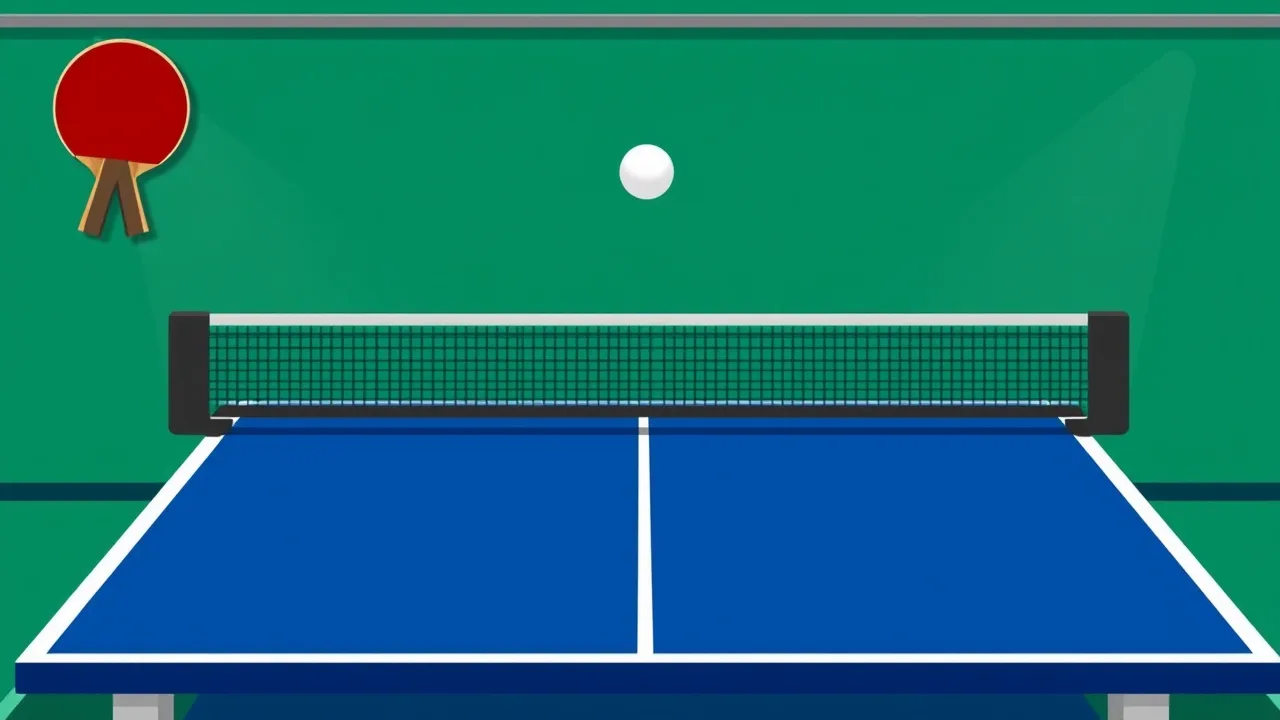
You want a quick browser hit that rewards timing, not wallet size. That is where ping pong unblocked shines. You jump in, read the spin, commit to a swing, and immediately see whether your angle was clean or scuffed. The loop is brutally honest in the best way. There is no teammate to blame and no queue to sit through. You face a paddle, a ball, and your own nerves. The beauty of playing in the browser is the frictionless start. One tab. No installer. If your lunch break is fifteen minutes, you can still fit a best-of-five and walk away with your hand-eye a little sharper.
A quick stop for clean practice 🎯
If you are here to try a session right now, launch a match at this Ping Pong Battle Table Tennis page. The layout is simple, inputs are readable, and the physics feel tight enough for fast learning. Keep your opening shots conservative until your eyes lock onto the bounce. Then start testing edges. Rallies get spicy, but that is the fun.
What makes table tennis work in a browser 🧪
The sport shrinks beautifully to a 2D plane. You get a clean table, a net, and hit windows that translate to keyboard or mouse without fuss. Even at modest frame rates, you still read early ball positions and set paddle angles in time. That makes it one of the few sports where a lightweight client does not sap the joy. Designers can focus on spin, bounce, and return paths instead of full character rigs, which keeps input latency low. Low latency equals confidence, and confidence equals longer sessions.
Spin, pace, and the timing triangle 🌀
Every rally hides a triangle. First corner is spin. Second is pace. Third is your timing window. Topspin dips late, underspin floats and then stalls, and sidespin pulls you off center just as you step. Browser builds often exaggerate these cues so you can read them quickly. Watch seams on the ball or particle hints that suggest curve. If the opponent leans into topspin, meet the ball a touch in front of your body. Against underspin, open the face and lift through contact. Your timing window is shorter than you think, but your brain adapts fast when you practice three or four focused rallies in a row.
Footwork without feet 👣
Even on a keyboard, footwork exists as micro-positioning. The ball path creates a tiny lane where your paddle can strike cleanly. Slide early rather than late. If the game supports variable paddle reach, keep your baseline position a half step back from the table. That extra depth buys time to read spin. When you see a short drop, step in decisively and tap a safe return to the far corner. In longer exchanges, resist the panic swipe. Small, early corrections beat big, late lunges.
Why ping pong unblocked clicks online ⚡
Plenty of browser sports try to simulate stadium energy with crowds and big overlays. They get loud but not necessarily satisfying. A tight table tennis loop keeps the screen quiet and the feedback loud. When you misread a slice, you feel it instantly. When you nail a punch block down the line, the sound and arc lock in your memory. That quick honesty explains why ping pong unblocked converts casual scrollers into repeat players. It respects your time and pays you back with skill you can actually feel improving.
Mechanics that separate casual from clean 🧠
Great runs usually come from three habits. First, you track height at the net rather than the ball’s position on your paddle. The net height is a fast proxy for whether a shot will clear. Second, you aim with trajectory rather than cursor placement. Think arc, not dot. Third, you vary depth more than angle in the early points. Deep balls buy time and invite misses. Once the opponent starts pushing deep to survive, you can take the space with a short drop and make them sprint.
Target setting that keeps it fun 🎯
Give yourself a simple plan each session. Example: five safe serves out wide, then one aggressive middle ball to test reactions. Or a mini challenge like two cross-court exchanges followed by one line ball. If you measure progress only in pure wins, you will tilt on a cold day. If you measure execution of small targets, you walk away happy and come back sooner. Happier players read more, click more, and finish matches. That helps engagement and, quietly, your site metrics.
Build a daily habit with ping pong unblocked ⏱️
Ritual beats hype. Set a quick three-set routine every morning or late evening. Warm up with ten soft returns to get your cursor hand relaxed. Then play one defensive set where you refuse to attack. Finish with one set where you look for early initiative. Use a tiny note beside your screen with a single focus like “earlier contact on topspin” or “recover to center after wide forehand.” Ending sessions on a clean rally makes the next return feel natural. That is the sneaky power of ping pong unblocked. It slots into a busy day without drama.
Serve variety without getting fancy 🥎
You do not need a library of trick serves. Two basics cover a lot. A fast, flat serve to the backhand forces a rushed, high return you can punish down the line. A slower, heavy underspin to the middle drags the opponent’s paddle under the ball and invites a short push. Read their first move. If they cheat to the backhand, surprise them with a quick body serve. If they lean forward on your underspin, add a touch of sidespin and watch the return leak wide.
Returning heat without gifting points 🔥
Most browser builds reward a compact block on hard serves. Angle the face, meet the ball early, and keep your swing short. If your block floats, you are meeting too late or closing the face too much. Once you tame pace, start steering to corners. A safe rule is deep cross, then tease a soft line ball when you feel their feet shift. If they start camping on the deep cross, add a soft drop. The goal is not highlight reels. It is to pull their center of mass out of position so the next ball becomes easy.
Read the opponent like a book 📖
Even AI routines have tells. Watch shoulder tilt and paddle take-back. If the model tilts down and back, expect underspin. If it loads high with a forward lean, topspin is coming. Human opponents online show patterns too. Some spam wide backhands, others rush the net after serving. Take the first two points to scout. The third point is where you nudge the pattern hard. Send the ball where their recovery is slow, not where their shot just landed.
Micro-coaching for three playstyles 🧩
If you play patient, make the table small. Keep your shots inside the lines and aim inches above the net. Let the opponent blink first. If you play aggressive, make early contact and aim deep. You will miss a few, but your winners set the tone. If you are experimental, mix tempos. Soft, soft, sting. The surprise is often worth more than raw speed. Write down which style actually wins for you this week. Switch only when the opponent solves it.
Comfort, accessibility, and inputs 🛠️
Power is cool. Comfort wins. If a controller is supported, try it for ten minutes. Analog sticks map naturally to arc control. Keyboards shine for crisp blocks and sharp line balls. Use the browser zoom that keeps the ball readable without cropping UI. If the game includes color filters or contrast aids, turn them on. Clear visuals cut down on late swings and reduce eye fatigue in long sessions. Small gains add up.
Performance tuning that matters ⚡
Close heavy tabs. Keep hardware acceleration on. If your laptop is on battery saver, expect inconsistent frame timing. Plug in. Windowed mode often feels crisper for cursor control than full screen on mid hardware. On the site owner side, serve assets over HTTPS, compress images, and set cache headers. Predictable load speeds make players trust your page. Trust turns into longer time on site and more completed matches.
Learning from the sport’s roots 🏛️
Designers borrow rhythm from real table tennis. If you want a quick deep dive into the sport’s history and technique language, the entry on table tennis gives context for strokes, grips, and the evolution of modern spin. Even if you only skim, the terminology helps you parse what browser builds are trying to teach. When you read a mention of a loop or a chop, you know the intended path and can adapt your aim.
Content and community that help, not hype 🏡
Players do not need fireworks. They need tips that save them points. Consider adding a short “first five things to try” box near the play area. Rotate a weekly challenge like “win a rally with three different spins” to give returning users a fresh hook. If you host comments, pin one community tip that is friendly and concrete. Reward clarity. People come back to spaces that feel useful.
Creator-ready sharing without clutter 🎥
Short clips drive interest. If you run a blog or a social channel, capture one twenty-second rally per week with a clear title like “wide serve into soft drop.” Keep overlays minimal so the ball is always visible. Offer a static thumbnail pack with a simple paddle icon and big, readable text. Make it easy to embed. A little creator love pulls new eyes in without shouting.
Psychology of a tight comeback 🧠
Tilt happens when your brain tunnels in on one mistake. Break it by resetting routines. Step back from the virtual table for five seconds. Shake your hand out. Take one breath and decide your first shot before the point even starts. Comebacks feel impossible until you win two calm rallies. Then the court shrinks for the other player. That shift is real. Protect it by avoiding hero shots. Force their feet to move and hit behind them when they overcommit.
Small drills that pay off fast 🚀
Try a three-minute wall drill if the build supports free practice. Aim for alternating corners without chasing power. Next, practice safe returns on heavy underspin by opening the face and lifting gently. Finally, serve fifteen balls in a row to the same spot until your toss and contact feel automatic. These drills look boring. They win you the ugly points that decide a set.
The long-term ladder without the grind 🪜
Progress feels best when it is visible. Track three metrics: first-serve percentage, unforced errors on returns, and rally length before your first aggressive shot. You do not need spreadsheets. A quick note after each session tells a story. When your first-serve percentage climbs, you get easier balls. When unforced errors drop, pressure flips. When you delay your first rip by one or two exchanges, you make smarter choices. That is real growth.
What to do when you plateau 🧊
Plateaus are normal. Switch one variable for a week. Different input device. New starting position a half step back. Or a constraint like “no line shots until rally five.” The goal is to jolt your pattern recognition. Another trick is to watch one replay and count only your recoveries. If you are late getting back to center after a wide ball, that is your next target.
The etiquette that keeps matches chill 🤝
Even solo or quick-match modes benefit from light etiquette. If there is a rematch button, use it for close sets. If you stumble into an obvious mismatch, finish quickly and queue up again. Keep chat clean if it exists. People remember how a space feels. Calm spaces get bookmarked.
A note on real-world crossover 🌍
The instincts you build in a browser follow you to a real table. Reading early bounce, meeting the ball in front, and recovering to center are universal. If you ever join a local club night, you will be surprised at how comfortable your first exchanges feel. The muscle memory may need work, but the brain memory is already there.
FAQ ❓
What is the fastest way to improve serves?
Pick one location and one spin for a week. Aim for consistency first. Once your toss and contact are automatic, add small variations. A predictable base with tiny wrinkles beats a bag of random tricks.
Do I need a controller to play well?
Not required. Many players reach clean control on keyboard and mouse. If a game supports controllers, try both for ten minutes. Go with what keeps your wrist relaxed.
How long should a practice session be?
Fifteen to twenty minutes is perfect for focused improvement. Warm up, run one drill, then play a short set. Stop on a good rally so your brain craves a return visit.
What is one reliable return against hard servers?
A compact block. Meet the ball early, keep the paddle steady, and steer deep cross. It is not flashy. It is effective.
How do I beat a spin-heavy opponent?
Read the shoulder and paddle height before contact. Against underspin, open the face and lift. Against topspin, meet early with a slightly closed face. Do not over-swing. Let their spin work against them.
Can I train only three days a week and still improve?
Yes. Make each day intentional. One serve day, one return day, one match day. Take quick notes after each. Progress compounds quietly.
Is there an ideal warm-up?
Ten gentle exchanges to feel timing, five serve placements to your favorite spot, and two aggressive returns to remind your body you can attack. After that, play.