




























subway surfers unblocked: The guide to running farther, scoring higher, and playing anywhere
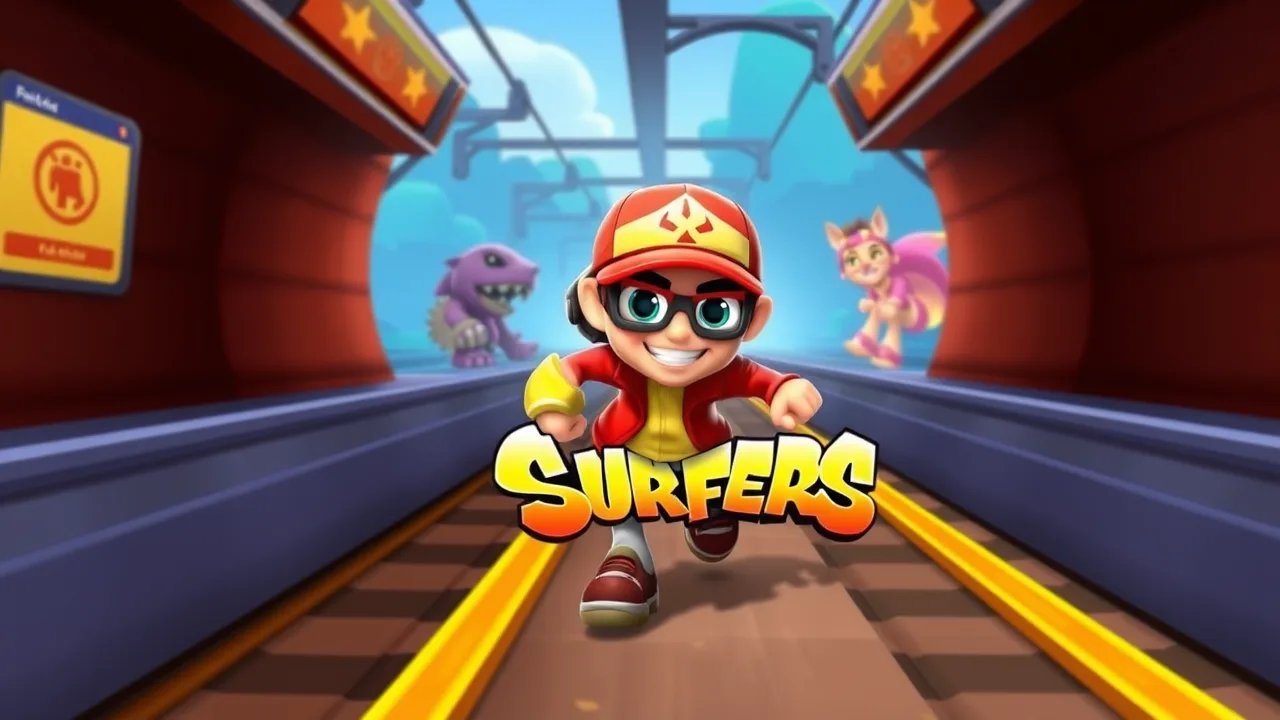
If you want the straight truth, here it is. You’re not stuck. You’re one or two smart habits away from turning casual runs into stupidly long streaks. This guide gives you practical, tried-and-tested tips to squeeze more score out of every run while keeping that smooth flow that makes the game addictive. And yes, we’ll keep it real about how to play subway surfers unblocked in school, at work, or wherever life throws you a five-minute break. We’ll mix old-school fundamentals with forward-looking tricks so you get the best of both worlds.
Before we sprint, context matters. Subway Surfers is a classic endless runner from Kiloo and SYBO that first hit in 2012 and still pulls wild numbers today. The game is pure rhythm and reaction: dodge, jump, roll, collect, repeat. If you want the formal background, the Wikipedia page has the core facts in one tidy place, including its devs and platforms. That’s your one natural reference if you like to peek behind the curtain.
🚀 Quick start: play right now in your browser
You asked for a link you can actually use, zero fluff. Tap this once and play in your browser:
Play Subway Surfers SpaceStation on BestCrazyGames
One click. No apps. No drama. This is the cleanest way to get rolling if you’re on a shared computer or a restrictive network.
Pro tip while you launch: do three short warm-up runs to wake up your thumbs, then take your first serious attempt. You’ll be sharper and less jittery.
🧭 What actually matters for high scores
Most players plateau because they treat every run the same. Here’s what consistently moves the needle:
-
Mission stacking for multipliers
Your multiplier is the engine under the hood. Don’t just “play” the missions. Queue a session only when your current missions synergize. If one mission wants coin pickups and another wants power-up time, equip a hoverboard that keeps you alive longer, then prioritize Coin Magnet and Jetpack spawns. -
Board uptime beats hero moves
Fancy swerves look cool but consistent hoverboard uptime saves runs. The hoverboard is a second health bar. Pop it before sketchy patterns, not after you panic. -
Vertical control is king
At higher speeds, trains can trap you. Teach your brain to think in layers. Top of train, gap, rail, barrier. When you start reading vertical lanes as options, you’ll stop dying to ugly side spawns. -
Micro-resets keep you calm
After a near-miss, many players tilt. Use a tiny ritual to reset your breathing. One inhale through the nose, one slow exhale, eyes still scanning. You’ll defuse the adrenaline spike that causes the next mistake. -
Spend keys like a manager
Keys are not for ego continues on messy runs. Save them for a god-seed run with great coin flow and clean obstacles. If your first minute was sloppy, let it go.
🧪 The skill lab: drills that actually work
Gamers love big lists of “tips” that never stick. Instead, run these short drills that lock habits into muscle memory:
-
Lane flicker drill
Spend 30 seconds riding the center lane and flick left-right every 2 seconds without clipping anything. It trains rhythm and reduces panic when the game’s tempo spikes. -
Barrier hop pattern
Find a barrier sequence and practice hop-roll timing on repeat. The goal is smooth cadence, not speed. When the timing is automatic, you’ll stop burning boards defensively. -
Magnet discipline
When you grab Coin Magnet, resist the urge to chase side coins you would never take at full speed. Let the magnet work. This teaches patience and line integrity. -
Early board habit
Anytime your brain whispers “this looks sketchy,” pop the board immediately. Do this for a whole session. You’ll rewire the instinct so protection happens before danger, not after.
Community-tested wisdom backs a lot of this, especially the emphasis on hoverboard choice and barrier control. Players who push past the 1M wall usually fix consistency before chasing style.
🧰 Loadout basics: what to upgrade and why
-
Jetpack and Coin Magnet are score engines. Prioritize them. The longer they last, the more your combo snowballs.
-
2x Multiplier matters, but only if you stay alive. Survival perks first, then multipliers.
-
Sneakers are great until they trick you into greedy jumps. Use them, but respect the landing windows.
-
Hoverboard choice should match your weakness. If you die to trains, use a board with jump control. If you die to barrier clusters, grab one with stability or special handling.
Remember: the right board for you is the one that bails you out of your most common failure, not the one your friend swears by. That’s grown-up min-maxing.
🌠 SpaceStation vibes: how the layout affects your flow
SpaceStation sets swap out city grit for sleek sci-fi rails and metallic palettes. The geometry still follows familiar endless-runner logic, but the art makes obstacles read a touch differently. Many players perceive slightly brighter highlights and smoother silhouettes, which can help reaction timing. If you notice your eyes relaxing here, lean into it and push your pace. There are also community notes about special characters and boards appearing during certain SpaceStation rotations in past tours, which can change your meta if they return in future cycles.
🧭 How to set up a perfect “anywhere” session
If your environment is locked down or laggy, don’t overcomplicate it. Here’s the minimalist plan:
-
Open the browser version once and keep the tab ready.
BestCrazyGames SpaceStation is simple and quick to relaunch if you lose the tab. -
Use headphones
Audio cues help your timing more than you think. Train horns and pickup sounds are tiny rhythm anchors. -
Go small-window at first
A slightly smaller window reduces eye travel. Once your focus locks in, go full screen. -
Two-run rule
If two back-to-back runs start scuffed, pause. Stretch your hands, sip water, then return. Reset beats brute force.
This lightweight setup helps you play subway surfers unblocked without getting caught in a settings rabbit hole.
🧱 Mistakes that kill good runs
-
Late swipes because you were hunting coins on the edge of a lane. Center bias saves lives at high speed.
-
Greedy switches while on Sneakers. Landings get spicy. Commit to a lane before you jump.
-
Ignoring train roofs as safe zones. High ground is a rhythm reset when the ground lanes look cursed.
-
Saving boards “for later.” There is no later if you slam into a barrier. Use them.
🧠 Mindset that holds when the game accelerates
The best runners don’t try to be perfect. They try to be boring. Boring lines are stable lines. Once a line is stable, you layer speed and occasional greed. When your eyes are doing the driving, your fingers just execute. That’s the zone.
Try this mantra during fast sections: see early, move early, protect early. It’s blunt, but it maps to the three decisions you make every second.
📚 A short note for lore and systems nerds
If you like knowing the roots, Subway Surfers sits firmly in the endless runner lineage and has been one of the genre’s most successful titles ever, with milestone download counts and a long life thanks to touring updates. Reading the endless runner overview gives you helpful context on why the formula works so well and why small mechanical improvements pay off.
🧩 Controller and device tweaks that feel better
-
Touch sensitivity: if your device lets you tune it, go one notch higher than default. It reduces missed swipes without making you overshoot.
-
Frame stability beats pure FPS: a consistent frame cadence helps lane reads more than raw peak performance on low-end hardware.
-
Brightness bump: tiny increase makes barrier shadows and train edges pop, which helps late-night sessions.
If you switch devices a lot, try three calibration runs where your only goal is feeling the swipe latency. Don’t chase score. Get the timing right first.
🔄 Sustainable progression loop
Here’s a loop that keeps you improving without burning out:
-
Warm-up: two short runs focused on clean inputs.
-
Mission push: 10 to 15 minutes of mission-aligned play to build multiplier and currency.
-
Score attempt: one serious run with keys reserved for it.
-
Cool-down: one relaxed run where you experiment with a different hoverboard or jump timing.
That’s 20 to 30 minutes total. It respects your time and stacks gains.
🔍 When should you continue a dead run with keys
Use keys only when all three are true:
-
You’ve had excellent coin flow or long power-up chains.
-
You died to a micro-mistake, not a messy pattern.
-
You’re mentally calm enough to continue cleanly.
If any item is missing, cut your losses. This policy alone saves more keys than any “hack.”
🧨 Common myths to ignore
-
“You need the fanciest board to score.”
You need the board that protects your most frequent mistake. -
“Always go for coins.”
Not at speed. Coins you can’t collect safely are bait. -
“Hoverboard equals invincibility.”
It forgives one hit. That’s it. Respect spacing, especially on train stacks. -
“The theme doesn’t matter.”
Visual clarity changes reaction time. If a theme helps your eyes, ride it.
🕹️ Classic fundamentals still win
I get it, you want the spicy trick that turns you into a leaderboard demon overnight. Here’s the old-school truth. Fundamentals scale forever:
-
Look ahead, not at your feet.
-
Anchor your thumb at a consistent spot on the screen.
-
Choose conservative lines until the game forces a risk.
-
Treat every near-miss as feedback, not failure.
Consistency is the boring superpower. Lean on it.
🌍 Your single natural backlink for deeper background
If you ever want to check the big picture, the official encyclopedia-style overview of Subway Surfers covers its origin, genre, and platform spread. It’s concise and helpful, and that’s all you need for provenance while you keep the rest of this guide clean of clutter.
💡 FAQ: subway surfers unblocked
Q: What is the easiest way to play subway surfers unblocked on a shared device?
A: Use a browser version in a single tab, like the SpaceStation page here: Subway Surfers SpaceStation. Keep the tab pinned so you can hop in for quick sessions.
Q: Is there any official background info I can cite for a school project or blog?
A: Yes. The encyclopedia entry that outlines developers, platforms, and original release is the cleanest single source to reference.
Q: What small change gives the biggest score jump fast?
A: Early hoverboard usage. Treat it as a pre-emptive shield, not an emergency button. It prevents the snowball of panic that ends great runs.
Q: How do I stop dying to back-to-back barriers?
A: Practice the hop-roll cadence until it’s automatic. Your timing window is bigger than it feels, and smooth rhythm stops the late swipes.
Q: Which power-up should I chase first when two are close?
A: Jetpack tends to pay the most over time, especially with a healthy multiplier. Coin Magnet is a close second. Pick based on your mission stack.
Q: Does theme selection like SpaceStation really matter?
A: It can. If a theme’s visuals read cleaner to your eyes, your reaction time improves. That’s free performance.
Q: Can I become consistent without grinding for hours?
A: Yes. Use the 20 to 30 minute session loop. Warm up, mission push, one serious score attempt, cool down. You’ll progress without frying your focus.
Q: How many times should I continue a run with keys?
A: Usually once, sometimes twice, never by default. If the run was messy, save the key and start fresh.
Dive into more thrilling browser games like Subway Surfers unblocked on BestCrazyGames. Discover endless fun and start playing today! BestCrazyGames