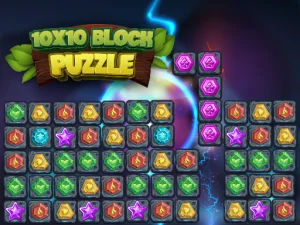
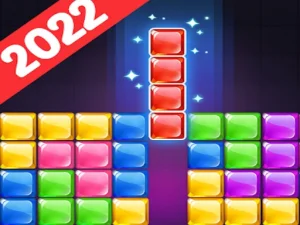
1010 Games groups block puzzles with several different uses of space. In a typical board, the next piece has to fit somewhere on a grid. Other cards ask you to remove blocks, change a balance or work with a set of colors. Look where the first move will leave room before making it. A placement that uses a large free area can be easy now and make it harder to place another wide shape later.
Last Updated:
Keep options open around a nearly complete line
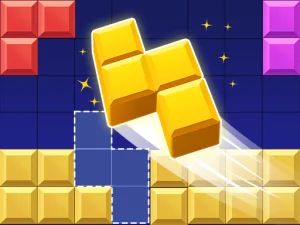
Block Craze gives you colored blocks to arrange into complete lines. Start by looking at the shape of the piece and finding several places it could go. Check which of those placements helps complete a line or keeps a useful opening for another shape. A gap that is just one square wide might be easy to use for a small piece and awkward when the next pieces are larger. Let different shapes have a few places to fit when the current board allows it.
After placing a piece, look again at whichever row or column is closest to clearing. A small change can make a different line better to work on. If one area starts to look crowded, focus on moving toward a clear that opens several squares at once. You can judge an early move by whether it gives you a visible second move. One board or a run that keeps useful openings longer makes a tidy result on a short break.
Pay attention to how a set of pieces clears
Block Puzzle Legend uses matching and clearing with colored blocks. Check the rules shown for the current board. Find which pieces are part of the same group and see what the display marks as an available move. Before taking it, look at how the arrangement will change. A set near the edge may give a clear path to more space, while another can remove more pieces without changing the part you want to use next.
Use one move as a way to read the board after the game responds. If new pieces appear, see whether your earlier choice leaves room to work with them. If the layout shifts, inspect the new lines before relying on an earlier plan. For another attempt, start by saving an opening wide enough to use for a piece you could not place last time. Follow the result and see whether the extra room matters as the board fills.
Try a different kind of block constraint
Mystic Blocks Match uses colorful blocks in a physics puzzle with balance. Start by seeing what the current arrangement supports. Choose a swap you can follow from the first movement to the moment the structure settles. A modification that changes only one part gives you a better chance to see which weight or contact produced the result. Look at the still structure before experimenting with another adjustment.
Tap Blocks Away offers a removal puzzle. Observe which blocks the current game allows you to move and what becomes visible afterward. Begin with an outer piece whose path you can see. A small first choice can open a region that looked blocked before. Removing a piece for that reason gives you a clearer direction than simply trying each visible block in order.
Pick the board you want to manage
Choose a line puzzle when you want to use limited space and decide which gap to protect. Try a match board when you want to see how groups change after a move. Open a balance or removal card if you want the arrangement itself to react differently. Read the current rules and begin with a small goal that stays visible. A completed line, a better area to work in or a cleared group can be all you need from one visit.