Start the monument with ordinary materials
Pyramid Builders begins in first person. Dig clay at the pit, mould it into bricks, allow them to dry on a rack and carry them to the structure. Follow a small batch through those stages so that each workplace has a clear role.
WASD or the arrows moves, and the mouse changes the view. Shift runs, Space jumps and holding the left mouse button performs the documented digging, taking and laying actions. Learn the response while moving between the first few workplaces before attempting a hurried production routine.
A finished brick needs to reach the monument. Pay attention to where materials are waiting and which action advances them to the next stage. More activity at one workplace is only useful when the following stage is also understood.
Turn individual work into a crew
The five worker types are diggers, porters, moulders, brick carriers and masons. Their different roles give you a way to think about where the current process needs help. Mud huts house the crew, and the supplier lists sixteen upgrades and buildings among the development choices.
Watch a complete small cycle before deciding what to buy. A stage where material waits provides a different question from a long carrying journey. Read the available worker or equipment explanation in relation to the particular delay you have noticed.
Catapults can send bricks upward, and a brick trolley provides another handling option. Use the current interface to see what is available and required. Choosing equipment becomes easier when you know which piece of the route it is intended to change.
Bring the night shift into the plan
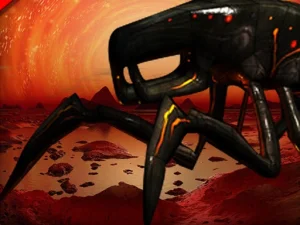
The game has a day and night cycle and offers an Alien Pact. Its alien helpers are part of the playful construction fiction, allowing work to continue through the night. This gives the theme a specific job in the progression rather than merely adding an unfamiliar creature to the scenery.
Read the explanation before committing to the pact or another option. The useful question is what changes in the work you are managing. Treat the current scene and available menu as the reference, without turning the humorous premise into a historical account of real pyramid building.
Random events and the Pharaoh's chest add further things to inspect. Notice when the routine changes and give the new information attention before continuing the same inputs automatically. A new event can deserve a different immediate goal from producing another ordinary batch of bricks.
Use the controls for the work in front of you
Open the shop with 1–5 or B. Q operates the rally horn, E the brick trolley and G the Pharaoh's chest. M controls sound and Esc pauses. Phones have their own movement and looking interface, so follow the on-screen layout when using touch.
The published progression describes seven monuments, followed by another cycle at double pay, and automatic saving. For an opening session, a smaller goal such as a completed batch or a clearly understood purchase gives you something concrete to evaluate.
Explore another Alien card when you want a different use of the theme. Check whether its actual task involves building, movement, encounters or another activity. In Pyramid Builders, begin by understanding clay, bricks and the crew; the night-time visitors then have a clear place in the construction you are developing.