Dice Games collects boards where numbers or dice change what you can do next. One game gives you chess-like choices. Another asks you to combine dice to make larger values. A puzzle board can make you think about where a die will sit or what a group of numbers will allow. Read the initial instructions. The same familiar dots and numbers can be used for very different decisions.
Last Updated:
Read which move the current board allows
Mini Dice Chess brings dice into a chess-themed game. Start by discovering what the roll changes. Look at the actions the current position offers and see which one fits the rule on screen. Even when the figures resemble something you know, give the mode time to explain how it uses the dice. The first legal move tells you more about the game than assuming it behaves like a normal chess board.
Use a short visit to understand the relationship between the roll and your options. After acting, observe what remains on the board rather than thinking only about the move you just made. If a later roll gives you a different choice, see if the current position leaves room to use it. This can make one early sequence useful even before you finish a full match.
Keep space for another merge
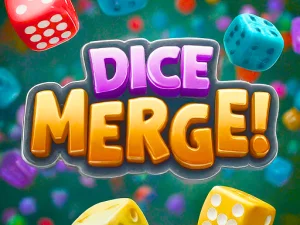
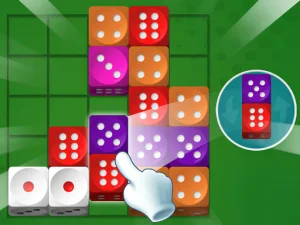
Dice Merge uses dice with matching values to make higher ones. Inspect the numbers and the free spots before moving a die. A larger value can be a good outcome while the movement that produced it uses the space you wanted for a different group. Picture where the new arrangement leaves your next usable piece. Give yourself room to work with a group that might be easier to combine after the board changes.
Once you make a match, check which nearby numbers are now worth following. One of them can become useful because a piece moved or a space opened. A short session can be about putting together two or three merges while keeping the board readable. If you run out of options, look at the first placement that stopped you from preparing another group. Try another opening and watch whether the result gives you more room.
Check the objective in a dedicated dice puzzle
Dice Puzzles and Dice Puzzles New Year use dice imagery in puzzle settings. Read what the current version asks you to place, match or reach. Start by looking at the outer parts of the board and choosing one move you can follow all the way to its visible result. The point of a first attempt can be to see exactly which values or positions the game treats as related. This gives you a useful way to compare another level, even if it changes the colors or layout.
If a board has several possible openings, try looking at the result from its tightest section. Decide which dice you will still be able to reach or use once the first move is finished. There may be a quieter choice that does less immediately but gives the rest of the board more space. Test it and inspect what changed before continuing with a longer series of moves.
Choose whether dice control the move or make the puzzle
Open a chess-themed title when you want to see a roll narrow the next choice. Pick a merge game for planning how values and spaces change after combining pieces. Try a dedicated board when you want a small goal you can work through one move at a time. Use the current game to confirm which inputs it accepts. Finish after a move sequence you can explain, or use another round to see whether the same kind of decision becomes easier to spot.