Choosing Your Farming Focus
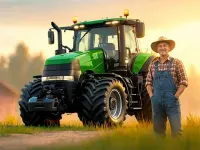
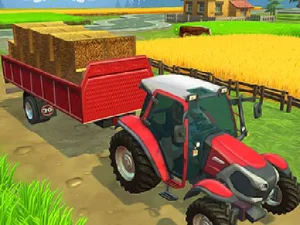
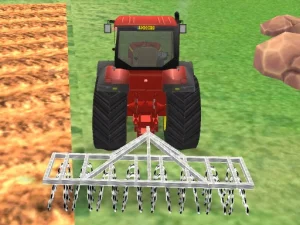
The two games here differ in their central activity. Farming Simulation Game centers on operating tractors to carry out fieldwork: cultivating soil, planting seeds, and harvesting produce through a series of missions. The 3D countryside and direct vehicle controls make the work feel grounded in the physical act of farming. Your attention is on steering, positioning, and completing the task in front of you.
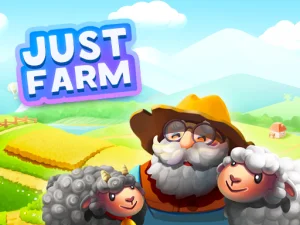
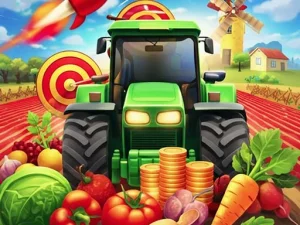
Farm Land Farming life game takes a broader view of rural life. You plant seeds in plots, water them until they mature, then sell the harvest for coins that fund new land, animals, and equipment upgrades. Tap or click controls keep the interaction simple, and the colorful setting gives the work a lighter, more decorative quality. Where one game asks you to master a machine, the other asks you to manage a system of resources.
Learning the Tractor Work
If you start with Farming Simulation Game, the first priority is getting comfortable with the tractor itself. The W A S D keys or Arrow Keys handle steering and movement, and smooth control of the vehicle makes every later task easier. Before rushing into large fields, spend time on basic movement: turning without overshooting, reversing cleanly, and keeping a steady line. Precision at this stage pays off when cultivation and planting demand more careful positioning.
Once the controls feel natural, take on one farming mission at a time. Each mission introduces a specific job, whether cultivating land, planting seeds, or harvesting, and completing them steadily builds your operation. Read the current fieldwork objective before choosing which part of the farm to tackle next. The challenge comes from managing the farm rather than from fast reflexes, so a calm, methodical pace suits the work well.
Building a Profitable Homestead
Farm Land Farming life game rewards planning as much as planting. Your first decisions involve which plots to work, when to water, and how quickly to sell what you grow. Coins from harvests are the engine of expansion, so reinvesting them wisely determines how fast the farm develops. Buying new land opens more growing space, while animals and equipment upgrades add new dimensions to the work.
Layout matters here. Placing crops and animals with room to grow means fewer awkward rearrangements later. Water crops on time and harvest consistently to keep income flowing, since missed cycles slow everything down. The step-by-step guidance helps early on, but as you gain experience, you will start weighing immediate spending against saving for a larger purchase. That tension between spending now and investing later is where the game's decisions become interesting.
A Practical First Session
A good first session in either game focuses on learning rather than expansion. In Farming Simulation Game, drive the tractor until steering feels automatic, then complete a single mission from start to finish. Notice how cultivation, planting, and harvesting each demand a slightly different approach, and let one task finish before starting the next. The goal is to leave the session with a clear sense of how the work flows.
In Farm Land Farming life game, begin by planting in available plots and watering them through to maturity. Sell the first harvest, then consider what the coins should buy: more land, animals, or equipment. A single cycle of planting, watering, harvesting, and selling teaches the economic loop better than rushing to expand. Both games reward a first session spent understanding the rhythm, so take the time to learn what each task asks before scaling up.