Recognise the boxing game inside the player
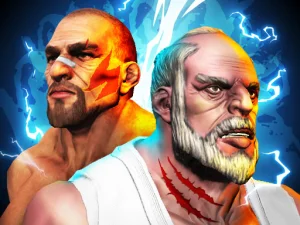
The page named Boxing Fighter Shadow Battle currently loads King Boxing 2024. This is a three-dimensional contest with human boxers in an arena. Recognising the title within the player helps keep the instructions tied to the game actually available on the page.
Press Start, choose the player option and select a boxer. The verified selection screen shows eight numbered choices. Check the highlighted fighter before continuing, particularly if you are comparing another character on a later visit. A selection is easier to evaluate when you know which option you entered with.
The confirmed controls are WASD for movement, Z to attack and C to defend. Learn the response of those actions individually before trying to combine everything in the opening exchange. A movement followed by a deliberate strike gives you clearer feedback than a rapid sequence you cannot separate afterward.
Use distance as part of the decision
Watch where the opponent stands before committing to an attack. Moving closer may create an opening, but it also changes the opponent's opportunity to reach you. After an exchange, inspect the distance again instead of assuming that the same action remains appropriate.
Practise a short approach, an attack and a reassessment. The important observation is what the exchange leaves you able to do next. If you keep advancing automatically, it becomes harder to tell whether a difficult moment came from positioning or from the timing of an action.
Use movement to understand the contest rather than treating it as a way to avoid learning defense. A ring encounter involves both where your boxer stands and what happens while the fighters are close enough to interact. Keep those parts connected when deciding on another strike.
Give defense a place in the rhythm
The C input is a documented defensive action. Practise using it between attacks so its response becomes familiar before a pressured moment. Compare a continuous advance with a more measured exchange that leaves time to observe the opponent.
Read the current game for any additional conditions instead of assuming a particular stamina meter, combination system or universal counterattack window. Those details can differ between fighting games. You can still improve timing by observing the immediate result of a basic attack and defensive pause.
When an exchange goes poorly, identify the first action that left you exposed or uncertain. You may have closed distance without a clear intention, attacked while still repositioning or kept pressing after the situation changed. A retry is more informative when it tests a specific alternative.
Choose the next contest by its actual rules
Combat games can look similar while requiring different control habits. A boxing match's keys should not be transferred automatically to another card in this collection. Check whether the next title asks for direct movement, selected moves or another kind of interaction before beginning.
Set a modest goal for the session: make movement more deliberate, recognise a better moment to attack or remember to use the available defense. These are decisions you can review even when a contest ends unsuccessfully. The collection gives you a way to find another fight; understanding the chosen game turns that fight into practice with a clear purpose. Keep a familiar boxer while testing an adjustment, so a new selection does not obscure the effect of a better movement or defensive choice.