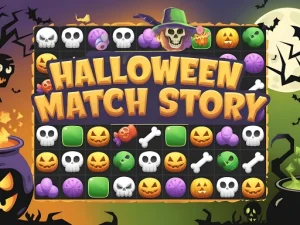
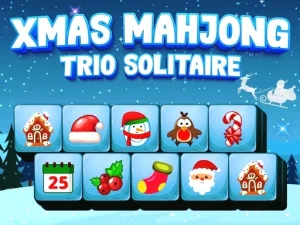
Look at the destination as well as the matching object
Before moving an item, identify the place where it would help. In a shelf puzzle, that means checking the available slot and the goods already beside it. In an aiming puzzle, it means considering where a projectile will arrive. Matching is part of the decision; reaching the appropriate arrangement is another part.
Watch what becomes exposed or available after a successful move. Clearing a group can change the next useful target. Plan from the new board instead of assuming that a sequence chosen earlier still fits. This is especially useful when a move frees working space or changes which objects you can reach.
Arrange triples in Goods Sort Match Puzzle
Goods Sort Match Puzzle uses products on shelves and clears three identical goods together on the same shelf. Click and hold an item, drag it into an empty slot on another shelf and release. Touch uses the corresponding drag-and-drop action. Inspect the destination before starting a transfer.
An empty slot can act as temporary working room. If you cannot complete a triple immediately, consider a rearrangement that makes a later match possible without filling every opening with unrelated products. The timer creates pressure, but choosing an order remains important. A hurried transfer can reduce the options needed for the next useful item.
Compare shelf movement with another matching format
Bubble Shooter Classic Game is another associated example, using coloured-bubble aiming rather than dragging products between shelf spaces. The comparison is useful when choosing the interaction you prefer. Read that game's own aiming and completion instructions instead of expecting an empty-slot arrangement simply because it appears within this collection.
Color Coin Merge adds a numbered-coin alternative. Its opening demonstrates compatible coins combining into a higher value. Select a source stack and then a destination through clicks or taps. This is a merge rule to read on its own terms; it should not be described as requiring three products on a shelf.
The Deal button adds coins to the tray. Inspect the exposed values and existing combinations before bringing in more. Keeping room to reorganise can be more useful than shifting a stack simply because a destination is open. Named helpers have explanations to read when available, rather than a universal order in which to spend them.
Choose a move for the space it creates
Ask what will remain usable after a proposed match. Does it free a slot, expose an item or bring a coin closer to a compatible group? A move with a clear continuation is easier to assess than one chosen only because something flashed or looked similar.
If an attempt becomes crowded, examine an earlier placement or deal as well as the last unsuccessful action. Changing the decision that removed your working room can be more informative than repeating the same opening with faster inputs.
Select the next card by its actual matching method. Aiming, dragging and selecting stacks each provide a different kind of puzzle. Learn the rules and controls shown by the chosen title, then use feedback from one completed action to plan the following one. That keeps the session grounded in the board you actually have.
Before occupying a final empty shelf slot, inspect whether another accessible product still needs that space as a temporary stop. The value of the opening comes from the transfer it can enable, not simply from keeping a tidy-looking board.