Platformer games give you surfaces to travel across and a reason to control the time and place of each landing. Some levels are short routes built for speed. Others use a small input to take you steadily upward through a structure. Look at where the next platform begins and where you will have room to act again. Those two observations help you plan the jump before the current surface runs out.
Last Updated:
Learn the order of obstacles on a speedrun stage
Pink Rush Speedrun Platformer presents short platforming challenges you can play against the clock. Read the movement and jump prompts, then take a first attempt at a pace that lets you observe the route. Notice which landing leaves you immediately facing another obstacle. Those closely linked moves often matter more to the run than an isolated leap you already know. Remember the first such transition when you restart.
Use the next attempt to make a small pair of movements flow together. Look at where you need to land from the first jump to set up the second. Then take an approach that gives you a little time to see the position before you have to act. A clean sequence can take less time even when you are moving at a comfortable pace. Once you understand it, you can compare the same section while carrying more speed through the entrance.
Follow the climb in a one-input tower game
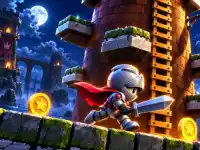
Tower Platformer 3D uses click or tap to jump as you climb a ruined tower. Look for the next surface and watch when you are in a position to jump toward it. The visual spacing between platforms gives you a cue you can learn. If the game also shows coins along the route, check whether you can reach them on a jump you already understand. Try a more awkward pickup after you have spent a few climbs learning how the safe path works.
A fall gives you a specific location to think about. Recall whether you made the jump while you could still see the target or acted after the useful moment passed. Observe the next climb until you reach a similar arrangement. Try a small timing change and follow the scene until the character lands. The useful result is knowing what the change did, whether it adds height to the run or helps you stay on a particular platform.
Use a landing to plan the following move
Check whether the current platform has room for a long approach or gives you just enough space to act. On a broad surface, line up with the opening ahead before you gain speed. On a narrow one, use the part of the path you can see clearly and give your attention to the next landing. Think of that landing as a starting position. Being far enough from its edge can help when the next obstacle asks for a turn or another jump soon afterwards.
When you try a different game, pay attention to the feedback it provides for a missed jump. A timed stage gives you a route you can practise from the beginning. A climb can make you recognise repeating shapes as the scene rises. Both styles reward a short observation you can carry into a retry. Choose one type of landing to improve before trying to improve the entire course.
Build a first route you can repeat
Open the speedrun game to practise turning a series of short movements into a smooth route. Pick the tower for a timing challenge built around climbing one surface at a time. On your first session, remember one jump you would like to make again. Find what made its approach work and watch where the character finishes. That will give you a useful reference when a later level asks for the same skill in a different layout.