Begin with naming the pictures
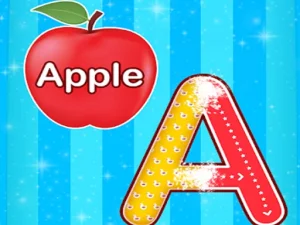
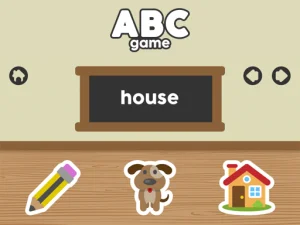
ABC game, from nau.kids, presents a word with a choice of illustrations. Its verified explanation shows the word juice above pictures including a drink, an umbrella and an apple. The activity asks the child to associate the complete written word with the object it names.
Before selecting, name the pictures together and look back at the word. Use a mouse click or touch selection on the matching image. A child who recognises one initial letter can still benefit from checking the rest of the word. The aim is a meaningful association with the object, rather than a fast response to the first familiar shape.
Make a finger quantity concrete
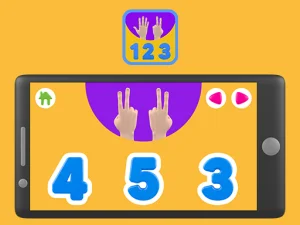
123 game is another nau.kids activity, this time using pictures of raised fingers. Count the quantity shown and select its written number by clicking or tapping. The pictured hands offer something the learner can reproduce with their own hands before choosing an answer.
Count each raised finger once. Saying the count aloud can help keep track when more than one hand appears. An adult can show the same quantity and ask the child to compare the picture with the real fingers. This creates a connection between what is seen, what is said and the numeral selected.
Let the child explain a choice
A short explanation makes the activity more informative. Ask which picture belongs to the word, or how the child knows the number of fingers. Listen to the answer before making the next selection. If the explanation shows uncertainty, return to the particular picture or quantity that needs attention.
For an incorrect choice, describe the difference rather than immediately selecting another answer for the child. A drink and an umbrella have different names; a group of fingers can be counted again from a clear starting point. Keep the explanation brief enough that the next turn still feels like play.
Separate understanding from using the device
Some hesitation can concern where to click or how a touch selection registers, rather than the word or number itself. Establish the input with one deliberate action and wait for the response. Once the learner knows how to select, the subject of the question can receive more attention.
Allow the child a clear view of the picture while responding. On a touch screen, a hand covering the illustrated quantity can make counting unnecessarily awkward. Looking first and selecting afterward gives the learner a chance to finish the reasoning before the gesture begins.
Use a manageable session and a familiar return point
Choose word-and-picture matching when naming objects and recognising written words is the activity of interest. Choose the finger pictures when you want to practise quantities and numerals. These are distinct tasks; completing one does not automatically demonstrate readiness for every other game in the broader educational catalogue.
End with something the child can recognise again, such as a pictured object or a quantity shown on their hands. Returning to that familiar reference can make another session easier to begin. The collection provides activities for practice through play, not a promised reading result, a diagnostic assessment or a verified record of development. Follow the individual game's prompts and the learner's response when deciding how much to do.