Work out what information each move gives you
Before selecting something, inspect the current state. Notice which parts are known, which remain uncertain and what the proposed move would change. This gives the action a reason. Afterward, compare the result with the expectation before making another choice. Several rapid inputs can conceal the moment when a plan stopped fitting the board.
Different puzzles reward different kinds of planning. A letter guess can test several possibilities at once. Moving a product can free a shelf but occupy another useful slot. Rolling a block changes its position and its stance. Choose a game whose type of reasoning interests you, then learn that title's specific restrictions rather than applying one universal solving method.
Use word feedback deliberately
Wordle opens a version with a Daily Word activity and five-letter guesses. Six rows limit the attempts. Green marks a correctly positioned letter, yellow indicates a letter that belongs elsewhere and grey gives unsuccessful-letter feedback. Compare all completed rows before choosing another word. A guess that ignores known positions spends an opportunity without addressing the information already available.
Check whether the entry was accepted. An invalid-word message does not provide the same evidence as an evaluated guess with coloured letters. Correct the entry through the visible controls, then examine the feedback when it arrives. Keep the word you are considering separate from what the board has actually confirmed.
Make room and manage orientation
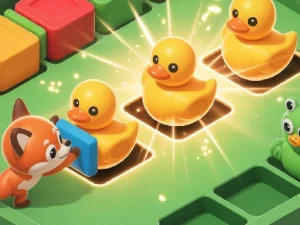
Goods Sort Match Puzzle uses product shelves, empty slots and matching triples. Drag an item into an available slot, bringing three identical goods together on a shelf to clear them. Temporary space can be useful for arranging a later match. The timer adds pressure, but filling every opening with unrelated goods can make the next useful transfer harder to find.
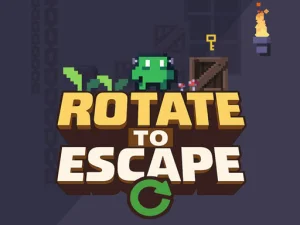
TideRoll: Block Puzzle asks for a wooden block to finish upright in a goal hole. WASD, arrows or mobile direction buttons roll it across platforms. Orange tiles break under an upright block and need a flat crossing. Switches, bridges and the undo option make it valuable to review how a move changed the route, rather than considering location alone.
Break a difficult layout into a specific question
When you feel stuck, name the immediate obstacle. You may need an empty shelf slot, a letter that distinguishes two candidates or the position directly before an upright block finish. A focused question is easier to test than replaying a long sequence without knowing why it should work. Preserve a part of the solution that is reliable while you reconsider the uncertain step.
Use another attempt to learn, not only to act faster. If a game offers undo, inspect the state before and after a questionable move. If it limits attempts instead, pause before committing. Check the selected game's own saving and restart behaviour when leaving a session; the puzzle label does not establish how progress is retained. Choose another card when you want a different problem structure, and read its rules from the beginning.
In a timed puzzle, identify one promising move before acting, then check the space it creates. In an attempt-limited word puzzle, compare the next guess against the accumulated clues first. These are different pressures: responding to a timer should not become a habit you automatically carry into a game where thought preserves attempts.