Puzzleblock games can use a block as a moving character or as part of a matching board. Start by looking at what changes when you act. In a movement puzzle, a change in direction or gravity can take a block to another surface. In a matching puzzle, a swipe or selection can affect pieces around the one you touched. The first goal is to read that response so you can plan ahead by one move.
Last Updated:
Find a landing before flipping the box
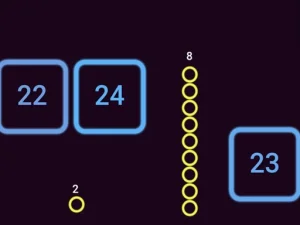
In Gravity Box, you flip gravity to move a box through a course with traps. Think about the surface the box will travel toward after the input. Look along that path before changing gravity. A spot can appear open while still leading past a hazard on its way to the next surface. A good flip takes you toward a useful position and leaves you a way to continue when the next decision appears.
Try one early section several times while focusing on the same visual feature. It might be the edge of a safe area or the point where a trap first comes into view. Change the timing of the flip slightly and watch whether it takes the box past that reference at a better point. When an attempt ends, recall what the box was doing just before you acted. That helps distinguish a wrong destination from a good destination reached at a difficult moment.
Use the next match to choose a move in Cube Master
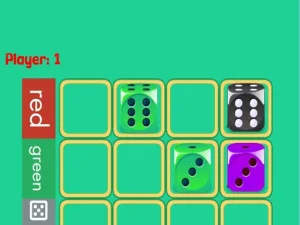
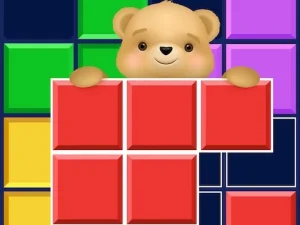
Cube Master uses colourful cube arrangements and matching actions. Follow the displayed controls to check how pieces move or clear in the current puzzle. Look for an opening match with a result that you can follow. Check which parts of the board become easier to reach after the action. A move near a busy section can be useful if it reveals a new set of choices. A move elsewhere can be just as useful if it makes room to work toward a requirement you can already see.
When the board becomes crowded, look at two possible moves before choosing one. Predict which pieces will stay useful in both arrangements and where a new opportunity might appear. Act on the choice that gives you a clearer path, then compare the result with what you expected. This habit can help you keep more of the visible options in mind without trying to solve the whole board in one step.
Check how the board stores information about the last move
In a movement puzzle, you can often learn from the position of the block after the movement ends. Look at which surfaces are reachable from that point. In a matching puzzle, you can learn from whatever stayed on the board and from the spaces a match opened. Keep your attention on that new state. The old arrangement can explain why you made the move, and the new arrangement gives you the information for the next choice.
If you retry a level, start with a question about one moment. Did a gravity change begin before the box had reached the right area? Did a match use up a piece that could have helped connect two other parts of the board? Try another action at that moment and see how the situation changes. One comparison you can observe is worth more than several guesses made quickly on the new screen.
Decide which kind of block puzzle you want today
Choose Gravity Box for motion and timing through a course. Open Cube Master for the chance to inspect matching opportunities in a changing arrangement. Both games make the effect of a decision visible. Make an opening move you can follow carefully, look at what remains possible and use that result to choose a second one. After a few tries, you will know which puzzle gives you the kind of feedback you like working with.