































How Popular Video Games Inspired Casino Theme Mini-Games
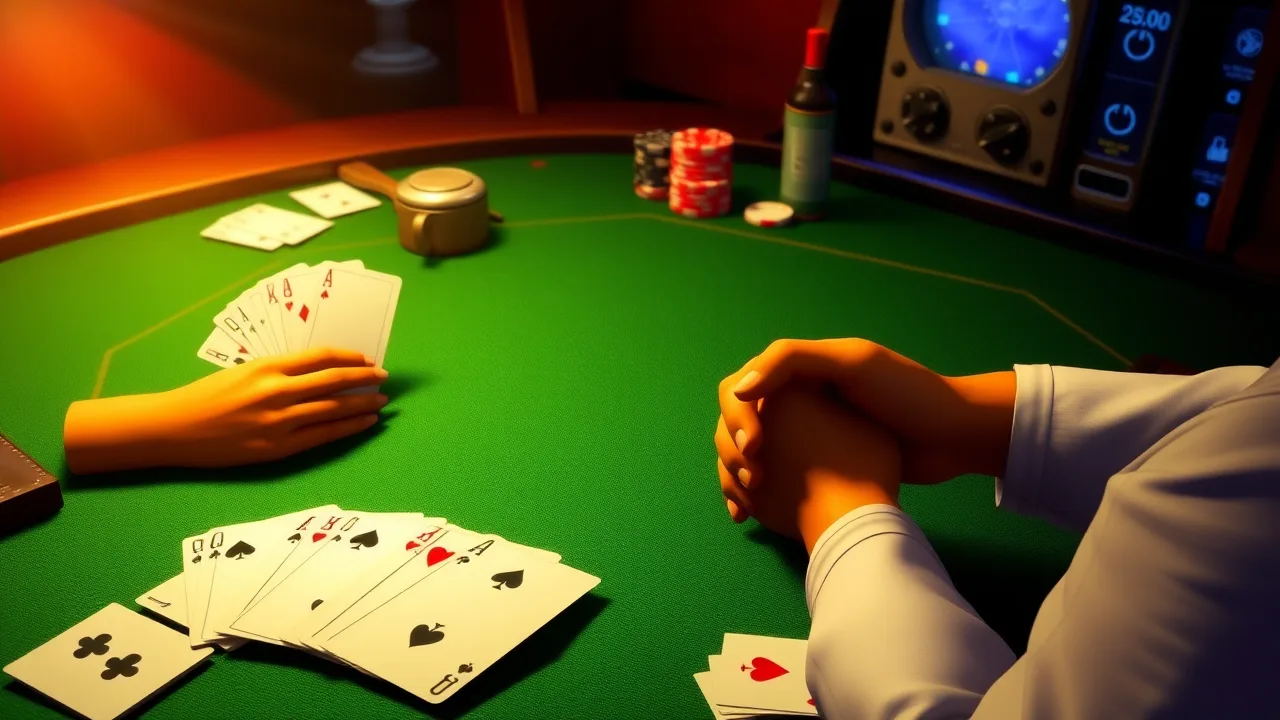
Open-world adventures and life sims have stealthily become two of the best genres for a quick hand of cards or a few spins on the reels. Whether around the story-focused tables of westerns or in hidden parlour rooms in niche farm sims, the language of casinos has repeatedly been drawn upon by developers as a way to provide satisfying side activities. This is not by accident. The reasons are that casino games are simple to learn, there is a simple loop of risk and reward, and they provide a social or roleplay break from fighting or crafting.
The Crossover That Clicks for US Audiences
Poker and blackjack are cultural staples in the US, so it’s no surprise they show up in video games. However, local laws can make a difference. Some states, like Utah and Hawaii, ban most forms of gambling, while others, like Nevada and New Jersey, have big casino hubs, the latter being one of only seven states so far to have a regulated iGaming industry. Despite its strict gambling laws, players from Texas, a state that loves poker and casino games, will enjoy how games like Watch Dogs and Red Dead Redemption 2 have mini-games for Texas Hold'em, slots, and blackjack.
These are a fun way to experience casino fun short of trying out real money gambling platforms accepting players from Texas. Those platforms appeal to gambling enthusiasts because they offer faster payouts, player bonuses, and more games. However, in-game activities are for entertainment, not for cash. This keeps the focus on theme, character, and story, not outcome.
This feels natural for many players who like the design of card and table games but prefer the safety and creativity of virtual spaces. Watch Dogs drops Texas Hold'em tables into Chicago hideouts, Red Dead Redemption 2 seats you at smoky frontier saloons, Stardew Valley has a blackjack table behind a desert speakeasy, and Fallout: New Vegas rebuilds an entire Strip where you can sit, bet, and roleplay as a high roller.
How Developers Translate Casino Play into Game Design
Video games become increasingly popular as a mainstream form of entertainment, and industry data reveals that most studios rely on traditional video game experiences, such as poker, blackjack, and slots, to increase immersion and help with longer play times.
These mini-games certainly do not seek to act as replacements for full casino products. They serve to populate worlds, pace stories, and provide players with skill challenges that are brief and embedded within a larger narrative.
Mini games are successful when they respect the rules of the tabletop, are quickly learnable, and have mastery rewards. The developer begins with a basic loop, like hit or stand in blackjack, and adds thematic variations that are consistent within the game world, such as tells, collectible chips, or narrative stakes. Ratings are important too: simulated gambling is noted in US ratings, players and loved ones are aware.
Case Studies
Poker in Rockstar’s frontier epic is deployed in the service of selling the sensation of aliveness West. Making your way to sit at a table alters the tempo, brings convincing means to socialize, and allows players to probe the limits of their nerves outside of missions.
Retrospectives continue to highlight the ways in which these slower diversions enhance the experience years down the line. Poker is not merely a way of life; it is world-building.
For a laid-back blackjack game, Stardew Valley has CalicoJack, a variant suited for the pace of the game, in the Oasis back room. It is non-mandatory, thematic, and promotes safe-risking in the sense that it does not involve real money. The game has stayed current with major updates through 2025, with more on the way, which keeps systems like the Casino in the conversation. For broader audiences, it’s a model of how to include gambling-adjacent activities safely, clearly labelled, and wrapped in a friendly tone.Fallout: New Vegas continues to be a touchstone for combining casinos and roleplay. It replicates the rhythm of the Strip through tables, chips, and patter, which in turn feed back into quests and faction politics. Despite the distance, local media coverage of the film demonstrates the continued relevance of the imagery, as the idea of searching for the hidden becomes tourism packages and hints of Las Vegas’ casino past.
Why These Mini-Games Stick: Psychology, Pacing, and Narrative
Casino play is a great example of strong mini-games as it incorporates rapid feedback, clear odds, and social theatre. They reset attention between quests, are low-pressure roleplay, and can be easily themed. Designers can lock tables behind quests to teach the mechanic, associate winnings with cosmetic items, or make card nights a story beat.
With the US discourse regarding loot boxes and gambling more generally still developing, clear labeling and rating systems are firmly placing these features where they should be, according to expectations. It does so in ways that encourage trust and allow teams to retain the fun portions of the casino culture, the banter, the drama, without the ambiguity.
Practical Tips for Developers
Start with authenticity: choose one game like Texas Hold’em or blackjack and have clean rules with crisp UI. Bind etiquette to AI behaviours: tells, fold logic, banter, so hands feel social. Keep rewards cosmetic or narrative, and don’t add power creep. Fun crossover concepts like the way 5 Nights at Shrek Hotel blends horror and comedy with a lovable franchise are a great way to offer natural engagement. Another good way to build engagement is to teach with micro-tutorials, then escalate stakes slowly and respect rating guidance by labelling simulated gambling in store pages. Seasonal events can bump up table attendance and refresh older hubs.
Player Tips
Use mini-games as palate cleansers, not main goals. Sit when your character needs money, information, or a break. Set a chip budget and step away when you hit it to keep it fresh. Learn one basic strategy, like avoiding high-risk hits in blackjack, and treat wins as bonuses. If the game has a manual or tutorial table, spend a few minutes there so you understand the variant rules.
Compliance, Ratings, and Why Labelling Matters
As rating boards refine how they label simulated gambling, developers are also getting better at presenting these systems responsibly, with clear content descriptors and sensible boundaries. That mix of authenticity, clarity, and charm is why casino motifs are more common than ever in modern hits.
In the US, ratings boards now call out simulated gambling clearly, and storefronts often spell out when slot machines or card tables appear. That clarity helps players make informed choices and gives developers a framework for thoughtful design.
The Bottom Line
Casino-themed mini-games work because they fit how we already play: quick loops, clear stakes, strong vibes. They let worlds breathe, add personality, and give players a place to relax or roleplay. When a saloon table, neon pit, or back room has clean rules, teaches well, and rewards lightly, it enhances everything around it. That’s why you see them and why they still feel fresh.