






























Mastering the vex 5 game: clean runs, clutch saves, and no rage-quits
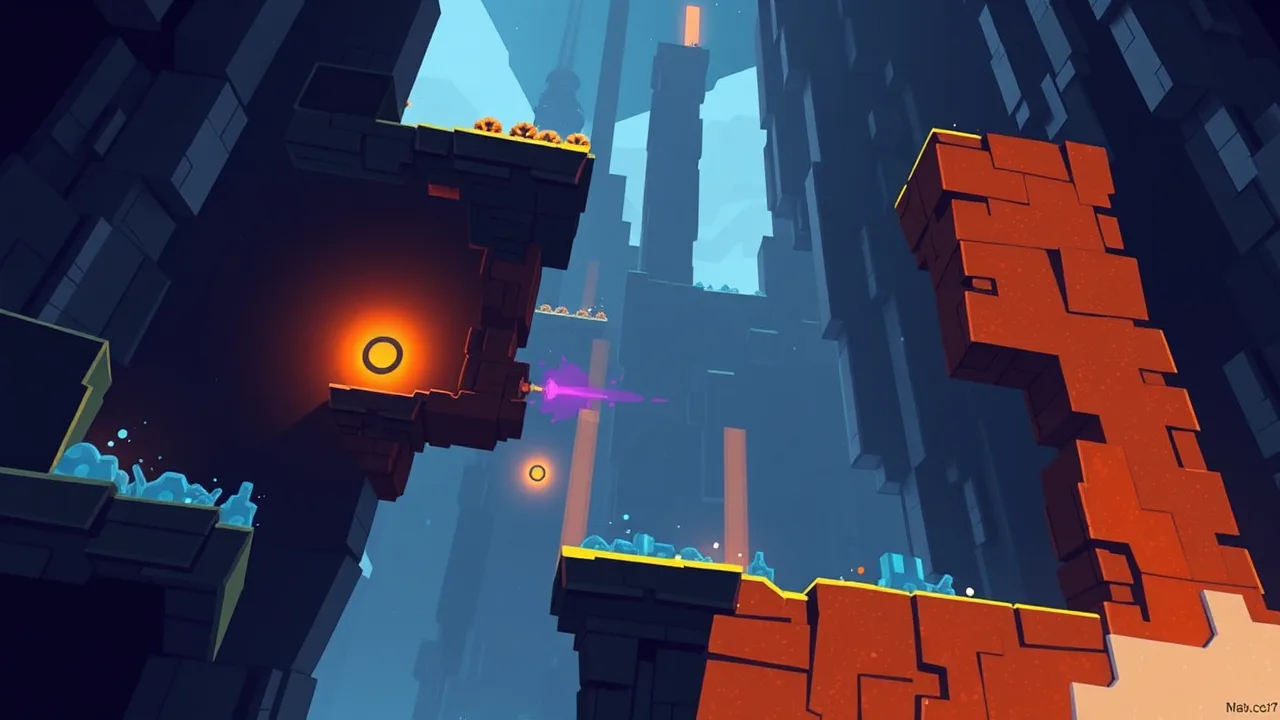
If you’re here, you already know the vibe: tight platforming, impossible-looking traps, and that one saw blade that always seems to “accidentally” clip your ankle. The vex 5 game is a pure skill test with old-school precision and modern parkour flow. Below is your complete guide to playing smarter, not sweatier so you can sprint through Acts, conquer the Challenge Room, and keep your retries to a minimum. You can jump in right now on this playable page and put everything to work as you read. For a bit of background on how the genre works as a whole, the mechanics here live and breathe inside the tradition of classic platform games, so timing and route knowledge matter more than twitch reflex alone.
🧭 Quick orientation: what you’re actually dealing with
In simple terms, you’re steering a stick-figure through death gauntlets. The level design leans on clean geometry and high-contrast hazards: spikes, saws, drop-away tiles, zip lines, elevators, launch pads, and switch-gated paths. Most Acts play like speedrun puzzles: you’re learning a line, smoothing it, memorizing every micro-trap, then stitching it together into one confident flow.
A few fast facts that help set expectations:
-
The series follows the classic browser platformer format with discrete Acts and optional marathon modes where your consistency gets tested, not just your raw speed. The vibe is very “learn the route, then perfect it.”
-
Many players talk about the “Challenge Room” as the place where your fundamentals get audited. Expect stacked micro-trials that punish lazy movement but reward clean rhythm. There are 30 floors in that mode, and clearing it awards a specific badge, so it’s basically your graduation exam.
-
You’ll see releases cited around late 2018 and 2020 on various portals; what matters for you is that the modern web version runs on plain HTML5, so no plugins needed. One portal lists an October 2018 note for the brand entry, while another lists a November 2020 date for the web build helpful context if you’re curious about versions.
🕹️ Controls and feel: don’t fight the physics
Momentum is your friend. The engine is tuned to make short hops, buffered inputs, and “edge grabs” feel consistent. If your jumps seem late, adjust your mental timing to land right before edges rather than on them. Also:
-
Tap jumps for micro-heights over low spikes; hold jumps for clearances with vertical saw sweeps.
-
When a platform crumbles, commit. Hesitating costs you two tiles instead of one.
-
Zip lines want you centered; if you slide in off-angle, you can clip a hazard you didn’t even see.
Treat it like a rhythm game. You’re not reacting to traps; you’re playing a beat across the stage layout.
🏁 Act strategy: how to learn a route in under 5 minutes
Here’s a repeatable micro-plan you can use for any Act:
-
Scout run: Don’t sprint. Walk the stage and intentionally trigger every trap once to see reset timings.
-
Segment practice: Break the Act into three mental chunks. Practice the hardest chunk first while you’re fresh.
-
Linking reps: Run chunk A into B, then B into C, then A into C. Your brain needs the transition timings more than the isolated tricks.
-
Confidence rep: Shoot for one clean full-Act run without stopping. If you scuff, reset immediately instead of salvaging; this trains perfect muscle memory instead of “panic routing.”
If you’re stuck after 10 minutes, swap Acts. You’ll often return and crush it with fresh eyes.
⚙️ Hazard playbook: what to do when the map hates you
Spinning saws: Move on diagonals when possible; horizontal passes give you less vertical correction time. If a saw is sweeping toward you, step in early and pass behind it rather than waiting for it to leave.
Spike corridors: Short-hop with minimal horizontal drift. Think three taps, not one big floaty jump.
Crumble blocks: Pre-aim the landing after the crumble. The trap is rarely the first drop; it’s the awkward recovery where players overjump into a blade.
Arrow launchers: Bait the first shot from cover, then flow through the shot window. Don’t try to out-run a fresh volley.
Elevators and lifts: Step, don’t stand. Rock your stick-figure forward and back to keep micro-control so a sudden ceiling hazard doesn’t bonk you.
Water and buoyancy sections (if present in your version): Commit to a clean line across; vertical dithering creates collisions you could have avoided with one decisive glide.
💨 Movement tech tier list: S, A, and “fix this”
-
S-Tier: Corner trims. Cut every corner where a hazard isn’t guarding the inner line. Corner trims shave seconds and reduce time you spend near moving traps.
-
S-Tier: Buffering jumps. Input the jump on approach, not on the pixel. The physics are consistent and reward early buffering.
-
A-Tier: Slide-cancel on down slopes. If a slope feeds a jump, a tiny pre-jump cancels skid and gives you a clean launch.
-
Fix this: Panic stutter. The small stop-start taps panic players use near saws will get you sliced. Either commit or reset.
🧱 Checkpoints and psychology: build a win streak on purpose
When you hit a checkpoint, don’t instantly yolo into the next hazard set. Take two breaths, scan for moving traps, and choose a start rhythm. Players who pause for one second after a checkpoint fail less in the following five.
If your brain spirals after a cheap death, pad your win column by replaying the previous segment and perfecting it twice. You’ll return to the choke spot calmer and faster.
🏆 Challenge Room clinic: how to pass 30 floors without tilting
Treat the Challenge Room like speed chess:
-
Learn in fives. Floors 1–5 should be free. If they aren’t, fix mechanics before pushing deeper.
-
Two-life rule. If you die twice on the same floor, back up one floor and clear it once to reset your focus.
-
Trap decoding. Many floors use visual “tells” for timing. If a saw starts moving when you touch a platform, that platform is the metronome use it as your count.
-
Flow over freestyle. Don’t experiment mid-run. Set a line during practice, then respect your own plan.
It’s a real 30-floor gauntlet, and getting the award for finishing it feels earned, not handed out.
🧪 “Why am I always dying here?” Troubleshooting table
-
Symptom: You clip the last tooth of a saw on landings.
Fix: Aim to land one tile earlier and let momentum carry you, or add a micro-tap before the jump to flatten your angle. -
Symptom: You miss zip-line grabs.
Fix: Approach centered and slightly below the line. Jump too high and you’ll catch the wrong arc. -
Symptom: Crumble chain collapses too fast.
Fix: Pre-plan the next two tiles, not one. Think “tap-tap-hold” rather than three equal taps. -
Symptom: Arrow towers delete you after a checkpoint.
Fix: Step out, bait one volley, step back, then go on the reload window.
🧠 Practice blueprint: 20 minutes that actually makes you better
-
Warmup Act: Choose a mid-difficulty Act you’ve already cleared. One clean run.
-
Mechanic drill: Ten reps of short-hop corridors.
-
New Act learn: Four scout runs, then one linking run.
-
Challenge Room slice: Five floors, no retries. Note where you failed, but don’t grind.
-
Confidence close: Replay the opening Act for one last clean.
That’s it. You’ll improve daily without burning out.
🗺️ Where to invest your time first
-
Acts with early checkpoints. Early anchors mean faster learning because you’re spending more time on the hard back half.
-
Acts heavy on verticality. They teach jump buffering and corner trims the two skills that pay dividends everywhere.
-
A short, punishing Act. You’ll discover your bad habits quickly and can fix them before they calcify.
🧩 Collectibles, trophies, and why 100% is worth it
Earning trophies forces you to master multiple approaches, not just your main-path line. Speed trophies push routing and corner trims; survival trophies teach risk management; exploration-style goals nudge you into alternative routes that often become your new best line. Some portals also emphasize achievements and timed marathons, reinforcing consistency under pressure.
🚀 Put it into action: your first hour plan inside the vex 5 game
-
Minute 0–5: Open the game at this link. Toggle full screen, settle your key binds, and do two calm scouts on an early Act.
-
Minute 6–20: Drill the hardest segment three times, then link it with the segment before it. Reset on scuffs.
-
Minute 21–35: Take a first swing at a vertical-heavy Act. Work on buffered jumps and inner-corner trims.
-
Minute 36–50: Do a five-floor Challenge Room slice to test your rhythm under pressure.
-
Minute 51–60: Speedrun a learned Act for one clean PB. Stop on a win, not a tilt.
By the end, you’ll feel the physics instead of fighting them, and your clear times will reflect that.
🧨 Pro tips that feel like cheating (but aren’t)
-
Pre-aim camera edges. On long sprints, glance to the far edge of the screen, not at your character. Your hands follow your eyes.
-
Set a death budget. Five deaths per Act in practice. If you hit the budget, change scenes. It protects your focus.
-
Name your lines. “Left-wall zip,” “Double-tap tunnel,” “Saw-S-curve.” It sounds silly, but labels make mental recall faster when you’re one breath from a clear.
-
Respect the first jump. Most failed runs start on jump one. If your opener is sloppy, reset immediately.
📝 FAQ about the vex 5 game
Q: Is the vex 5 game beginner-friendly, or do I need cracked platformer skills first?
A: You’re fine. Early Acts teach fundamentals without heavy punishment. Use scout runs, then ramp up. Your ceiling is high if you focus on buffered jumps and corner trims first.
Q: How many Acts and special modes should I expect?
A: You’ll get a solid set of Acts plus a separate Challenge Room with 30 micro-floors and a completion award. It’s the right balance of learnable content and long-term mastery.
Q: I keep failing by a pixel. What setting or trick fixes that?
A: No magic setting. The fix is rhythm. Practice short-hop corridors for ten reps; it calibrates your internal metronome so you stop over-floating into hazards.
Q: Do I need to speedrun to enjoy the vex 5 game?
A: Not at all. Speedrunning is optional. Many players chase trophies, marathons, or personal “no-death” goals instead of leaderboard times.
Q: Are there big differences between the vex 5 game versions I see online?
A: Portals sometimes list different release notes or platform tags. The modern HTML5 version runs in a browser with no plugins, which is what most people are playing today.
Q: Any mental tricks for the Challenge Room?
A: Work in five-floor chunks, respect a two-life rule, and back up one floor after repeats. It keeps your focus clean over 30 floors.
🧭 A small reality check (and why you’re going to win)
Skill platformers aren’t about luck; they’re about reps with intention. If you show up with a plan scout, segment, link, PB you’ll improve daily. When the traps feel unfair, that’s usually your cue to breathe, refocus on rhythm, and trim a corner you’ve been rounding wide. The design rewards mastery. It really is that simple.
And hey, you don’t need to become a robot to clear hard Acts. Keep the sessions short, celebrate small wins, and let your hands learn while your brain chills. The result is flow: you blink, and your stick-figure just threaded a corridor you once thought was impossible.
🧡 Final word for players who want to stick with it
The vex 5 game shines because it respects you. It doesn’t waste your time with fluff, and it never lies about its rules. Everything is readable; everything is learnable. If you bring consistency and a bit of stubbornness, you’ll cruise from messy first runs to clean, satisfying clears. Save your best lines, name your choke spots, and keep the rhythm tight. That’s how you go from “How is this even doable?” to “Why did that feel easy?”
Now hit that Play button, and go make the saws look silly.