


Baby Hazel
The Baby Hazel category contains a small selection of character-themed activities, alongside other child-themed cards. Baking, kitchen scenes and outfit choices appear in the current catalogue, but not every card on the page belongs to the same named character series. Check the actual destination when choosing which activity to open.





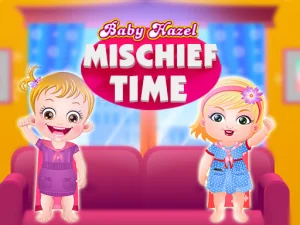

Follow the task shown in the current scene
A character-led activity often communicates the next step through a prompt or an available object. Read that information before selecting several things at once. Establish what an interaction changes, then look for the response that confirms the step is complete.
For an outfit choice, compare the available items in the context of the scene. For a kitchen activity, keep the current ingredient or object requirement in view. These are different ways to use the selection, rather than promises that every game contains the same wardrobe, recipes or care tasks.
Choose the activity as well as the character
A recurring character can help identify a theme, but the activity still matters when choosing a game. A kitchen scene, an outfit selection and another guided situation can require different kinds of attention. Read the actual card and opening objective to decide which experience you want rather than expecting every entry to continue one shared story.
The collection also contains nearby child-themed activities that are not all named Baby Hazel. Use the title to confirm the destination when a particular character is important to your choice. Once the game opens, let its own scene establish the task, available objects and controls instead of importing a sequence from another title.
Follow a guided scene one request at a time
Identify the current request before selecting an object. If a character or interface points your attention toward part of the scene, inspect that information and connect it with the action you intend to make. One understood selection provides a better basis for continuing than several quick choices whose individual effects are unclear.
After acting, watch for the response that shows what changed. The game may present another request or make the next object relevant. Compare the new situation with the previous one before repeating the same input. This makes the sequence easier to follow without assuming that every activity uses the same cues or task order.
Give creative choices a clear reference
For an outfit-themed activity, begin with the options that are actually available and the scene's current purpose. Compare one selection in context before changing several more together. A deliberate comparison helps you see which part of the appearance changed and whether it fits the result you were trying to create.
Where the game provides a guided objective, follow that requirement before treating the scene as unrestricted design. Where it offers a choice of combinations, use those choices to explore a style. The distinction between following a prompt and making a personal creative decision keeps both kinds of activity understandable.
Share the activity through the next understandable step
When helping a younger player, read a new instruction together and identify the part of the scene it concerns. Let the player observe the result of one action before suggesting several more. A short visit can focus on finishing a single understandable task instead of rushing through an entire sequence.
Before stopping or changing games, inspect the actual menu and progress information. Familiar character artwork does not establish that two entries share a save system or that an unfinished scene will transfer between devices. Choose a stopping point using what the selected game displays, then use the related categories when a different theme would better fit the next session.
Choose a theme without assuming a shared ruleset
The Cooking collection provides more food-themed activities when the kitchen setting is what you want. The Baby category includes a broader mix of character care, colouring and other simple activities. Each entry has its own objective and available controls.
When playing together with a younger player, take time to read a new instruction and let one action finish before choosing another. Use the actual interface to decide what happens next instead of treating the scene as real-world care or cooking guidance.
Inspect the selected game's menu for its own progress options. A recurring character or familiar visual style does not establish a shared account, automatic saving or a complete set of identical features across the collection.