Read the whole visible arrangement
A clear view of a platform does not automatically explain how to reach it. Identify the starting position, the intended landing and any obstacle between them. In a puzzle, look at the destination and the objects that can change its access. Giving the next action a visible target helps you judge the result instead of making several inputs without seeing which one mattered.
Notice whether the scene changes after an action. A new landing, an opened passage or a released object can alter what is sensible next. Plan from the state actually reached rather than continuing a sequence imagined before the first move. This is especially useful when a screen contains several attractive routes or targets.
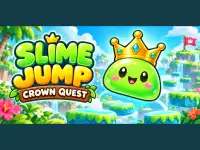
Plan a launch in Slime Jump: Crown Quest
Slime Jump: Crown Quest uses a hold, aim and release action to send a slime toward a crown. Mouse and touch controls are documented. Its 150 levels provide platforms that need to be reached in sequence. Choose a landing point before releasing, then look at the angle available for the next jump from the position you actually reached.
If a launch misses, change one part of the aim while keeping the target familiar. A short fall and travelling beyond a platform are different outcomes. Watching the complete movement makes the next adjustment more informative than releasing another launch immediately because the character is ready.
Mix movement with encounters and investigation
Soul Essence Adventure begins with escaping a dark castle. A/D or horizontal arrows move, W or Up jumps, S or Down rolls and Space attacks. Interaction, transformation and inventory have separate commands. Learn which action the immediate situation needs before combining an uncertain jump with an approaching enemy.
An inventory or transformation command is something to inspect through the current game. Its existence does not establish that every form or resource is immediately available. Follow the prompt and the visible result, then reconsider the route. Movement and combat can support the same escape without becoming identical decisions.
Castle Crashers: Stolen Sun provides another associated example, with a 2D knight, guards and environmental levers. Its route can require both combat and an interaction. Comparing it with Slime Jump makes the distinction useful: one flat view can frame an aimed launch, while another follows movement and fighting through a kingdom. Read the particular action required before approaching the next obstacle.
Choose a useful first-session goal
Try learning one movement sequence, understanding one interaction or recognising a more reliable landing. Keep the aim small enough that you can tell when it improves. A session does not need to end with the whole adventure completed to provide a clear lesson about the game's controls.
Check the selected title's restart and pause options rather than assuming every 2D game handles an attempt in the same way. If a retry is available, preserve the part of the opening that worked and change the uncertain step. This makes the result easier to interpret.
When browsing another card, compare the role of the screen: is it a route to cross, an area to investigate or a puzzle arrangement to reorganise? Learn the new input method afresh. The collection shares a way of presenting space, while each game supplies its own objective, pace and actions.