Set up the two keyboard roles before playing
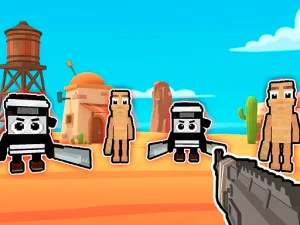
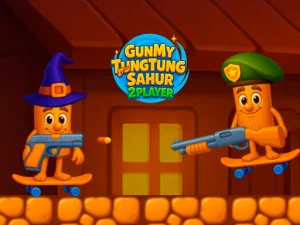
In GunMyTungtungSahur 2Player, the red character uses WASD movement and the blue character uses the arrow keys. Agree on those roles before the contest begins. Make sure both players can reach their controls and recognise which character responds to them.
Give each player a short opportunity to test movement without trying to judge the match result immediately. This establishes the response for the selected side. If an action is unclear, read the loaded instructions rather than adding a firing key remembered from a different shooting game. The verified published text establishes the two movement layouts, not every possible additional binding.
Watch the opponent while considering a weapon drop
Falling drops supply more powerful weapons. A pickup therefore creates a reason to change position, but the movement toward it also changes the contest with the other player. Look at where the opponent is and what space remains available before approaching the item.
Try not to follow the drop so closely that the other character disappears from your attention. The useful question is what the new position lets you do after reaching it. An attractive item can still be a poor immediate target if the approach leaves you unable to respond to the opponent's movement.
Understand what ends this particular contest
The supplier states that a player loses after receiving twenty hits. Follow the current game's outcome feedback while playing. That rule belongs to this verified title and should not be transferred to every other member of the collection.
A match review can focus on the choices that led to those exchanges. Notice when pursuing a drop improved your position and when it left you exposed. This gives both players something more specific to compare than the final winner alone.
Make another round a fair comparison
Before changing several things between rounds, choose one question to test. A player might watch the opponent more carefully during a pickup approach or move toward a drop from a different direction. Keeping the question small makes its effect easier to recognise.
Switching sides can also help each person understand the keyboard arrangement, provided you clearly agree on the roles again. The purpose is to learn how the character responds under the current layout, not to assume that one colour supplies an undocumented advantage. Read any additional options from the actual player rather than inventing them for the comparison.
Test movement while the other player uses their own keys as well. This helps both people recognise the shared layout before a contested pickup makes the screen busy. If a control is unclear, resolve that input question first; it is different from choosing a poor route toward a falling weapon.
Choose the kind of shared session you want
Pick this game when both people want a local competitive contest and can comfortably share the available keyboard. If the intended session is cooperative or involves players on separate devices, inspect another card's real features before choosing it. The collection name alone cannot settle those requirements.
For a short session, agree on a stopping point between completed matches and keep the controls clear when restarting. Let each person describe one useful movement or pickup decision from the last round. The value of the collection is finding an activity that actually fits how you want to play together, then learning that game's particular objective and inputs.