Learn the action that matters first
Start with a small movement and observe its complete result. A jump can continue after you release an input, while an attack may need you to stand within a particular distance. Learn the basic response before combining several buttons. If you press movement, attack and another ability at once, it becomes harder to tell which action caused a mistake. A short, repeatable test gives the next attempt a more useful starting point.
Look beyond the immediate obstacle. Reaching a platform or getting close to an enemy only helps when you understand what comes afterward. Decide where you want to finish the action, then compare the actual result with that plan. Small differences in the landing or spacing can explain why the following move became difficult.
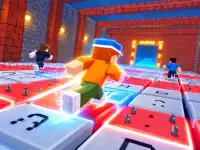
Read a parkour sequence in Vex 7
Vex 7 puts a stickman among spikes, shooting knives and falling blocks. Its opening tutorial introduces the main movements, and the double-jump potion changes which areas can be reached. Security cameras can trigger lasers. These are reasons to inspect the route rather than rushing toward the first apparent gap. Follow the prompts in this version when learning the movement.
Give a retry a specific purpose. You might change the takeoff point for one jump or wait to understand a hazard before entering its area. Keep the part of the route you already understand consistent. Once one section becomes reliable, connect it to the next instead of changing your whole approach after every unsuccessful attempt.
Switch from obstacle timing to fighting distance
The page named Street Fighter hosts Street Fight, a street-brawling game with its own identity and controls. On desktop, the pointer guides the hero and clicking attacks. Touch instructions distinguish a short attack tap from holding and dragging for movement. Learn those interactions before expecting commands from another fighting franchise.
Here, distance from the opponent is the useful reference. An attack attempt from too far away and a hurried approach into reach are different problems. Watch the next exchange before choosing another strike. Coins and shop improvements add decisions between encounters, but an upgrade should have a reason connected to the situation you are trying to improve. Read the currently displayed effect rather than assigning an ability from the item's appearance.
Choose a challenge that suits your attention
A platform route rewards learning a sequence; a brawl rewards noticing changing spacing. Both can offer progress even before a full stage is finished, provided you can identify what improved. If a session is short, choose a manageable target such as understanding one control, passing one trap or recognising a safer moment to approach. That is more informative than restarting several different games before learning any of their rules.
When another action title catches your eye, read its input method afresh. A keyboard tutorial, pointer movement and a held launch gesture describe different physical actions. Check what the chosen game displays for your device, and use its own pause or settings options when available. The collection connects active challenges, while each individual game supplies the details that make its challenge distinctive.
Distinguish a control error from a timing error. Selecting the wrong action calls for reviewing the input, while a correctly selected action used too early calls for a different cue. Keeping that distinction clear makes practice more useful than repeating a familiar button combination with increasing speed.