Animal games give you a way to spend time with a creature theme through a puzzle, a route or a care task. For a quieter session, two options here use animals as clues. One asks you to assemble a picture. The other asks you to put the letters of an animal name in order. Begin by choosing the kind of clue you would rather work with: a picture detail you can see or a word you can build from the letters on the screen.
Last Updated:
Use animal features to find the next picture piece
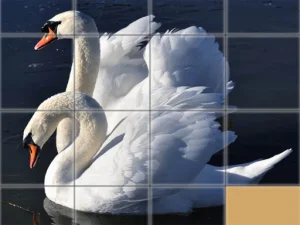
Animal Explorer Puzzle Game gives you colourful animal jigsaws to assemble. Pick a picture with a feature you can identify easily, such as an ear, a tail or the curve of a face. Look for pieces that show part of that feature. Build a small group and pay attention to how colours and lines meet along its edges. You can use that little group to place nearby parts even when the picture has several animals or a detailed background.
If you find a piece with fur or feathers, work out which way its texture points before testing it in a gap. The direction of a line can matter as much as its colour. When two pieces look almost identical, compare which part could continue the outline already on the board. Try leaving the hardest area until the surroundings supply a clearer clue. A small piece may become easier to recognise when more of its neighbouring picture is visible.
Build an animal name from the letters provided
Animal Name Puzzle asks you to rearrange letters into an animal's name. Look at all the letters before moving the first one. Group letters that could plausibly go together, and think about a name that would use the number of places shown. When several answers seem possible, check the remaining letters after each idea. A single required letter that is absent can help you rule out a candidate quickly.
Try changing your starting point if you get stuck. Look at a possible ending and see which beginnings could work with it. If the game provides a hint, use it to recover a clear part of the name and then continue with the remaining letters. A hint can give you a useful position to build around. The goal of a short practice session can be recognising how one reliable clue helps organise a word, even when the first arrangement you try does not fit.
Let partial information guide you
In an image puzzle, you might see enough of a shape to know what animal it belongs to while still being unsure which piece goes next. In a word puzzle, you might know that one letter or group of letters belongs in a particular place. Keep that partial answer and use it to refine the options around it. You can work from more than one promising part at the same time if that makes the next choice easier.
Notice when you are testing the same idea again without another clue. Shift your attention to a nearby part of the picture or try building from another letter. The change can make a different clue easier to see. When you solve a round, remember which detail first made the answer clear. That observation may help you start the next jigsaw or word scramble.
Pick an animal activity you can follow comfortably
Choose the jigsaw when you want to spend time looking closely at illustrations. Choose the name puzzle when you want to recall names and test how their letters fit. In either game, give yourself a first step such as connecting a few pieces around a face or identifying a likely part of a name. Then use that result to decide what to examine next. The animals provide the subject, and the puzzle gives you a clear way to explore it.