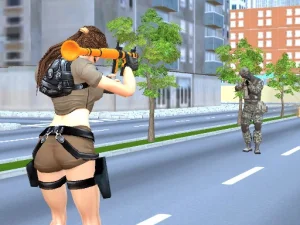
Begin with the named shooter
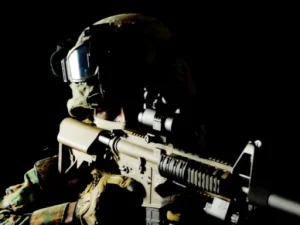
Armed Forces.io is the reference game for the detailed controls here. Its supplier describes locating and eliminating enemies around a map, with movement, aiming and equipment decisions contributing to the encounter. The browser version has its own keyboard and mouse instructions. An .io ending or a military illustration does not establish a particular server population, team arrangement or cross-device feature.
The movement options are WASD or arrow keys. Left mouse click fires and right mouse click aims. Space slides while moving, and Left Shift runs. Learn ordinary movement and the two mouse actions before making several unfamiliar requests at once. This gives you a clearer basis for understanding whether a failed approach came from the chosen position, the timing or an input you had not yet learned.
Recognize equipment actions
The number keys 1, 2 and 3 change weapons, while E or F interacts with or picks up a weapon when the opportunity is present. Read the current prompt and inventory information rather than assuming every slot always contains a particular item. A successful pickup should be confirmed through the visible result before you base the next encounter on equipment you only expected to obtain.
G is documented for throwing available dynamite and H for using an available medkit. Their availability is conditional; the key list does not promise unlimited supplies or a fixed effect in every situation. T is listed for chat. That establishes the input, not a guarantee that every selected activity uses teams or that other players will coordinate. Keep those expectations tied to what the loaded game actually provides.
Compare related cards by their task
Special Forces X and Masked Special Forces are representative names to inspect individually. Helicopter Rescue Games 3D points toward another themed destination, but this collection does not verify that it shares the shooter controls above. A broad military association is not enough to assign the same weapons, objectives or interactions. Check each game's own description and opening instructions before beginning a session.
Other visible cards include general mini-game and .io activities. Their presence makes the page useful for wider browsing, but it also means a shared listing is weak evidence about rules. Decide whether you want direct aiming, another kind of movement challenge or something different. Then choose the destination that actually supplies that activity instead of expecting the collection title to define every game.
Make positioning a concrete observation
In the verified shooter, read the next opening and consider where you could move after entering an area. A useful view can still leave you exposed from another direction. Look at actual map geometry and observed behavior rather than assuming every object provides the same protection. “Use cover” becomes practical only when you know which visible surface and which line of sight you mean.
After an encounter, describe the approach, the intended equipment and the input that caused uncertainty. A rushed weapon change and an exposed route are different problems. Keeping them separate lets you choose a focused adjustment for another attempt. Avoid inventing precise weapon statistics or equipment radii from a general description; use information shown by the current game when evaluating a specific choice.
Continue with version-specific help
The Armed Forces.io controls and positioning guide expands the verified key list and explains how to review an approach without confusing every defeat with an aiming problem. It applies to the named browser shooter. When selecting another card, start again from that destination's own objective and documented controls.
Use a permitted connection and a device on which the required inputs are comfortable. A page opening on a phone does not establish equivalent touch support for a keyboard-and-mouse game. Likewise, an unblocked search label cannot guarantee network availability. Once the selected game is ready, begin with one clear action and confirm the response. Accurate expectations make this mixed collection more useful than a blanket promise of identical shooting experiences.