Ball games make small choices about direction visible. One title might need you to line up a shot so the ball hits several objects. Another might ask you to guide it along a moving sequence of platforms. Look at whether you can choose the direction before the ball moves or keep steering after it is already in motion. This tells you how much of the route you can shape during a turn.
Last Updated:
Aim for the first bounce and what follows it
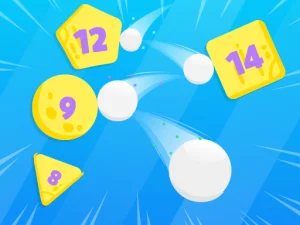
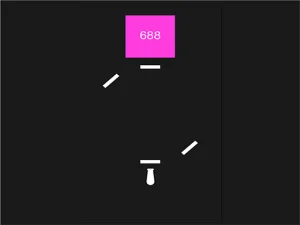
Physics Balls 2 asks you to clear bricks with well-aimed shots. Use the mouse or touch to set the direction and see where the first contact sends the balls next. A direct hit can help remove the brick in front of you. A different angle can send the shot through an opening and let it reach other parts of the board. Look for a useful place to enter the formation before selecting a line.
Watch the shot once you have released it. Try to recognise which surface changed its direction and where it went after that contact. If it returned earlier than expected, pick a slightly different first target on your next attempt. If it reached a new area successfully, remember which part of the opening made that happen. A short observation about the path is more useful than trying to remember every single bounce.
Prepare for the next platform while you roll
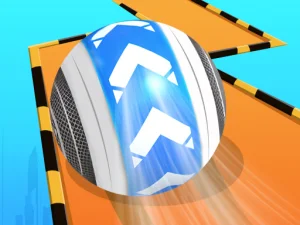
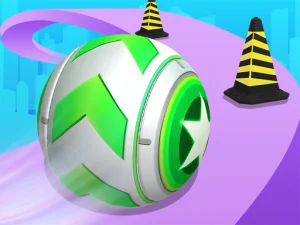
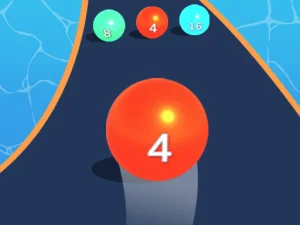
3D Super Rolling Ball Race sends a ball through platforms and obstacles. Use the control shown by the game and look ahead for a part of the surface with room to steer. A small adjustment may be enough if you make it when there is still space to settle. When the route becomes narrow, check where it widens again before choosing a line through it. That gives your steering a useful target beyond the difficult stretch.
When a run goes wrong near the edge, recall the position you had before entering that section. A ball positioned to one side may need a larger correction just to reach the safe part of the next surface. Begin the following attempt farther from the crowded edge when you can. Watch how much time that position gives you to make the next move, and try to carry the useful alignment through a second obstacle.
Use the screen to decide how much control you still have
In a shot-based game, the part you change is the setup. Select an angle and let the shot show you how the scene handles it. You can then use a related setup for the next shot. In a rolling course, you get feedback while the move is happening. Keep that feedback visible by looking at the space beyond the ball and making adjustments you can see clearly. The goal is to recognise which kind of decision the game needs now.
These two styles also give you different practice questions. For a shot, ask whether beginning with a useful rebound can open more of the board. For a rolling route, ask whether an early move lets you reach the same platform more comfortably. Set one question on a small section, then repeat the kind of attempt that answers it. That helps you avoid guessing when the game gives you several things to watch.
Choose a challenge by the space you enjoy
A board with bricks gives you a space to read before making a commitment. A rolling track gives you a path to manage as it arrives. If you enjoy tracing lines and predicting rebounds, open the brick puzzle. If you want to react through a series of platforms, try the rolling race. In either game, pay attention to where the ball ends up after the first successful move. An opening that leads to a good second move gives you a clear reason to use it again.