Start with the kind of decision you enjoy
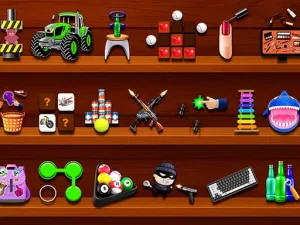
A driving thumbnail, a runner and a billiards table suggest different demands on your attention. In a movement challenge, you may need to watch the route while responding to hazards. At a table, you can spend longer considering a single action. Decide whether you want continuous movement or a sequence of deliberate choices before opening the first appealing picture. This makes a broad collection easier to explore without treating every entry as interchangeable.
Read the individual game's objective and supported-device information after opening it. A familiar visual theme is a useful starting point, but it cannot tell you which keys work or whether an online option is available. The information for that exact title should guide your first attempt.
A precise example: Russian billiards
The Best Russian Billiards gives this collection a slower, more deliberate option. Its stated target is to pocket eight balls before the rival. The aiming input uses a held mouse button and pointer movement, while the cue on the right controls stroke force. Direction and force are separate decisions, so a promising line can still need a different strength of shot.
The game offers a virtual rival and an online mode. Choose the setup you intend to use rather than assuming both choices start the same kind of match. For an opening practice session, concentrate on reading the table and understanding one shot at a time. Accessories and presentation options are secondary to learning that basic sequence.
Make a first attempt easy to understand
Give the first few actions a small purpose. Learn how the character, vehicle or aiming point responds before trying to finish a difficult objective. If the game uses a menu before play begins, distinguish that menu from the controls used during a round. Clicking a start button does not demonstrate how movement, braking or aiming will behave afterward.
When something goes wrong, identify the decision that caused it. Was the route unclear, did an input happen too late, or did the result reveal a rule you had missed? A focused retry provides more information than repeating every action faster. Change one part of your approach so that the next result has an explanation.
Choose a session that suits your attention
For a short break, favour an objective you can describe clearly before starting. You might aim to understand one control, improve a particular approach or complete one visible task. A longer session can be useful when you want to learn a route or compare several attempts. Check the actual game's progress and pause options before relying on an interruption being harmless.
Comfort matters as well as theme. A mouse-focused activity and a keyboard movement challenge place different demands on your setup. Use the individual page's device information, and keep the play area large enough to read important prompts. If the input does not seem to respond, first check whether focus is inside the game and whether a menu is waiting for a selection.
Keep exploring with a clear comparison
Use Popular Games when you want another browsing route across the site. Return to this tag when its particular mix fits what you want to try. Carry one useful question between games, such as whether you prefer route reading or careful aiming, while learning each new title's rules afresh. That comparison helps you find an activity worth returning to without expecting one successful technique to work everywhere.