Divide Puzzle Arcade: choose a place and a moment
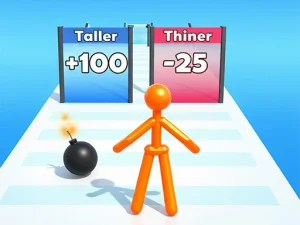
In Divide Puzzle Arcade, you drag a divider into the field to cut while avoiding collision with a ball. The important decision is not only the shape of the space you want to divide. You also need a moment in which the ball will allow that action to happen safely.
Observe the direction of movement before dragging. Identify a possible placement, then wait until the movement gives you a useful opening. Trying to decide the location and execute the cut at the same last instant can make both parts less controlled. A brief plan helps you recognise what changed when the attempt succeeds or fails.
Use the active board's instructions to understand its immediate goal. A particular percentage target, countdown or reward should not be assumed unless it is actually displayed. After a collision, test a different placement or timing choice rather than repeating an identical gesture without considering the ball's route.
Maze Runner: work through the map under time pressure
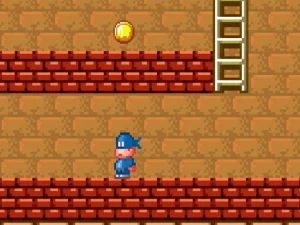
Maze Runner makes navigation the central task. Different maze maps ask you to find a route before the timer expires. You need enough speed to finish, but moving quickly down an unhelpful passage can leave you further from that goal.
Look at the destination and the main connections before committing to a long branch. Remember junctions that lead to dead ends, and return to a useful decision point when a route closes off. You can learn from a failed attempt by keeping one important connection in mind, rather than trying to memorise every detail of the map immediately.
The documented controls support mouse or keyboard input. Follow the loaded game's prompts for the available method, and make deliberate movements around turns. The best next action depends on the current layout, not on a fixed sequence copied from a different maze.
The Best Driver: make the next transfer count
The Best Driver changes the activity to a 3D stickman driving run. You can grab empty vehicles or vehicles with white drivers, while obstacles make positioning important. Look at the path toward a target vehicle and the space you will have afterward.
Tap and slide to move, then release to jump. With a mouse, use a corresponding press, drag and release. Learn the role of that release before making rushed transfers. When an attempt ends, consider whether the problem began with selecting an awkward target, approaching it badly or jumping at an unsuitable moment.
Compare different kinds of attention
These examples show why a mixed collection needs individual instructions. Dividing involves a moving ball and the timing of a cut. A maze involves corridors, junctions and time left to navigate. Driving involves usable vehicles, obstacles and a release action that produces a jump. A habit that helps in one setting may need adjustment in another.
For a more deliberate sequencing task, Rescue Casual Pin Puzzle is also part of this collection. It asks you to save a couple from traps and dangerous enemies by removing pins in the correct order. Think about the consequence of the next removal before selecting it. That approach differs from waiting for a moving opening in Divide Puzzle Arcade.
Use a session to answer a small, concrete question about your play. Did waiting longer make the cut safer? Did remembering a dead end shorten the maze route? Did choosing a clearer vehicle approach improve the run? You can notice these changes without pretending that every game shares the same score or learning curve.
Browse again when you want another task, and check the new controls before carrying on. The collection gives you several directions to explore; the most useful choice is the one whose objective you understand and whose decisions you would like to practise next.