Blocks can fill a grid, combine to reach a higher number or become building material in a virtual world. Those are different ways of using the same basic shape. Choose between a limited board and an open build by asking whether you want to save space, plan a chain of moves or see a room take shape.
Last Updated:
Keep more than one useful opening on a grid
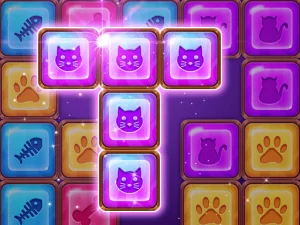
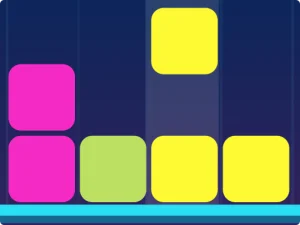
Block Craze asks you to place shapes and make complete lines. Before filling an easy gap, look at what kind of space your placement leaves. A board can have several empty squares while offering very few places for a long or oddly shaped piece. Picture the shape of the open area after your move. A reasonably large connected space is often easier to use than the same number of squares divided among isolated pockets.
When a move clears a line, look for what it actually gives you back. A future placement becomes easier if the cleared space joins places you can already reach. A line isn't equally valuable everywhere. Try a board where your first priority is leaving a few useful shapes open for the future rather than clearing at the first chance. Compare it with the usual approach. If you can still place several kinds of pieces a little later, you can see the benefit without needing a long run or a high score to prove it.
Think about what a successful merge leaves behind
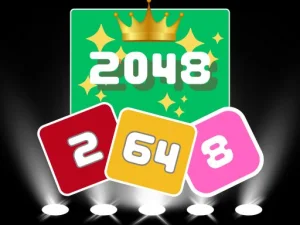
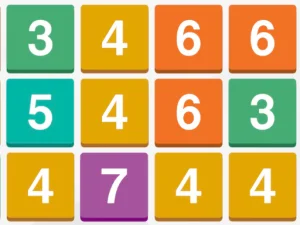
2248 Block Merge works with numbered pieces. Look at which values you can combine under the current rules, and think about where the resulting value will sit. A merge can look helpful as it raises a number, but the next decision depends on which pieces will be close enough or useful around it. Get familiar with what the board does after one simple merge before expecting to predict a long sequence.
If there are two plausible routes, compare a short one that preserves useful neighbors with a longer move that separates the next values you might need. Take time to inspect the board after deciding. Part of the skill is noticing when the next opportunity is now in a different area. When you repeatedly end up with a large number stranded among unrelated pieces, start making the second move part of the first decision. That can lead you to a more enjoyable board even before you reach a particularly high number.
Work in visible sections on a building project
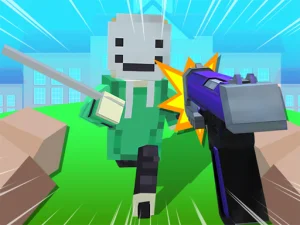
Block Craft 3D School places block shapes in a play space where you can create classrooms and other parts of a school. Use a familiar entrance or part of the floor as your reference. Begin with one room or a short path rather than trying to place the entire floor plan in your head. See how the space feels once it has a few edges to guide you, then choose what the next row of blocks should do. You may want to mark where an opening belongs before you are looking at a solid wall.
This is a better fit for someone who wants to return to a place and recognize their changes than for someone who wants every move to have a score. It can also help if you enjoy arranging a view rather than working under the limits of the same board. Give a session a defined purpose, such as making one room usable from the entrance. You leave with a visible result while still having room to add other ideas another day.
Pick the kind of space you want to manage
If you enjoy leaving room for an unknown piece, pick a line-clearing game. If you want to set up a second result with the first, choose numbered merging. To see a place take shape in front of you, choose a block-building game and finish one recognizable part before extending it. The blocks may look familiar across several games. Pay attention to what they let you do, because that is where the activity changes.