Cartoon games use expressive characters and clear visual effects to make a puzzle easy to read at a glance. The scene may ask you to draw a line, choose which object moves first or time a rescue. Take a moment to identify the player input before following the motion on screen. Animated feedback is useful when you can connect what happened to the action that caused it.
Last Updated:
Read the two sides of a rope shortcut
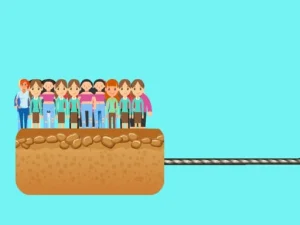
In Rope Puzzle Rescue, you cut ropes using the mouse or touch and try to release trapped characters safely. Before choosing a rope, identify what it is holding and where the object can travel once that support is gone. If more than one rope connects to the same object, check how the remaining connection might affect its movement. Look at the barriers and hazards around the destination so your plan includes what happens after the cut.
Use your first attempt to watch one release through to the end. If it creates enough space for the next action, you have learned something about that part of the scene. If it moves an object into the way, try a different order or look for another opening. After several attempts, compare the first visible event that sends the rescue off course. The best change usually addresses that event directly instead of repeating every move at a quicker pace.
Give a drawing a job to do
Draw Save Puzzles lets you make lines or shapes to help a stickman get to safety. Identify the obstacle before drawing and decide whether you need to cover, connect or guide something. Make a simple shape you can understand and watch its first contact with the scene. It helps to know which part of your drawing is expected to do the work. If the opening result surprises you, you will be able to adjust the part of the line that caused it.
When a line goes wrong, look for the smallest change worth trying. A drawing might end before it reaches an important obstacle. It might touch an object earlier than you expected. Use the start and end of the line as visible reference points. On the next try, keep one of those points familiar while moving the other. That comparison can show you how its length or angle changes the result.
Look at the scene before following the animation
A crowded picture may show several objects even when the next move involves just one. Pick the character you are helping and trace the space around it. Identify which objects touch the route and which sit farther away. The scene becomes easier to read once you can point to the nearest hazard and a possible safe place. Then follow the first animation and see if it moves along any part of the route you imagined.
An animated result can also give you a useful stopping point. If you see the character reach safety but the level continues, wait until the game shows whether another part of the task remains. If it asks for a retry, pay attention to the visible cause before starting over. An input that produced an unexpected action can teach you more when you watch it finish than when you reset immediately.
Choose a style of creative puzzle
Open the rope game when you want to work through a sequence of decisions in a scene that already exists. Pick the drawing game when you want to add a shape that changes the scene. A cut teaches you about the object you release. A drawing teaches you about the shape you placed and the contact it makes. In either game, use the first round to test one idea and the second to improve it deliberately. Cartoon art will help you recognise the character and the objects around it as the task becomes more complex.