Find the exact Kiki World activity
In Kiki World, the supplier describes clearing away rubbish and old, dirty belongings, then using clicking, dragging and dropping to place furniture. Its longer name, Kiki World: Kawaii Doll Decor, identifies the home-decoration focus. If that is the activity you came for, begin with this direct destination and read the instructions displayed by the loaded game.
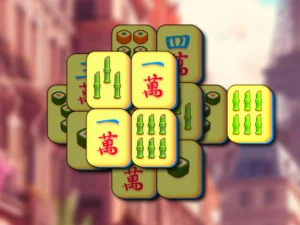
The current card grid does not show that exact game. It contains names such as Terra Craft World, World Archery League, Mahjong My World and Roblox World Builder. Their appearance here does not make them additional Kiki rooms or establish shared controls. Read a chosen game's own page before expecting the same type of play.
Turn an empty space into a deliberate arrangement
For Kiki's makeover, think about what the room needs before filling it with objects. Cleaning makes the available space easier to inspect. Follow the current prompt to identify the things that should go, then consider which visible area you want to organise first. An intentional small arrangement is easier to judge than several unrelated placements made at once.
Choose a leading piece from the furniture actually offered. Its position can establish a point of interest and help you decide how neighbouring objects should relate to it. Pause after placing it and compare the remaining space. This is design advice, rather than a claim about a scoring requirement or an invisible rule that the game enforces.
Compare placement, colour and visual balance
Learn the placement action with one item before making a detailed layout. Watch its position after releasing it, then check whether the result matches your intention. If it does not, inspect the active selection and any visible adjustment tools. Do not import a rotation key, undo command or deletion method from a different decorating game.
A limited colour direction can help several choices feel connected. Depending on the available pieces, you might emphasise a dominant tone and use another more sparingly. Compare colours in the room, where neighbouring objects affect their appearance, rather than judging each selection alone. Leave some visible gaps so that separate groups remain understandable.
When refining the scene, change one relationship at a time. Consider the distance between two objects, the visual weight on either side or the detail that attracts attention first. A careful comparison explains more than replacing everything together. The goal is to discover which choice supports your own idea for the space.
Choose a card according to its own game page
The wider grid can be useful when you want a different activity after decorating. However, words such as world or builder are labels to investigate, not reliable descriptions of every mechanic. Check the exact title, stated objective and input instructions at the destination. That is especially useful here because the collection includes a variety of names rather than one uniform series.
Keep the two decisions separate: whether you want Kiki's room makeover, and whether another card looks interesting on its own terms. This avoids searching a different game for Kiki furniture or assuming that a similarly named page continues the same session. Each loaded title supplies its own context.
Plan a comfortable decorating session
Kiki World's supplier marks its build as mobile-ready. Inspect the interface on your device and make a simple placement you can assess before attempting a precise arrangement. The available screen space and displayed instructions matter more than an assumed gesture. Before ending a session, inspect the actual menu options instead of assuming automatic progress saving.
For a longer explanation of cleaning, grouping furniture and testing one design decision at a time, read the Kiki World room-makeover guide. Use it alongside the game's visible choices, then return to this collection whenever you want to explore the broader selection.