Plan a safe route in Fin Freedom
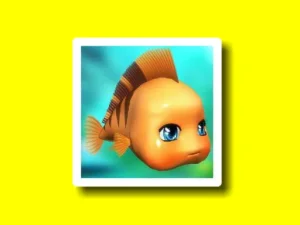
Fin Freedom places a small fish inside a network of underwater pipes. You pull pins to redirect water and work through puzzles involving predators and lava. The main decision is which connection to change and what that change will allow to move.
Inspect the fish's position before choosing a pin. Then locate the available water and the dangers around the intended route. A removal that opens a passage is only useful when the passage serves the rescue without introducing an unsafe connection.
The documented interaction is clicking or tapping. Choose one pin and watch how the liquid responds before making another selection. That gives you a clearer account of the sequence than pulling several pins in quick succession and trying to work out afterward which one caused a problem.
Understand what each barrier is doing
A pin can appear to be an obstacle, but it may also be keeping two areas apart for a reason. Ask what is on both sides and where the released stream can travel. The consequence matters more than the simple fact that the pin is selectable.
Keep hazards in the same plan as the water. A route toward the fish does not automatically become safe if it also creates access for a predator or connects an area containing lava. Look at the arrangement shown in the current puzzle rather than relying on a sequence from another level.
When a result is unexpected, trace the new connection through the network. Determine which removal first changed the situation in an unsafe way. On another attempt, test a different order or keep that separation intact while you prepare another part of the route.
Use a setup that makes the layout readable
Although click and tap appear in the instructions, the supplier marks this build as not mobile-ready. A pointer-based computer setup is the clearer starting option. Choose a view where pins, liquid and dangerous areas are easy to distinguish before deciding on the first interaction.
Place the pointer deliberately when several pins sit near one another. A precise selection helps you evaluate the intended sequence rather than an accidental removal. After clicking, give the visible result your attention before returning to the next planned point.
Use the level's own objective and feedback for additional conditions. The verified overview does not establish a single countdown or a rule that automatically closes every route. Rushing because a different puzzle uses time pressure can distract you from the actual arrangement here.
Compare fish-themed activities by their task
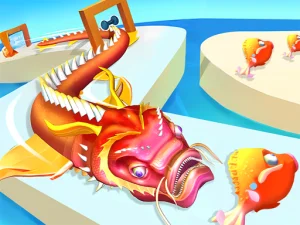
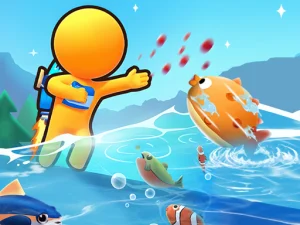
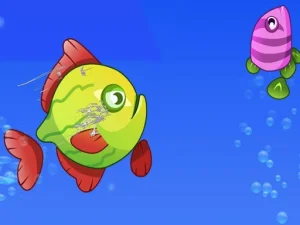
A new card may make the fish a moving character, a subject to find or part of another puzzle. Read the instruction before applying Fin Freedom's pin logic elsewhere. The collection connects an interest in fish-themed play, while the individual game supplies the meaningful rules.
For a focused retry, decide what you want to understand: one pin's effect, the route of a released stream or the step that leaves the fish unsafe. A small question gives you something observable to learn even when the full puzzle is not solved immediately.
Use that result to choose the next action. Careful play here means joining the fish's needs with the shape of the pipe network and the consequences of your choices. Once you understand those relationships, another attempt becomes a test of a clearer plan rather than a series of hopeful clicks.