Fishing games turn a cast into a short sequence you can observe. You choose when to send the line into the water, look for a sign of a bite and then use the input the game gives you to bring the catch in. The timing can differ between browser titles. Spend the first few casts watching the game’s cues. Understanding what a bite looks like is more useful than reacting to every change in the water.
Last Updated:
Recognise the prompt after you cast
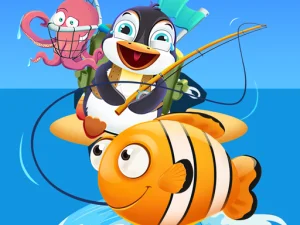
Fishing Life uses mouse or touch to cast and reel. Start with a cast you can watch closely. Follow what the game shows while you are waiting. Pay attention to the moment in which the displayed cue changes, and see which action the instructions ask you to make. After a successful catch, remember one detail about the cue. You can use it as a reference on the next cast instead of picking a moment just because the line has been out for a while.
If you act and the response is unclear, look at the state the game displays afterwards. You may have reacted before the cue, caught the event too late or used an input during the wrong part of the sequence. Change the part of your response that needs work. On another cast, keep watching the area where the game first showed the useful sign. That gives you time to make a deliberate move once the signal appears.
Watch the bait before responding
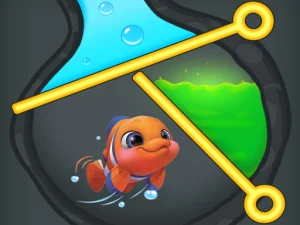
Deep Fishing asks you to send bait down and time an input when a fish bites. Follow the bait's movement after a cast and check how the scene looks before a fish approaches. When the useful cue begins, compare it with the quiet waiting state you have just observed. A change that you recognise from one successful cast can make the next one easier to read.
Use a short session to compare attempts with similar expectations. On one cast, note when a fish becomes visible. On another, focus on the signal that tells you when to act. Those moments may be separated by part of the scene you can watch. Once you recognise the difference, you can prepare for a bite without selecting too early. If the game shows different species or areas, read the current cues again when you try a new setting.
Give a quiet round a specific aim
You can choose a goal that does not depend on a particular catch appearing. Try recognising the sign that leads to two successful responses, or watch how a clear wait changes into the active reeling stage. When you know which part of the sequence matters, you can repeat it without trying to force every cast to follow the same timing. That makes a short visit feel useful even if different fish appear during each run.
Pay attention to improvements the game actually shows. If it offers another area or a change to your setup, read the explanation first. Begin the next few casts by looking for the same kind of feedback you understand. Notice whether the response or timing feels different. A simple comparison gives you something more concrete than choosing a change and immediately rushing through several casts.
Choose the setting whose cues you like following
Open Fishing Life for a cast-and-reel loop you can learn from the game's visible bite prompts. Try Deep Fishing if you want to watch the bait in a different scene and learn when to react there. Keep the full title you enjoyed so you can return to the same player later. Begin with a slow cast you can follow all the way through. See what the scene asks you to do and use that observation before choosing when to react on the next one.