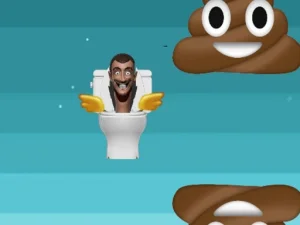
Flappy timing and basketball-themed choices
For the game covered by the linked guide, choose Flappy Dunk. This page currently embeds the tinyDream browser version. Its documented objective is to put a basketball through rings and go farther using mouse clicks. Other games can share the Flappy Dunk name without using the same embedded game, so the exact destination matters when you want advice that matches the version you are opening.
What to practise in the main game
Begin by watching how one deliberate click affects the ball. The small input is the center of the challenge, and repeated clicking can hide the cause of a miss. Look between the ball's current path and the opening of the next ring. Decide whether a correction is actually needed before adding it. A useful attempt is one in which you can connect the input with what happened afterward, even if the final distance is modest.
Try to identify a poor approach before the ball reaches the edge of the target. A measured correction leaves time to observe the result; a hurried series at the last moment makes it harder to know which click helped or hurt. Equally, avoid correcting a path that is already useful. Learning when to leave the ball's motion alone is part of deliberate control, rather than a failure to react quickly enough.
Choose an alternative for the right reason
Jump Dunk 3D supplies a useful comparison: its tap-controlled basketball levels ask you to score three goals, with the release position of a jumping character's ball affecting the shot. That gives a different immediate objective from carrying the Flappy Dunk ball farther through rings. Choose according to whether you want that level-based shooting task or the main game's ring sequence. Flappy Sprunki Endless Flying, Flappy Spinorama and Dunkers Fight 2P are additional individual games with their own instructions.
If you want focused practice, remain with Flappy Dunk for several attempts and observe one recurring mistake. Switching between different games after every miss can change the timing you are learning. If you want variety instead, use the collection to compare the stated objective, input and supported device of each card. Both approaches work better when you distinguish learning one movement system from sampling several separate games.
Evaluate a run beyond the score
A more dependable opening, an earlier correction or fewer unnecessary clicks can all be useful progress before they produce a personal best. After a miss, recall the ball's position, your last input and the resulting path. Choose a specific change for the next attempt. This creates a practical experiment and avoids treating every mistake as a vague need for faster reactions.
The Flappy Dunk practice guide expands on ring alignment, adjustable rhythm and maintaining attention during a promising run. It deliberately focuses on the tinyDream game linked here. Do not assume a particular bonus system, number of attempts or competitive feature belongs to this version solely because another similarly named title offers it.
Before you start
Use a permitted connection and wait for the selected game to become ready. “Unblocked” does not guarantee access on every school or workplace network. Give the game area focus, test a deliberate input and choose an objective that fits the time available. Whether you practise the main game's rings or explore a different card, checking the exact title and controls makes the collection a clearer starting point.