A shot-making example to begin with
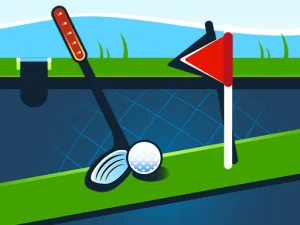
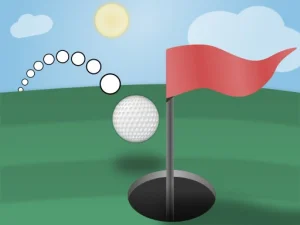
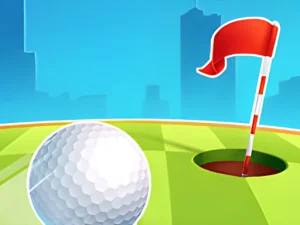
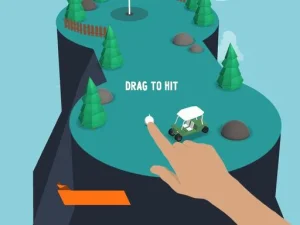
In Minigolf, the documented sequence is setting an angle, choosing a strength and taking the shot. Mouse or tap interaction is supported by its publisher's instructions. Those actions create a straightforward challenge: judge where you want the ball to go, decide how strongly to send it and assess the position left afterward. The objective rewards finishing levels with fewer shots.
Before the first input, identify the ball, the hole and a possible approach. The shortest visible line deserves consideration, but it is not automatically the easiest shot to control. Look at the position a slightly imperfect attempt might leave behind. A route that gives you a clear next decision can be useful while you are still learning the relationship between angle, strength and distance.
Choose direction and strength for different reasons
Direction and power should not be treated as interchangeable adjustments. If an attempt travels roughly where you intended but goes too far, the result points toward a strength question. If it passes beside the intended approach, the direction needs another look. Changing both dramatically after every miss makes it harder to learn which adjustment contributed to the next outcome.
Use a target position you can recognize. Watch the ball until the result is clear, then compare that result with your intention. A shot that does not finish the hole can still provide useful information. The practical aim is to understand one response well enough to make the following choice deliberately, rather than keep repeating inputs without noticing what they do.
Match a golf session to the challenge you want
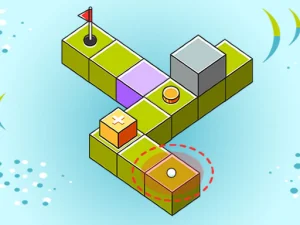
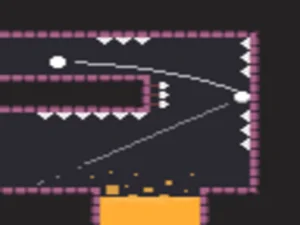
Some players enjoy spending time interpreting one approach; others prefer discovering a different course or trying another title. Use the collection to make that choice. Read the selected game's own description before assuming it shares Minigolf's shot setup or scoring. The presence of a golf theme does not prove that every card offers the same levels, multiplayer options, equipment or controls.
If a setup shot appears useful, give it a reason. Consider where it would place the ball and whether that location makes the following approach clearer. Taking another shot merely to be cautious does not necessarily help a low-shot objective. Compare the direct attempt with a planned intermediate position according to what you can actually control in the current game.
Make another attempt informative
When a course repeatedly causes difficulty, identify one recurring decision. Perhaps you choose strength before inspecting the route, or continue using the same angle after the ball has moved to a new position. Changing one of those habits gives the next attempt a specific purpose. It also makes improvement easier to notice than a general intention to become better at golf games.
The golf course-reading guide develops this process through angle selection, measured strength and planning the next position. Use it for detailed practice advice, then return to the selected game and apply one idea at a time. Its examples describe ways to think about visible situations rather than fixed solutions for every course.
Check the selected game's own interface
A collection page opening is the beginning of choosing a game, not proof that every separate game has identical device support. Check the destination's inputs and give its current loading screen time to finish. Use access where playing is permitted; the established unblocked wording is not a network-unblocking tool. Before leaving a session, read the game's own pause or progress information instead of assuming that another golf title will share the same saved state.