Helicopter games give you an aircraft that can change height and direction while you work toward a target. One title may ask you to approach a rescue area carefully. Another may turn height changes into quick inputs during a duel. Decide which style you want when you choose a card. In either case, look at where the helicopter will be after the next input, not only at where it is when you press it.
Last Updated:
Read the approach before handling the rescue
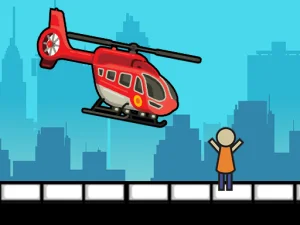
Helicopter Rescue Games 3D puts a pilot into rescue missions in city and mountain settings. Read the objective and the controls shown by the current mission. Look for the route to the marked area and any obstacles you have to pass on the way. Approach along a line that gives you a clear view of the target before you need to make a precise move. Find which part of the route gives you room to adjust height or direction if you arrive differently from the planned line.
When you are close to the rescue point, think about how to leave it as well. A position with plenty of room on the approach can become difficult to steer out of once you turn toward an object. Use a nearby landmark to keep your orientation and watch how the aircraft responds to the controls while you are still in open space. Then bring that knowledge into the closer part of the mission. If an approach fails, choose one change you can recognise from the starting view.
Use short height changes in a two-player duel
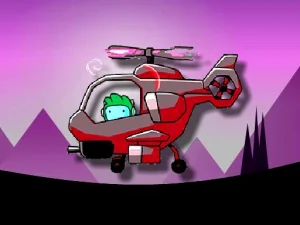
Flappy Helicopter 2 Player gives the red helicopter W and the blue helicopter the Up arrow. Compare the two paths before both players start tapping. The immediate aim is to stay clear of the obstacles around your own helicopter. Use a short input to learn how high the helicopter goes and where it heads once the input ends. Then look at the height of the next visible opening before making another change.
A duel moves quickly, and the other pilot can draw your attention away from your own route. Check their position when your helicopter has room to travel safely. Return your eyes to the space you will enter next before a gap becomes close. If you hit an obstacle while watching the rival, use the first part of another round to practise following two openings in a row. Keeping your own path readable leaves you more chances to respond to what the other pilot does.
Find a height you can reuse
Use a quiet section to establish a reference. In the rescue game, take note of a landmark you can keep in view while preparing to approach the target. In the duel, find a position where a short climb would put you near the next open gap. A familiar reference encourages corrections made early enough to observe their result. If the next scene looks different, use the first visible obstacle to find a fresh reference.
After an awkward attempt, recall whether the issue was height, direction or the place where you began the move. If a passage was easily reachable until you drifted too low, focus on the height change. If you were at a useful height on the wrong side of the obstacle, adjust the earlier position. Knowing which part needs work makes the following approach easier to plan.
Pick a way to practise the aircraft
Choose the rescue missions when you want time to study an area and set up a careful arrival. Choose the two-player version for a faster round built around small inputs and visible gaps. Read the active controls before you start, then give yourself a near target to fly toward. Reaching one useful position is a practical first success. Look at the route available from there and use it to guide the next move.