Recognize the available entries
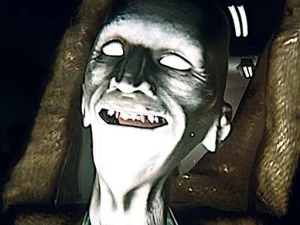
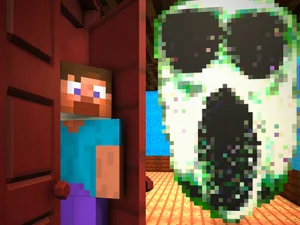
The current collection includes pages titled Backrooms Slender Horror and Jeff The Killer Horrendous Smile. These are distinct entries, not proof of a shared map or a common puzzle system. A familiar character or setting can appear in different styles of game, so check the individual description and the instructions displayed after loading.
A related school-escape option is Slenderman Lost at School. Its supplier describes exploring an abandoned school, gathering items, solving puzzles and avoiding Slenderman to work toward escape. That gives you a concrete example of investigation and threat combined, without claiming every card in the collection uses the same mechanics.
Choose the kind of session you want
If you enjoy careful investigation, look for a game that clearly describes exploration or puzzles. If you want a more immediate challenge, read whether its stated objective involves movement or survival. Choose by the decisions you expect to make, rather than by how dramatic the title sounds.
Consider the time available as well. A short break may suit learning the opening controls or investigating one area. A longer session can give you room to understand a layout and test connections between clues. Do not assume a game saves progress unless it explicitly confirms that behavior.
Keep observations separate from guesses
In an exploration puzzle, a closed passage is something you can observe; the exact item required to open it may still be unknown. Treat a possible solution as a hypothesis until a prompt or result supports it. This makes exploration more purposeful than repeatedly searching for an object you only assumed must exist.
When collecting something, notice its context and any explanation the game provides. Those details can suggest a useful next test. If an interaction fails, check the input and the evidence before repeating it. A different game may ask for a completely different relationship between items and locations.
Use landmarks to retain direction
Remember a few recognizable rooms or junctions instead of trying to memorize every turn. Before leaving an area, connect it with the question you still need to answer. This gives a return visit a purpose and reduces repeated loops through places you have already understood.
Awareness also matters while examining a puzzle. Notice the surrounding routes before committing all your attention to an object. That does not mean a particular location is safe; it means you have a clearer next action if the situation changes. Specific enemy behavior must be learned from the actual game.
Do not assume universal stealth rules
Stealth is part of the supplier's description for Slenderman Lost at School, but that does not establish one detection system for the whole collection. Read and observe the selected game before relying on crouching, sound, hiding or a supposed safe distance. Keep conclusions tied to what the version in front of you demonstrates.
The horror exploration guide explains how to choose a challenge, organize observations and approach puzzles using the school-escape example. It is a practical guide to decisions, rather than a promise that one solution or input works across every horror title.
Play on your own terms
Let the game finish loading, establish the controls and choose a comfortable presentation before moving deeper into a challenge. Stop or choose another entry if the atmosphere is not enjoyable for you. There is no requirement to finish every horror game simply because you opened its page.
Unblocked is a search term, not a guarantee of access on every managed network. Use permitted connections and devices. A functioning surrounding webpage does not necessarily mean the embedded game has completed loading, so check its visible state before diagnosing a control problem.