Check how the session is organised
Look for the actual choice between a room, public match, computer opponents and any practice option. A game can offer more than one of these. Select the format that fits your plan, then learn how it starts. An online option also depends on its current service and available participants, so the presence of a menu does not promise an immediate populated match at every moment.
For shared-device play, check each person's assigned controls. Make sure a movement key or action for one player is not being mistaken for the other's. If the game offers a practice or computer match, it can help you learn basic commands before another person is relying on your next decision. The useful preparation is understanding your role, inputs and the current win condition.
Coordinate around a football objective
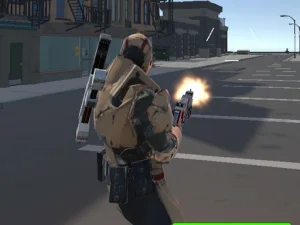
Football Wars combines online team football with armed heroes and physical confrontations. WASD moves the character, left-click kicks, right-click passes, E tackles and Shift sprints. A goal remains the central reason to read the field, even when another player presents an immediate fight. Locate the ball and the useful passing space after an encounter.
Passing and kicking are separate actions here. Learn their difference before a crowded approach, and consider what a teammate can do from the position they occupy. Chasing an opponent away from the useful play can leave you without a clear next contribution. Use movement and confrontation to serve the current team objective rather than treating every collision as a complete plan.
Arrange a shooter session or learn the arena
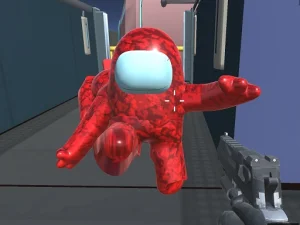
Oxy Arena separates public play, Rooms & Friends, Practice and a solo Backrooms: Zombies activity. Practice includes Deathmatch, Team Deathmatch and Target Range, with bot difficulty choices. This menu makes a useful distinction: learning a weapon against practice targets is different from joining the public mode or arranging a room.
Use that preparation to understand movement, aiming, reloading and switching weapons. When entering a team format, notice where teammates are moving and which approaches remain exposed. A familiar map can still produce a different situation as other participants reposition. Reassess what is happening rather than assuming the route from a previous practice round remains safe.
Read each game's rules instead of importing house rules
Uno Multiplayer provides another associated format, with a computer-match option as well as its separate online interface. The visible discard, available cards and UNO button guide play. A card game's rules and turn order require a different kind of cooperation or competition from real-time football. Read the options shown by this version before assuming penalty stacking or another rule used elsewhere.
Choose a first-session goal everyone can recognise: learn to join the intended room, complete one match in the selected format or practise a team action. Before starting another title, check its connection method and controls again. Multiplayer describes participation, while the individual game's objective explains what each participant should actually do once the session begins.
Discuss a simple role before a team round: who follows the ball, who looks for a passing option or which objective needs support. Revise that plan when the visible situation changes. A useful team decision follows what teammates are actually doing rather than expecting them to follow an instruction that was never agreed.