Follow the approach of the piano tiles
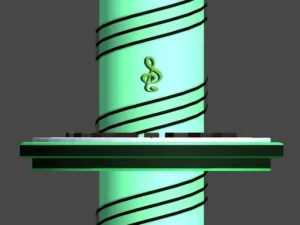
Magic Piano Music has tiles to click or tap in sequence. Choose a track and spend the first few notes learning where to look before each action. See when a tile reaches the place where the game expects you to respond. Connect that visual cue to what you hear, if you have audio available. Following both can help you get ready for a note without deciding too early which next tile you need.
If a passage gives you trouble, identify which part of the pattern changed. It may have put notes closer together or moved your attention from one lane to another. Try listening to the interval between two hits while keeping the next tile in view. On another attempt, begin watching the transition before the faster notes arrive. Practice a short stretch until you can recognise its cue, then let the following notes give you another pattern to learn.
Try a sound pattern at your own pace
Tabla Drum Kit Music presents tappable drum sounds. Explore the available pads by trying one at a time, listening to each sound until you can tell it apart. Pick two sounds you enjoy hearing together. Play them in a short pattern and repeat it at a comfortable pace. Follow which pad you tap and when you tap it. Doing both in a small pattern makes the results easier to remember.
Once you have a pattern you can repeat, change one part of it. Move one tap slightly later, add a pause or switch the sound used on the final tap. Listen to what the whole short pattern sounds like again. Compare how its shape changes when you leave some space between actions. You can try another version at the same pace or begin a new pattern using one sound from the first. The instrument gives you direct feedback without having to choose a score target.
Find a comfortable place to put your attention
In a note game, look ahead far enough to see which input comes next while keeping your reference near the point of action. When a passage speeds up, return to the cue that lets you recognise the next input. Music may help you anticipate it, and visual markers can let you check the direction or timing. Use the cues shown by the version you actually opened.
In a sound toy, give your attention to the difference between the sounds themselves. Try a slower repetition so you can hear where one sound ends and the next starts. Then see what happens when you put them closer together. Leave enough time to observe the result. A simple rhythm that you can reproduce gives you a useful starting point for another experiment.
Give the next track or pattern a small goal
Open the piano game to follow a sequence while it moves. Open the tabla kit if you want to choose where each tap goes. In the piano round, try to recognise the cue for one short phrase and follow it through to the end. With the drum kit, try repeating a pattern several times with a steady gap. Once that feels familiar, change the part you most want to explore. A short, clearly heard result gives you a way to enjoy whichever style of music game you chose.