Compare what happens after a pointer action
Several choices use a mouse, but the meaning of an action changes. Removing a barrier asks you to predict a sequence. Dropping a divider asks you to judge a moving hazard. Steering a raft changes its position continuously and can bring it into combat range. Reading those differences before switching games avoids carrying the wrong expectations into a new player.
Try a short opening that isolates the control you need. Observe one pin removal, watch one ball movement before dividing the field, or collect a floating piece before seeking an enemy. Learning one action clearly makes later decisions easier to understand than making several unfamiliar inputs at once.
Choose the moment of a cut
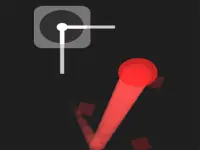
In Divide Puzzle Arcade, you drag a divider into a field while avoiding a moving ball. The place you choose and the time you release are separate parts of a useful cut. A clear-looking area can become unsafe before your action is finished if the ball is already travelling toward it.
Watch enough movement to understand the immediate risk, then select the region you intend to divide. Waiting without a plan can become as unhelpful as acting too quickly. Know what opening you are looking for so that observation leads to a deliberate drag when that opening appears.
If a cut fails, compare the intended location with the ball's direction at that moment. A different part of the field may offer more space, or the same placement may need better timing. Use the level's displayed objective rather than assuming a fixed percentage target or a universal countdown.
Plan the order of a rescue
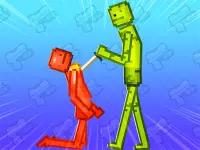
Rescue Casual Pin Puzzle makes order the important variable. Your aim is to protect the couple by removing pins while accounting for traps and dangerous enemies. The availability of a pin is not a reason to pull it immediately.
Look at what is held behind each barrier. Decide which threat must remain separated and which route needs to become safe. Select one pin with a click or tap, then watch the consequence. This makes it easier to tell whether the plan was sound and whether the input selected the intended object.
A failed rescue can trace back to an earlier removal rather than the final event on screen. On another attempt, preserve the parts that kept the characters safe and revise the first unsafe choice. This is a different form of practice from trying to improve the timing of a moving-ball cut.
Use movement to prepare a sea encounter
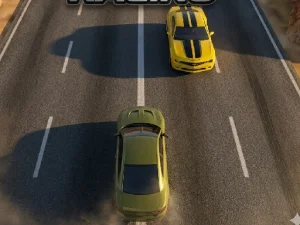
Crazy Sea Battle combines gathering with automatic combat at close range. Drag to steer toward floating pieces and expand the raft, while watching where other rafts are positioned. You do not need to search for a separate firing key when the team is already close enough to engage.
Choose a destination that leaves a useful next movement available. Collecting something can be a poor exchange if it puts the raft beside an opponent before you are ready. Begin by understanding the effect of gathering, then consider how much space remains around the larger arrangement.
Use the collection to move between planning a sequence, judging an opening and managing distance. These examples reward different decisions despite their approachable inputs. Check the next game's instructions when changing activities or devices, and base the next attempt on its actual feedback rather than on features implied by the broad collection name.