Linking Logic and Coordination Titles
Titles in this collection usually require identifying identical symbols, coordinating two characters simultaneously, or solving logic problems through specific connections. Gameplay often involves scanning grids, remembering positions, or manipulating two related objects to clear a stage. These browser titles are designed for quick loading and touch-friendly interfaces, making them ideal for short sessions on mobile or desktop. The pacing typically matches the player's speed, allowing for thoughtful consideration in puzzle modes or rapid reaction in coordination challenges. This approach defines the accessible nature of online pair-based entertainment.
Selecting Titles Based on Connection Style
Choosing the right title depends on whether the player prefers visual matching, memory recall, or simultaneous control of two objects. Some titles focus on static grids where the goal is to locate hidden connections, while others demand active movement where two linked entities must navigate obstacles together. Players can filter choices by session length, as memory challenges often fit short breaks better than complex coordination tasks. Consider the preferred input method, since touchscreens suit tap-based matching while keyboards offer precision for dual-character movement. This selection process ensures a better fit for the player's current mood and device.
Core Mechanics of Dual-Element Gameplay
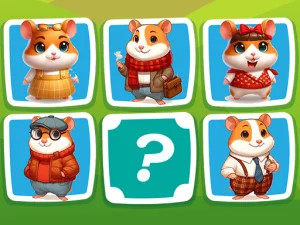
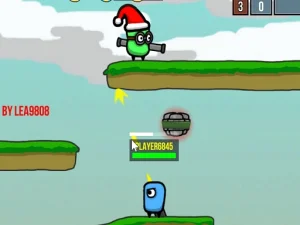
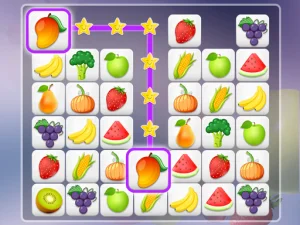
The primary mechanic involves establishing a link between two distinct points, whether visual, spatial, or logical. In matching formats, the objective is to clear the board by removing connected pairs of identical items before time runs out or moves are exhausted. Coordination formats often split control between two characters or objects, requiring the player to manage both positions to unlock paths or trigger switches. Browser support for these mechanics is robust, with HTML5 technology ensuring smooth performance across devices without downloads. Many titles in this section feature touch-friendly layouts that make selecting or dragging pairs intuitive on mobile screens. These mechanics create a satisfying loop of observation, selection, and resolution that defines the category.
Improving Accuracy in Matching Tasks
Focus on scanning the entire play area before making a move to ensure the best possible connection is found. Maintain a steady rhythm when dealing with timed challenges, as rushing often leads to missed connections or incorrect links. Use the visual cues provided by the interface to distinguish between similar-looking items that might otherwise be confused. Practice memory techniques for titles that hide the second element, relying on spatial awareness rather than random guessing. These strategies help players progress through increasingly complex grids and coordination stages.
Reasons for Choosing Connection-Based Play
Players return to this category when seeking mental stimulation that does not require fast reflexes or complex combat controls. The replay value comes from trying to beat personal best times or attempting to clear boards with fewer moves. These titles fit well into daily routines, offering a mental break that can be paused or resumed easily. The focus on logic and observation provides a different kind of challenge compared to action-heavy genres, appealing to those who enjoy thoughtful gameplay. This specific focus makes the collection a reliable choice for cognitive exercise.
pair FAQs
Q: Do matching titles require fast reflexes? A: Most rely on observation and logic rather than speed.
Q: Can coordination titles work on mobile devices? A: Many titles feature touch controls designed for phones and tablets.
Q: Are memory challenges included in this category? A: Yes, several titles test the ability to recall positions of hidden pairs.
Q: Is this section limited to puzzle games? A: No, it includes various logic and coordination styles across the browser format.