Pin puzzles give you something small to move and a much larger reaction to think through. A pin can hold liquid in a chamber, keep a piece of a mechanism in place or decide which route opens first. Before touching it, name the thing it currently holds. Then look at what the object or liquid can do when you remove that support. The effect of the move matters more than the position of the pin alone.
Last Updated:
Follow the liquid from the chamber to its flask
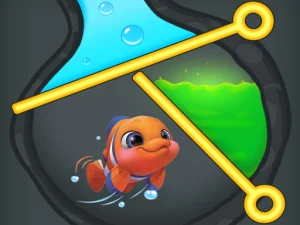
In Colored Water and Pin, you remove pins to direct coloured water into flasks. Begin with one colour and trace a possible route down the screen. Locate the first pin the water will meet and look beyond it to find the next chamber. If two colours share part of a route, see whether one can reach its flask before you open the path for the other. Watching the likely destination makes the choice easier to reason about.
Before you make the move, identify any space where the water could end up if the path you want is still blocked. A pin farther down can be useful because it lets you decide when the water moves from an intermediate section. If your first route gives a bad result, remember the first intersection where the flow went somewhere unintended. Change the sequence there on the next try. Keeping the rest of the route familiar helps you tell whether the new order worked.
Identify what a screw holds in place
Screw Master 3D: Pin Puzzle uses screws and mechanisms as its puzzle pieces. Inspect where a screw meets the part it connects. If the game gives you another view, use it to see which pieces overlap or support one another. A clear view of the connection can tell you whether removing a piece opens a route or leaves the object in a different position than you expected.
After moving a part, look at the rest of the mechanism again. A connection that was blocked may now be reachable. A piece that used to stay flat may be able to move. Keep track of which small change made that possible. When a later layout looks complicated, start with the clearest connection and see how it affects the next one. The puzzle becomes easier to follow when you think through each change in the state of the mechanism.
Plan the order using one dependency at a time
A dependency is simply one action that needs another one to happen first. In a liquid puzzle, a destination should be ready before you release the water into it. In a mechanical puzzle, a part might need clearance before you try to move it. Pick one dependency you can recognise from the view and use it to choose your first action. This is especially helpful when the level shows several pins that all look available.
When there are two plausible first moves, consider which one gives you useful information at lower risk. If one opening leads to a route you can see all the way to its end, it gives you a clearer expectation. If a move changes several things at once, plan long enough to understand which part of that change matters. Then compare the expectation with the animation after you make the move.
Choose the kind of sequence you want to solve
Try the water game if you enjoy tracing colour and direction across several chambers. Try the screw puzzle when you want to inspect how parts connect in a three-dimensional scene. Give your first attempt an observable goal, such as sending one colour to the right area or finding a connection that becomes clear after a release. After that first success, plan the next action from the scene you actually have. Moving through a board this way gives you useful feedback even when a later step sends you back for another try.