Pinball games send a moving ball through a playfield and give you brief chances to influence where it goes. A flipper or a player token can send the ball back toward a scoring object. Start by finding the part of the screen where you can make contact. Then follow a ball through a rebound and see how it returns. Learning that loop is a useful opening goal before trying to reach the biggest score on the table.
Last Updated:
Watch how a sports table redirects the ball
Pinball Football Champion mixes football-themed objectives with bumpers and pins. Use the on-screen action to flick the players and send the ball toward a useful part of the arena. Look at where the ball approaches the player before acting. A flick from a different position can lead to a different line through the table. Follow the ball to its first contact with a bumper or boundary so you can recognise how the playfield changes its direction.
If the game shows a route toward a goal, look at what blocks that route from the current position. A direct shot is useful when you can see a line to it. A trip through a scoring area can give you information about where the next rebound will go. Decide which result you want to observe before flicking. When the ball returns, use the direction of its approach to prepare another move rather than guessing from where you last sent it.
Learn which side you need when the ball returns
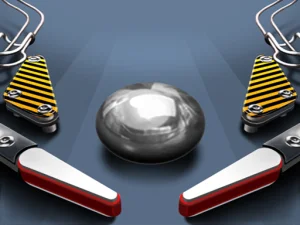
Pinball Legends uses a themed pinball table with separate left and right flipper inputs. Read the active player controls and find the two places where you can make a save. During the first ball, watch how often it travels from a bumper or edge toward one of those places. Notice which part of the playfield gives you an early view of its return. If you can recognise the direction before the ball reaches the flipper, the timing of the input becomes easier to judge.
Try to follow one return all the way to contact. When the hit sends the ball somewhere you can see clearly, remember which part of its approach you waited for. If you make contact too early and the ball travels along a poor line, try a small delay on a similar approach. If a ball passes beyond the point you can reach, begin watching its route earlier next time. Keep the two flipper positions in view rather than switching attention only after the ball reaches the bottom.
Read what a rebound leaves you ready to do
A high-scoring rebound can still send the ball back in a difficult direction. Look at its new route after it hits the target. You may see that the ball is returning toward a different side than the one you used to launch it. Use that information to get ready for the next contact. A controlled save can buy you a chance to aim at the target again later. Remember a useful rebound path when you try a different table layout.
Give yourself a practice round that is about one kind of return. Try making two deliberate contacts when the ball approaches from similar places. Observe whether they send it to the same part of the table. Once you can see why one route works, test a different timing when there is space to follow the result. A small change you can observe teaches you more than a burst of inputs while the ball is moving too quickly to track.
Pick a table by its immediate objective
Try the football version for aiming through a themed arena toward scoring opportunities. Pick Pinball Legends if you want to make repeatable flipper saves and learn a table's shape. Begin by following the first clear approach. Watch where the ball goes after the contact and what kind of return it creates. That sequence gives you a concrete way to judge your next move regardless of the table you choose.