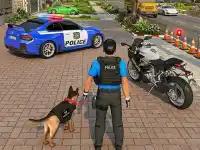
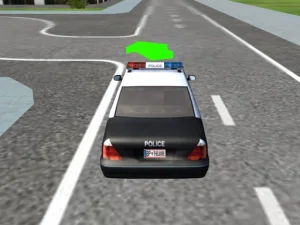
Police games can put you on a highway during a pursuit, give you a truck loaded with other vehicles or present a puzzle about where to place officers. Look at how the game describes its job. A title about patrol work might reward a well-chosen route, while a puzzle can make the most useful move one that leaves a space deliberately open for later.
Last Updated:
Watch the road farther ahead than the vehicle you're chasing
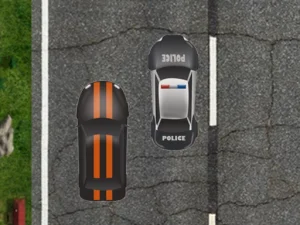
Highway Police Race places a patrol vehicle on busy roads. Keep watching the space between your vehicle and the traffic ahead as you close the distance. Fixating on a target can make you miss a car that occupies the path you need to take. When the road narrows or your intended lane is busy, allow yourself a moment to see how the traffic will move. A small adjustment that leaves more than one open line gives you a better view when something else changes.
Try a first attempt in which you pay attention to one difficulty. Perhaps you steer toward the next vehicle before you've finished passing the current one. Perhaps the view becomes busy because you started the chase before getting a clear line. Use another attempt to arrive in a position that gives you more time to recognize what's happening. A short drive with a clear decision can teach you more than carrying speed farther into an approach you already know is difficult.
Move the cargo as well as the truck
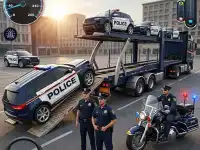
Police Transport Game gives you a car carrier for moving police vehicles through the city. Look at what the route asks of the whole vehicle. The front may clear a turn before the rest of the carrier has room to come through. Use approaches that give you time to see where the back of the truck is going. When you reach a place where you have to stop, think about the direction you need the carrier to face after stopping, as well as the point you need to reach.
Once you have found a comfortable path, try arriving at the same destination consistently. A move that leaves the carrier angled awkwardly may only show its cost when you try to drive away. Use that moment to identify a better stopping point. Give yourself more room earlier if the street doesn't leave space to recover at its end. This is a different kind of driving problem from a pursuit. A small change in where you put the vehicle can matter much more than getting there in a hurry.
Use positions and possible moves in a police puzzle
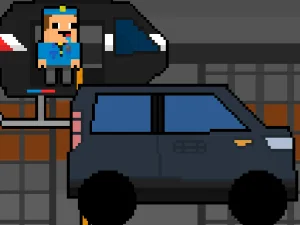
Help Police asks you to outmaneuver a thief with a team of officers. Read the layout as a set of routes before deciding which officer to move. A square that looks close to the thief may leave another exit easier to reach. Think about which options will remain after your move. You may have more success dealing with the usable routes than following the character from wherever it stands right now. If you can describe what your last move removed from the thief's choices, you'll have a better idea of what the next move needs to do.
Use a repeat to check where the plan first left too much room. Did the path open because you moved an officer from a useful position, or did you simply overlook a connection? Take a moment to trace the available space from a different direction. A layout can look quite different when you start from the place you wanted to protect instead of the one occupied by a character.
Choose the job that interests you
Take a pursuit for quick decisions in traffic, a transport run for careful vehicle placement or a strategy puzzle when you want to count up another character's options before acting. On a short visit, aim to understand where the problem begins. Catching sight of an open lane, leaving a carrier in a better place or closing an escape route is a clearer measure of improvement than just moving through the game faster.