Progress Games collects browser games that give you different ways to tell how far you have come. A hotel marks progress in floors. A running course lets you climb farther or turn collectibles into speed boosts. An exploration game offers medals and collections. Decide which sign of progress interests you before choosing a card. The result can be a new place you reach, a task you finish or the ability to repeat an earlier part with more confidence.
Last Updated:
Use a familiar corridor as a reference
The Anomalous Hotel Floor Number 10 asks you to make your way through a hotel by noticing when a corridor looks unusual. Walk through a typical area long enough to remember how its main features are arranged. Note the shape of the hall, a sign or a prominent object. You can compare another pass with those points instead of trying to memorize every inch at once. Read the game's instructions for which direction to move when you see a change.
A wrong choice can send you back. On a fresh visit to the earlier floor, treat that return as a chance to build a stronger reference. Observe the clue you can now recognize and see which related details you tended to ignore. A repeat can be progress even when the floor number is back where you began. Once you can identify a familiar stretch quickly, it becomes much easier to spend your time on the detail that made the previous attempt confusing.
Separate the first climb from the upgrade
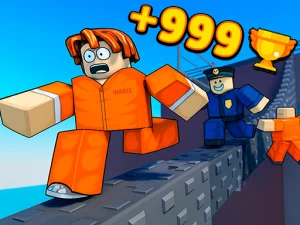
In Brainrots 3D: Save Everyone!, a wave follows the player upward while the course offers collectibles and speed boosts. Use the first stretch to identify where you want to get to before spending time collecting everything you see. A collectible is easier to judge when you know how far it takes you away from the next safe part of the route. Pick ones close to a path you can already follow.
When the game gives you an upgrade decision, check what it changes. An increase in speed may help you gain time and still make a familiar turn feel different. Try it early on a stretch with room to observe the result. Set your next goal at a place you remember from the earlier run. That gives you a visible reference for how the change affects your progress, even if the end of the course is still far away.
Decide whether the outing is about time or discovery
Bumbly Bee has honey to collect and medals to work toward across its levels. One trip can be about finding a route that reaches a little more honey without passing the same area repeatedly. Another can concentrate on an efficient return or a shorter time. Pick one goal at the beginning. A route that suits a thorough look around may use detours that make a timed attempt less predictable.
If a medal or target feels far away, choose a part of a level you can repeat and watch what happens as you enter and leave it. Notice which movement you remembered and which one you had to work out again. After learning that piece, go farther into the level or include one more collectible. You have a repeatable gain regardless of whether the game displays a new award at the end.
Pick a progress marker you can see
Try the hotel if you want to learn details, the running course if you want to improve how far you can climb, or the bee adventure if you want to compare exploration with speed. Start with the current screen and choose a milestone you can recognize. Look back after an attempt and name the action or observation that got you farther. That one thing gives you somewhere to begin on a later visit.