Start with a clear bow duel
Stick Archers Battle is a useful starting point if the arrow trajectory is what interests you. The game by RHM Interactive pits archers against one another and asks you to adapt your shots to changing environments and physics. Its 1 Player, 2 Player and Death-match options give you different ways to approach a compact contest. In the standard match, the first player to five points wins, so understanding the next release matters more than planning a long equipment progression.
The blue player uses W and the red player uses Up Arrow, with on-screen tapping buttons also available. Give yourself a few attempts to observe the bow's sequence. Do not assume another archery game's mouse controls apply here. When two people share a keyboard, agree on the sides first and leave space around the other person's key. A local contest can be enjoyable without an account or an assumed online matchmaking feature.
Understand the difference between related challenges
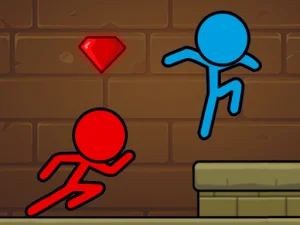
An archery duel asks you to judge distance, height and the path of a projectile. A game connected through ragdoll movement may put more emphasis on reacting to an unstable character or reading a different type of combat. Those experiences can share a playful physical feel while asking for different decisions. Use the cards to find a starting point, then let the selected game's visible objective decide how you play. A related label is a reason to investigate, not a promise of identical rules.
The collection can also show broader action recommendations. Compare those by their actual gameplay rather than assuming every recommendation includes bows. If you want a measured shot-by-shot contest, keep your choice focused on an archer game. If you want unpredictable action, a physics-led encounter may be a better fit. This distinction saves you from looking for an ammunition system, special arrow or movement ability that belongs to an entirely different title.
Learn from the flight of an arrow
During a bow duel, notice whether a miss went high, low, short or beyond the target. Then ask whether the scene remained similar enough for a direct comparison. A small correction is useful after a near miss under comparable conditions; a changed arrangement deserves a fresh estimate. Rapidly alternating between unrelated shots can be entertaining, but it makes it harder to understand why one attempt succeeded. Watch a complete trajectory whenever the match gives you the opportunity.
Try separating practice from the score for a few attempts. Your immediate goal might be to recognise a high miss correctly or to avoid repeating an unsuitable release after the environment changes. Those are practical improvements even before they produce a match win. For a longer explanation of the available bow game, the archery aiming and match guide covers controls, adjustments and choosing a useful practice mode.
Pick a comfortable session
Choose a quick duel when you want a short competitive break, or spend a few matches studying one recurring mistake when you want to improve. Follow the actual game's rules if you change modes, and check the control prompts again on a different device. The word unblocked in a collection name does not override a school, workplace or network policy. Use a permitted connection, select the game whose objective interests you, and let clear observation make the next attempt more purposeful.