Rescue games give you someone to help and a reason to think about what has to happen first. A helicopter game asks you to arrive and help under changing conditions. An ambulance game puts more attention on a route through streets. A pin puzzle can present the entire situation before you make a move. The goal is shared even though your first action is quite different.
Last Updated:
Work toward a place where you can take useful action
Helicopter Rescue Games 3D uses a helicopter as part of reaching the rescue objective. Get the view and direction under control before moving into a crowded section. Look for a clear reference to tell whether you are approaching the intended location. Once the relevant prompt becomes visible, read it before moving more quickly. The location and the action required when you get there are separate pieces of the mission.
When a repeat goes badly, think about how much attention you had left on arrival. You might be making the hardest flying correction when you also have to recognize what the mission wants next. Try preparing your direction earlier on a stretch where you can see the route. A clear approach gives you time to notice the rescue cues and choose an action while you still know how to return to usable space.
Choose a route for the part of the job you're doing now
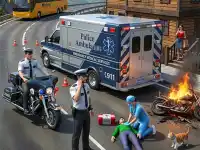
Ambulance Rescue Game presents a rescue using a road vehicle. Look at where the immediate objective is and how the vehicle will arrive there. A promising street may not leave a comfortable angle or enough room at the end of the approach. Give a tight turn more space before moving into it. If direction and pace both demand attention, settle one of them while the scene is still easy to read. Then check what the game expects at the destination.
For a first session, aim to recognize the sequence of the mission. Notice how the display marks the place you need to reach and how it shows when a stage has finished. Once you can follow that information, you can plan a quicker or tidier route. Going faster while losing the objective can make repeated attempts feel unrelated. Familiarity with the signs and instructions gives you a steadier reference, especially if you are going to play another rescue mission later.
Think a move ahead on a puzzle board
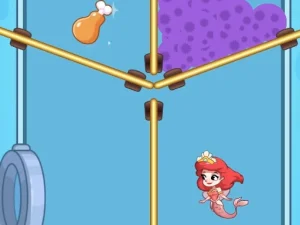
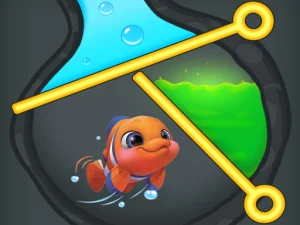
Pull The Pin: Fish Rescue lets you look at the arrangement of the puzzle before setting things in motion. Locate the fish, water and anything in the way. Ask which section becomes connected to which when you remove the pin you're considering. Getting something to move is easy. The interesting part is ensuring it reaches a useful area and that a second change can still help.
If you don't see a full solution, think about what you want the last successful step to accomplish. Maybe there's a route the water needs to use, and something else needs to stay apart from it. Trace that route back to the barrier that currently prevents it. Making that observation gives you a way to compare two possible first moves. If a move fails, the board can show you what you understood about the route and what changed farther away than expected.
Choose by how much planning time you want
Pick the puzzle when you want to consider the problem at a glance. Try the ambulance when navigating and stopping at a location seem more interesting than planning a board. Choose the helicopter when you want to manage a view as part of reaching the objective. Start by choosing one stage of the job you can understand from the game's signals. Learn how the current game shows a useful arrival, a good position or a successful separation on the board. The sense of making a difference comes from being able to see that next step clearly.