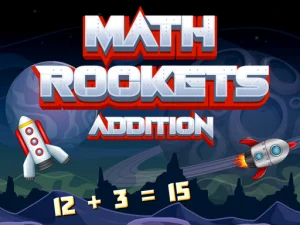
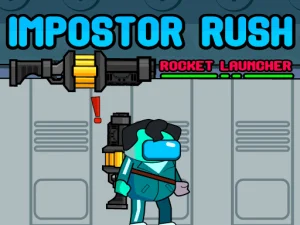
Read the pixel barrier before investing in an upgrade
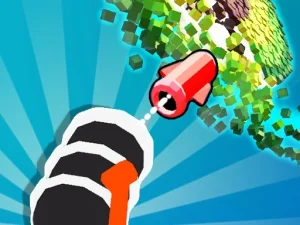
Crushing Rocket puts upgrades and a cannon at the center of a pixel-barrier challenge. On an early round, watch what changes after the first few hits. Notice whether progress is concentrated around the part of the barrier you can easily reach or distributed over a wider area. That view can help you tell which part of a round actually improved when you come back with an upgrade.
Look at the upgrade choices the game currently offers and connect one of those choices to what you saw. For example, if a round makes a little progress and then slows down, observe what remains on the board before spending on a change. A trial round is easier to compare when you keep the rest of your approach similar. Stop after breaking through a section you can identify or after confirming what the upgrade did in practice.
Follow the flight in Rocket Evolution
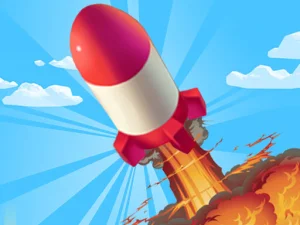
Rocket Evolution: Destroy the Map gives you a rocket to steer after launch. Use the movement controls shown in the game and watch the reaction to your first correction. A long input can take the rocket farther away from the part of the map you were watching. Brief adjustments let you learn how the rocket changes direction and how much time you have to line up for the next visible feature.
Some runs provide bonuses or opportunities to change the rocket's size or speed. Give a changed rocket a moment in open space before relying on an input you know from a previous version of the run. Watch the same kind of turn before and after the upgrade so you can tell what feels different. On a short break, learning one flight path or seeing the effect of one change gives you a satisfying place to stop.
Collect energy without losing a clear path
Rocket Charge Run turns the theme into a running course. Batteries are part of the route, with obstacles such as cutting machines and robots in the way. Look beyond a tempting pickup and see where the character will be when the next obstacle arrives. A battery close to your current line is easy to collect. One on the other side of a hazard may require a change you need to begin much earlier.
Use the opening stretch to learn the jump, roll and dash controls that the game displays. Try an input with a little space to watch how long the movement lasts. If an attempt ends at a particular obstacle, look for the sign that you are about to reach it, such as a change in the visible route. Start your decision at that cue next time. The next battery is much easier to judge when you know how the move will end.
Draw a route instead of following one
Noob Rocket Punch is a different kind of challenge. You draw the trajectory of a punch on screen, then see how the line translates into a movement in the game. Try a short, clear path first so you can judge what happened. If a turn in the drawing made the result hard to follow, use fewer turns and see what the glove does. Once you can get it to a nearby goal reliably, work on the later part of the path.
Choose a cannon or flight game when you want to see how an upgrade changes a round. Choose the running game when you want to read moving obstacles and collectibles at a steady pace. Pick the drawing game when the interesting decision is the shape of one move.