Choose an installment before following instructions
Snail Bob 6: Winter Story asks you to keep Bob safe by working out how the level's mechanisms fit together. The exact embedded game identifies the winter installment, includes three stars to find in a level and advertises minigames. Those features belong to this version; do not assume that another Snail Bob card has the same setting, puzzle arrangement or optional activities.
The verified controls use the mouse for interaction. Space stops Bob or lets him run again, 1 turns him around, and 2 changes his speed. These bindings are also present in the supplied game's source. Read the active tutorial and button labels as you play so that you know which action you are requesting before Bob reaches a hazard.
Observe the room while Bob is stopped
Stopping Bob gives you time to inspect his immediate route, but it should not be confused with pausing every object in the room. Watch what continues to move. A mechanism may change the situation while Bob stays still, so think about both the path and the timing of the action that will let him continue.
Begin with the next obstacle rather than trying every switch at once. Identify where Bob is standing, what blocks the route and which visible control might affect that problem. Operate one mechanism and observe the result before adding another input. This makes the level easier to understand because you can connect a specific action with the change it produces.
Work out the order of actions
Many useful puzzle questions concern dependencies: does something need to be moved before Bob proceeds, or should he wait until a safe opening appears? The answer comes from observing the actual room. A general guide should not replace those observations with a fabricated numbered walkthrough or claim that a switch has an effect that has not been checked.
Use turning and speed changes for a clear purpose. Turning can change which direction Bob approaches from, while changing speed affects how he travels through a situation. Neither action automatically solves the room. If you alter direction, speed and several mechanisms together, the resulting attempt may tell you less than a simpler test with one deliberate difference.
Separate the exit from optional stars
The winter game's description includes three stars in a level. First understand how Bob can reach safety, then inspect whether collecting a star calls for a different sequence or a more careful observation. This separates learning the main route from pursuing an optional objective. It can also help you recognize which part of an attempt actually needs improvement.
Minigames are another reason to read the current instructions. An optional activity can ask for something different from directing Bob through a room. Do not assume that the same sequence of keys will explain every activity simply because it appears within the same game. Look at the objective presented for that particular screen before beginning.
Browse the collection with realistic expectations
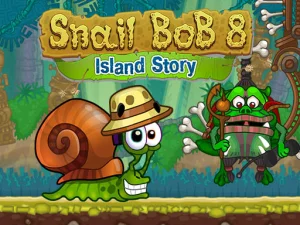
Snail Bob and Snail Bob 8 are separate entries visible on this page. Their names establish which installment or listing you are selecting, but they do not confirm that their puzzles are identical to Winter Story. Likewise, unrelated cards in a broad collection should not be described as Snail Bob sequels merely because they appear nearby. Check the destination title and actual instructions.
For a fuller explanation of the verified winter controls and puzzle-reading method, use the Snail Bob 6 Winter Story guide. Take one unresolved question into each attempt and notice what changed after your input. The unblocked label does not guarantee access on every school or workplace connection; use the game where permitted and rely on its current interface for availability. Careful observation is a more dependable starting point than guessing features from a collection name.